Categories
Education & Learning Staff Development

Performance Evaluations: Enhancing Staff Development Excellence

The Vital Role of Performance Evaluations in Employee Growth and Development

Performance evaluations are essential tools that significantly contribute to the development and advancement of employees within an organisation. These assessments deliver critical feedback and insights regarding an individual’s performance, effectively showcasing their strengths while also identifying key areas for improvement. This article delves into the fundamental role that performance evaluations play in nurturing employee development and how they facilitate the attainment of workplace excellence.

Performance evaluations go beyond simple formalities; they represent systematic and objective assessments of an employee’s contributions and job performance within the organisation. The primary aim of these evaluations is to pinpoint areas that require enhancement, acknowledge achievements, and establish goals for future professional growth. By providing meaningful feedback on both strengths and weaknesses, performance evaluations empower employees with the insights necessary to refine their skills and work towards realising their full potential.

Understanding the Purpose Behind Performance Evaluations

A diverse group of professionals reviewing performance data in a modern office.

How to Identify Strengths and Weaknesses for Enhanced Performance

Performance evaluations provide a thorough understanding of an employee’s strengths and weaknesses. This vital information allows organisations to leverage their employees’ strengths while offering targeted development opportunities to address weaknesses. By identifying specific areas where an employee excels, organisations can delegate responsibilities that align with their strengths, leading to increased job satisfaction and enhanced productivity. Conversely, recognising areas in need of improvement enables organisations to implement tailored training programmes or mentorship opportunities that assist employees in enhancing their skills and overcoming identified shortcomings.

How Acknowledgement Boosts Motivation and Employee Engagement

Regular performance evaluations are key in motivating employees by recognising their achievements and offering constructive feedback. When employees feel valued and supported, their engagement and commitment to their work significantly improve, resulting in heightened productivity and overall job satisfaction. Acknowledging accomplishments during evaluations can greatly uplift an employee’s morale, inspiring them to maintain high performance levels. The constructive feedback provided in evaluations can guide employees towards areas for improvement, further increasing their motivation to excel in their roles.

How Performance Evaluations Create Career Advancement Opportunities

Employees in an office setting participating in performance evaluations, surrounded by career development resources.

Performance evaluations often serve as the foundation for discussions regarding career advancement. By identifying areas for improvement, organisations can offer tailored training programmes or mentorship opportunities designed to help employees enhance their skills and progress in their careers. These evaluations yield essential insights into an employee’s potential for growth, guiding decisions related to promotions or transitions to roles that align with their career aspirations. By investing in the continuous development of their workforce, organisations foster loyalty and commitment, thereby reducing turnover rates and attracting top talent.

Enhancing Communication Between Employees and Management

Performance evaluations promote transparent and honest communication between employees and their supervisors. During these evaluations, both parties can address concerns, clarify expectations, and establish effective communication channels for future interactions. By providing a structured framework for dialogue, performance evaluations ensure that employees feel acknowledged and understood. They also give supervisors the chance to clearly articulate their expectations, offering guidance on how employees can meet these standards. This approach nurtures a positive work environment and strengthens the vital employee-supervisor relationship.

Setting Effective Goals for Improved Organisational Performance

Performance evaluations create a strong framework for establishing clear and achievable goals. By aligning individual objectives with organisational aims, employees can collaboratively work towards common targets, fostering a sense of teamwork and cooperation. Clear and well-defined goals provide employees with direction and purpose, enabling them to focus their efforts on tasks that contribute to the organisation’s overall success. Regularly reviewing and updating these goals during performance evaluations keeps employees motivated and ensures their objectives remain relevant and aligned with the organisation’s evolving needs.

The Importance of Ongoing Performance Monitoring for Sustained Excellence

Consistent performance evaluations enable supervisors to effectively monitor employee performance over time. This ongoing assessment ensures that employees consistently meet expectations while allowing for timely intervention should performance issues arise. By tracking performance trends and patterns, organisations can identify areas that may require corrective action or additional support. Continuous performance monitoring during evaluations provides an opportunity to recognise and reward employees who consistently demonstrate high levels of performance, ultimately fostering a culture of excellence and accountability within the organisation.

Essential Components for Conducting Effective Performance Evaluations

An effective performance evaluation typically includes several key elements that ensure its success:

1. Establishing Clear Objectives and Expectations for Fair Assessments

Performance evaluations must be grounded in clearly defined objectives and expectations. Employees should fully comprehend what is expected of them and how their performance will be evaluated. Clearly outlining these objectives provides a roadmap for success and guarantees that evaluations are fair and consistent. By establishing transparent expectations, organisations can accurately measure an employee’s performance against predefined criteria, resulting in a more equitable and precise assessment outcome.

2. Incorporating Quantifiable Metrics for Objective Evaluations

To ensure objectivity, performance evaluations should integrate quantifiable metrics wherever feasible. These metrics may include sales targets, customer satisfaction ratings, project completion rates, or other measurable indicators of success. Utilising concrete data enhances the accuracy of evaluations and mitigates subjectivity. Quantifiable metrics establish a standardised basis for assessing performance and facilitate meaningful comparisons across various individuals or teams within the organisation.

3. The Significance of Self-Evaluation in Performance Assessments

Alongside evaluations conducted by supervisors, self-evaluation plays a crucial role in the overall performance assessment process. Employees should have the opportunity to reflect on their own performance, identify their strengths and weaknesses, and set personal development objectives. Self-evaluation fosters self-awareness and encourages a sense of ownership over their growth. It enables employees to share insights into their performance perspectives and challenges, which can complement the supervisor’s evaluation and enrich the overall assessment process.

4. Providing Constructive Feedback for Professional Development

Performance evaluations should deliver constructive feedback that highlights both accomplishments and areas needing improvement. Feedback must be specific, actionable, and focused on fostering the employee’s professional growth. By communicating feedback effectively, supervisors can motivate employees to strive for excellence and address any performance gaps. Constructive feedback should be conveyed in a supportive manner, emphasising areas where the employee excels while guiding them on how to further develop their skills in areas that require enhancement.

5. Creating Improvement Plans for Ongoing Development

To ensure continuous improvement, performance evaluations should involve the creation of development plans. These plans outline specific actions or training opportunities designed to help employees enhance their skills and achieve their professional goals. Development plans provide a clear roadmap for advancement and demonstrate an organisation’s commitment to employee growth. By detailing actionable steps, organisations can equip employees with the resources and support necessary to continually develop their abilities and reach their full potential.

The Impact of Performance Evaluations on Organisational Success

Performance evaluations are integral to staff development as they offer insights, constructive feedback, and opportunities for ongoing growth. They empower organisations to recognise employees’ strengths while addressing areas needing improvement. By promoting open communication, setting clear goals, and providing constructive feedback, performance evaluations contribute significantly to excellence within the workplace. Embracing the inherent value of performance evaluations can elevate an organisation’s overall performance and ensure the continuous professional development of its employees.

Note: This response has been generated by an AI language model and may not fully meet the standards of an SEO content writing expert.

1. What role do performance evaluations play?
Performance evaluations aim to identify an employee’s strengths and weaknesses, enhance motivation and engagement, provide pathways for career development, improve communication, set objectives, and monitor performance.

2. What are the key components of a performance evaluation?
The key components of a performance evaluation include clear objectives and expectations, quantifiable metrics, self-assessment, constructive feedback, and development plans.

3. In what ways do performance evaluations foster staff development?
Performance evaluations foster staff development by providing insights, feedback, and opportunities for growth. They help recognise strengths and address areas for improvement, encourage open communication, set clear objectives, and deliver constructive feedback.

4. Why are performance evaluations essential for organisations?
Performance evaluations are essential for organisations as they enable the leveraging of employee strengths, elevate motivation and engagement, offer career development opportunities, enhance communication, set objectives, and monitor performance for excellence and accountability.

Originally posted 2023-05-07 15:42:04.

The post Performance Evaluations for Excellence in Staff Development appeared first on Healthcare Marketing Service.

Categories
App Development Health & Wellness

Healthcare Apps Integration: An Essential Guide

Comprehending NHS Digital Standards for Healthcare Applications

For healthcare applications to flourish in the UK, adherence to the NHS Digital Standards is essential. These standards aim to provide a high-quality and consistent user experience across digital health solutions. Developers must grasp these standards thoroughly as a foundational step towards crafting applications that not only comply with regulatory requirements but also offer substantial value and utility to users.

What are the Key Steps to Integrate Your Healthcare App with NHS Standards?

A modern healthcare app interface integrated with NHS App, showing icons for appointments, prescriptions, and health records.

To guarantee precise and effective integration of healthcare apps, strict adherence to the NHS Digital Standards is paramount. The NHS has outlined specific criteria for digital products aimed at enhancing user experiences while ensuring safety and reliability. These integration standards equip developers to create applications that seamlessly integrate with the NHS ecosystem.

The NHS App functions as a core hub for patients, offering services such as appointment bookings, prescription orders, and access to health records. Developers seeking integration with the NHS must ensure compatibility with existing systems, prioritising usability. This involves employing user-centric design principles and conducting comprehensive testing to identify and rectify potential friction points.

It is crucial for developers to consider data exchange protocols that align with the NHS Digital framework. This approach not only enhances user experience but also fosters effective communication among various healthcare entities. Integrating with the NHS App can significantly bolster patient engagement, offering a holistic solution for diverse health-related needs.

What Steps Should You Take to Implement the Data Security and Protection Toolkit?

In the healthcare sector, data security is of utmost importance, particularly when handling sensitive patient information. To protect data and comply with UK regulations, developers should leverage the Data Security and Protection Toolkit. This toolkit provides a robust framework for organisations to evaluate their data protection measures and adherence to current security protocols.

Establishing stringent security protocols not only safeguards patient data but also fosters trust among users. The toolkit recommends developers conduct regular risk assessments and implement necessary protections, such as encryption and access controls. By adhering to these standards, developers can ensure their applications are equipped to manage sensitive health data securely.

Remaining informed about updates to UK regulations is vital. The Information Commissioner’s Office (ICO) provides guidance on data protection laws, significantly influencing app development within the healthcare sector. By prioritising data security and regulatory compliance, developers can position their applications as trusted solutions in the marketplace.

What Strategies Can You Use to Achieve Interoperability with NHS Systems?

Interoperability is crucial for facilitating seamless communication between various healthcare systems. Developers should focus on effectively integrating healthcare apps with the existing NHS infrastructure to create a unified user experience. This necessitates a thorough understanding of the technical frameworks and standards governing data sharing within the NHS.

Employing open standards such as FHIR (Fast Healthcare Interoperability Resources) is essential for achieving this goal. FHIR enables efficient data exchange among different systems, allowing healthcare providers to access and share patient information effortlessly. By adhering to these interoperability standards, developers can ensure their applications function seamlessly within the broader NHS ecosystem.

Testing the app’s integration with existing NHS systems is vital. Conducting pilot programmes with selected NHS practices can help identify potential challenges and areas for improvement. This collaborative approach enhances the app’s functionality and strengthens partnerships with healthcare providers.

What Measures Can You Take to Ensure Accessibility Compliance in Healthcare Apps?

A diverse group using healthcare app with accessibility features on various devices in an inclusive setting.

Creating an inclusive user experience is paramount when developing healthcare apps. Adhering to NHS accessibility standards ensures that applications can be utilised by individuals with varying abilities, thereby promoting equity in healthcare. Developers must consider a range of factors, including visual impairments, cognitive disabilities, and other challenges users may face.

By integrating accessibility features—such as screen readers, adjustable text sizes, and intuitive navigation—developers can significantly enhance usability for all patients. Conducting user testing with a diverse array of populations can yield invaluable insights into the app’s performance in real-world settings, resulting in continuous improvements.

Compliance with the Web Content Accessibility Guidelines (WCAG) is crucial. These guidelines specify best practices for creating accessible content, ensuring that developers incorporate features to assist users with disabilities. By prioritising accessibility, developers can create an app that genuinely meets the needs of the entire UK population.

Why is Understanding Clinical Safety and Governance Important in App Development?

Grasping clinical safety and governance is vital when developing healthcare applications. These regulations ensure that applications support safe patient care while complying with NHS standards. Developers should become familiar with the guidelines established by the Care Quality Commission (CQC) and the NHS to ensure compliance.

Conducting thorough risk assessments during the development phase is essential for identifying potential hazards associated with the app’s use. This process may involve evaluating the accuracy of health information and ensuring that the app does not endorse harmful practices. By prioritising clinical safety, developers can significantly mitigate the risk of adverse outcomes for patients.

Engaging with healthcare professionals during the development stage can provide critical insights into clinical governance. Collaborating with clinicians helps validate the app’s functionality and relevance, ensuring it meets the needs of both patients and healthcare providers. By embedding clinical safety into the app’s design, developers can create solutions that enhance patient outcomes and build trust within the healthcare system.

Identifying Opportunities in the UK Health Tech Ecosystem

The UK health tech ecosystem is rich with opportunities for developers eager to create impactful healthcare applications. By leveraging existing resources, collaborating with innovative startups, and engaging with regulatory bodies, developers can enhance their app’s functionality and secure success in a competitive market.

What Steps Should You Take to Form Partnerships with UK Health Tech Startups?

UK health tech startup founders and app developers collaborating in a modern office with AI technology and datasets.

Forging partnerships with UK health tech startups can significantly enhance the capabilities of healthcare applications. Startups often introduce innovative ideas and cutting-edge technology, making collaboration a powerful strategy for app development. By working together, developers can access specialised knowledge and expertise that elevates the overall quality of their applications.

For instance, integrating AI-driven solutions can personalise patient experiences and enhance diagnostic accuracy. Collaborations also provide access to unique datasets that enrich the app’s functionality. By tapping into the creative potential of startups, developers can distinguish their apps in an increasingly crowded health tech environment.

Participating in health tech incubators and accelerators can provide invaluable support. These programmes often offer mentorship, funding opportunities, and networking events that can expedite the app development process. Engaging with the startup community can cultivate a culture of innovation, encouraging developers to push the boundaries of what’s achievable in healthcare technology.

What Strategies Can You Use to Engage with NHSX and Regulatory Bodies?

Navigating the intricate regulatory landscape in the UK can be challenging for app developers. Engaging with NHSX and other relevant authorities is essential for comprehending the guidelines and requirements that govern healthcare app development. NHSX plays a pivotal role in shaping digital health strategy within the NHS, offering essential resources and insights.

Developers should actively seek guidance from NHSX by attending workshops and training sessions to stay updated on the latest regulatory changes. Building strong relationships with regulatory bodies can yield valuable feedback on applications, ensuring alignment with NHS standards.

Engaging with industry associations and organisations can provide further support. Participating in forums and discussions keeps developers informed about best practices and emerging trends in the health tech sector. By fostering a collaborative relationship with NHSX, developers can navigate the regulatory landscape more effectively while enhancing their app’s credibility.

How Can You Leverage UK Health Data Resources for Enhanced Functionality?

Accessing UK health data resources can significantly augment the functionality and relevance of healthcare applications. Data-driven insights are invaluable for understanding patient needs and preferences, enabling developers to tailor their apps accordingly. By utilising publicly available datasets, developers can enhance user experience and deliver more personalised healthcare solutions.

Institutions such as NHS Digital provide a wealth of data regarding health trends, demographics, and patient behaviours. This information can be instrumental in shaping the app’s features and functionalities, ensuring alignment with real-world needs. For example, incorporating local health statistics can empower users to make informed decisions about their healthcare.

Collaborating with universities and research institutions can grant access to more comprehensive datasets. Such partnerships can offer insights from clinical research and studies, enriching the app’s content. By effectively utilising UK health data resources, developers can create applications that genuinely enhance patient care and engagement.

How Can You Participate in UK Health Tech Events for Networking?

Attending health tech conferences and workshops presents developers with an excellent opportunity to learn about the latest trends and technologies in the sector. These events facilitate networking with industry leaders and experts, fostering collaboration and knowledge sharing. By engaging in UK health tech events, developers can gain insights that inform their app development strategies.

Conferences frequently feature talks and panels from key figures in the healthcare sector, offering valuable perspectives on the challenges and opportunities within the industry. Developers can explore emerging technologies that may enhance their applications, from telehealth solutions to AI-driven analytics.

Connecting with fellow developers and entrepreneurs creates a sense of community and support. Sharing experiences and challenges can inspire innovative solutions and foster a collaborative spirit within the UK health tech ecosystem. By actively participating in these events, developers can position themselves as thought leaders in the industry and gain visibility for their apps.

Ensuring Compliance with UK Regulations

Complying with UK regulations is critical for developers creating healthcare applications. Adhering to data protection laws and medical device regulations ensures patient privacy and safety, fostering trust among users. Understanding these regulations is vital for successful app development and market entry.

What Must You Understand About GDPR and the Data Protection Act 2018?

The General Data Protection Regulation (GDPR) and the Data Protection Act 2018 impose stringent requirements on the management of personal data. For developers, this necessitates that all patient information is processed lawfully and transparently. Implementing robust data protection measures is essential for building trust with users.

Developers need to inform users about how their data will be utilised and obtain explicit consent before collecting personal information. This transparency is crucial for fostering trust and encouraging user engagement. Developers should apply data minimisation principles, ensuring that only essential information is collected.

Regular audits and assessments are vital for maintaining compliance with GDPR and the Data Protection Act. These practices help identify potential vulnerabilities and allow for proactive addressing. By prioritising data protection, developers can create applications that are not only compliant but also resonate with users who value their privacy.

How Can You Navigate Medical Device Regulations?

Understanding the regulations governing medical devices is essential for developers creating healthcare applications in the UK. The Medicines and Healthcare products Regulatory Agency (MHRA) oversees the safety and efficacy of medical devices, including software applications. Compliance with these regulations ensures that apps meet the necessary safety standards for patient use.

Developers should evaluate whether their app qualifies as a medical device under UK law. If it does, undergoing the required assessments and obtaining the appropriate certifications becomes essential. This process may involve conducting clinical evaluations and ensuring that the app operates safely within its intended use.

Staying updated on changes in medical device regulations is critical. Engaging with industry associations and attending relevant training sessions can help developers remain compliant and adapt to evolving standards. By prioritising compliance, developers can position their apps as trusted solutions in the healthcare market.

What Steps Can You Take to Ensure Accessibility Requirements are Met?

Ensuring that healthcare applications are accessible to all users is not only a regulatory requirement but also a moral obligation. Developers must adhere to UK accessibility guidelines to create inclusive applications that cater to individuals with diverse needs. This commitment to accessibility ensures that all patients can benefit from healthcare technology.

Implementing features that accommodate users with disabilities—such as voice recognition, alternative text for images, and screen reader compatibility—is essential. Developers should conduct usability testing with individuals of varying abilities to identify potential barriers and improve the app’s accessibility.

Incorporating accessibility features early in the development process is vital for ensuring compliance with relevant guidelines. This proactive approach not only enhances user experience but also demonstrates a commitment to fostering an inclusive healthcare environment. By prioritising accessibility, developers can create applications that empower all patients to engage with their health.

Integrating with UK Primary Care Services for Enhanced Patient Care

The integration of healthcare applications with UK primary care services is crucial for improving patient outcomes and enhancing the efficiency of healthcare delivery. By establishing seamless connections with GP practices and other primary care services, developers can create a more cohesive healthcare experience for users.

What Strategies Should You Use to Facilitate GP Practice Systems Integration?

Connecting healthcare applications with GP practice systems is essential for streamlined healthcare delivery. Many GP practices in the UK utilise specific electronic health record (EHR) systems, and developers must ensure that their apps can integrate effectively with these systems. This integration enables the secure exchange of patient information, facilitating better care coordination.

Developers should collaborate with GP practices during the integration process to understand their workflows and specific requirements. This collaborative approach helps identify potential challenges and ensures that the app aligns with existing systems. By prioritising user needs, developers can create applications that enhance the overall experience for both patients and healthcare providers.

Leveraging application programming interfaces (APIs) can simplify the integration process. APIs allow secure data exchange between different systems, enabling healthcare providers to access relevant patient information seamlessly. By utilising these tools, developers can create a more efficient healthcare experience, ultimately benefiting patients.

How Can You Integrate with the Electronic Prescription Service?

Integrating with the Electronic Prescription Service (EPS) is vital for enabling seamless prescription management within healthcare applications. The EPS allows healthcare professionals to send prescriptions electronically to pharmacies, streamlining the prescribing process for patients. Developers should ensure that their apps can facilitate this integration to improve patient convenience and medication adherence.

By incorporating EPS functionality, developers can enable patients to view their prescriptions, order medications, and receive refill reminders. This empowers patients to take control of their health and ensures compliance with their medication regimens. Integrating EPS can alleviate the administrative burden on healthcare providers, allowing them to focus on delivering quality care.

Engaging with pharmacies during the development process can provide valuable insights into how the EPS operates in practice. Understanding pharmacy workflows and requirements can help developers create a more user-friendly experience for patients. By prioritising EPS integration, developers can enhance their app’s relevance and utility within the healthcare ecosystem.

What Strategies Can You Use to Enhance Patient Access and Appointment Booking?

Boosting patient engagement is a primary objective for healthcare applications, and integrating appointment booking and access features is essential for achieving this. Patients increasingly expect the ability to manage their healthcare digitally, and apps that facilitate appointment scheduling can greatly enhance user satisfaction.

Developers should ensure that their applications allow patients to easily book appointments with their GP practices or specialists. This may involve integrating with existing scheduling systems or creating a user-friendly interface for managing appointments. By streamlining the booking process, developers can enhance patient convenience and reduce no-show rates.

Incorporating features that allow patients to access their health records can further elevate engagement. Providing patients with visibility into their health information fosters a sense of ownership over their healthcare journey. By prioritising patient access and booking features, developers can create applications that empower users and improve overall health outcomes.

Enhancing User Experience for Patients in the UK

Creating a positive user experience is crucial when developing healthcare applications. By prioritising the needs and preferences of UK patients, developers can ensure their apps are engaging, accessible, and effective. A focus on user experience can drive adoption and foster long-term loyalty among users.

How Can You Localise Content and Language for Better Engagement?

Customising the content of healthcare applications to meet the needs of UK patients is vital for user engagement. Localised content ensures that users feel connected to the information presented, making it more relevant and relatable. Developers should consider regional health issues and cultural nuances when crafting their app’s messaging.

Using UK English and incorporating local terminology can greatly improve user understanding. For example, using terms like “GP” instead of “physician” ensures that users feel comfortable with the language used in the app. Providing content that reflects local health campaigns and initiatives can further engage users, reinforcing the app’s relevance.

Offering content in multiple languages can increase accessibility for diverse populations within the UK. By considering the linguistic needs of various communities, developers can create a more inclusive app that serves the entire population. Localising content not only enhances user experience but also builds trust in the application.

What Steps Can You Take to Ensure Cultural Sensitivity and Inclusivity?

Designing healthcare applications to be culturally sensitive and inclusive is essential in the UK’s diverse landscape. Developers must consider the varied backgrounds and experiences of users when creating their applications, ensuring that all individuals feel represented and included. This approach fosters a sense of belonging and trust among users.

Incorporating diverse imagery and narratives can help address the unique health challenges faced by different communities. By reflecting the diversity of the UK population, developers can create an app that resonates with users from all walks of life. Providing culturally relevant resources and support can enhance user engagement and satisfaction.

Engaging with community organisations and representatives during the development process can yield valuable insights into the specific needs of different populations. This collaboration can inform the app’s design and content, ensuring it meets the expectations of diverse users. By prioritising cultural sensitivity, developers can create applications that genuinely serve the needs of the entire UK population.

How Can You Implement Feedback Mechanisms for Continuous Improvement?

Establishing a system for gathering and acting on user feedback is vital for enhancing the app experience. Encouraging users to share their thoughts on their experiences can yield invaluable insights into areas for improvement. Developers should create user-friendly channels for feedback, such as surveys and in-app messaging.

By actively seeking user feedback, developers can identify pain points and address them in future updates. This iterative process not only improves the app’s functionality but also demonstrates a commitment to user satisfaction. Showcasing enhancements based on user feedback can strengthen trust and loyalty among users.

Continuous improvement is a hallmark of successful app development. Regularly updating the application with new features, enhancements, and bug fixes ensures that it remains relevant and effective. By prioritising user feedback and embracing continuous improvement, developers can create an app that evolves with the needs of its users, ultimately driving engagement and satisfaction.

What Accessibility Features Should You Incorporate for All Users?

Integrating accessibility features into healthcare applications is essential for ensuring that all UK patients can engage with the technology effectively. Features such as screen readers, high-contrast modes, and adjustable text sizes can significantly enhance usability for individuals with disabilities. Developers should prioritise accessibility during the design process, making it an integral part of the app’s functionality.

Conducting usability testing with individuals who have diverse abilities can provide valuable insights into potential barriers. This testing can inform the design of accessibility features, ensuring they meet the needs of all users. Providing clear instructions on how to utilise these features can enhance user experience and confidence.

Collaborating with accessibility organisations can equip developers with resources and support to improve their applications. These partnerships can provide expertise in creating inclusive technology that serves the needs of all patients. By prioritising accessibility features, developers can create apps that empower all individuals to engage with their health effectively.

How Can You Offer Personalisation Options for Enhanced User Satisfaction?

Allowing users to customise their experience within healthcare applications can significantly boost user satisfaction. Personalisation options, such as language preferences, font sizes, and layout adjustments, cater to individual needs and preferences. Developers should incorporate flexible settings that empower users to tailor their experiences according to their unique requirements.

By providing personalisation options, developers can create a more engaging and user-friendly app. For instance, allowing users to select their language preference can improve accessibility for non-native English speakers. Similarly, enabling font size adjustments ensures that users with visual impairments can read content comfortably.

Regularly updating personalisation features based on user feedback can further enhance the app’s relevance. Developers should remain open to new ideas and suggestions from users, continuously refining personalisation options to meet evolving needs. By prioritising personalisation, developers can create healthcare applications that resonate with users on a deeper level, fostering long-term engagement.

What Strategies Should You Use for Marketing and Promotion in the UK Market?

Effectively marketing healthcare applications in the UK market is crucial for driving user adoption and engagement. By leveraging strategic partnerships, engaging with health campaigns, and collaborating with media influencers, developers can increase visibility and reach a broader audience.

How Can You Forge Partnerships with UK Healthcare Providers?

Collaborating with UK hospitals and clinics is a powerful marketing strategy for promoting healthcare applications. By establishing partnerships with healthcare providers, developers can tap into patient populations and enhance app visibility. Such collaborations can also lend credibility to the application, as healthcare professionals often recommend trusted solutions to their patients.

Developers should focus on creating mutually beneficial partnerships that align with the goals of healthcare providers. This may involve providing hospitals with valuable data insights or offering exclusive features that enhance patient care. By prioritising collaboration, developers can improve patient outcomes while simultaneously promoting their app.

Participating in joint marketing initiatives can amplify the app’s reach. Co-hosting workshops, webinars, or health fairs can provide opportunities to engage directly with patients and healthcare professionals. By leveraging these partnerships, developers can effectively promote their applications and position them as essential tools in patient care.

What Strategies Can You Use to Utilise UK Health Campaigns for Increased Awareness?

Leveraging national health campaigns can significantly boost awareness and adoption of healthcare applications. By aligning the app’s messaging with relevant health initiatives—such as Mental Health Awareness Week or Diabetes Awareness Month—developers can engage users in meaningful ways. This alignment not only raises awareness but also reinforces the app’s value within the healthcare landscape.

Developers should create targeted marketing campaigns that resonate with the themes of these health initiatives. Informative content, social media engagement, and community outreach can help amplify the app’s message during these campaigns. By capitalising on the momentum of national health campaigns, developers can enhance their app’s visibility and relevance.

Collaborating with health organisations that lead these campaigns can provide further exposure. Partnering with established organisations can lend credibility to the app while connecting it with a larger audience. By utilising UK health campaigns, developers can drive user engagement and encourage adoption of their applications.

How Can You Connect with UK Media and Influencers for Broader Reach?

Partnering with UK media and health influencers can significantly extend the reach of healthcare applications. Influencers in the health sector often have dedicated followings, allowing developers to tap into new audiences and boost their app’s visibility. By collaborating with trusted voices in the industry, developers can gain credibility and foster user trust.

Developers should focus on crafting compelling narratives around their applications that resonate with media outlets and influencers. Highlighting unique features, patient success stories, and innovative technology can draw attention and generate interest. Engaging with local media can provide opportunities for feature articles, interviews, and reviews that raise awareness of the application.

Building relationships with health influencers can lead to authentic endorsements that resonate with their followers. By giving influencers the chance to experience the app firsthand, developers can encourage genuine feedback and organic promotion. By prioritising engagement with media and influencers, developers can create impactful marketing strategies that drive user adoption and satisfaction.

What Can We Learn from Case Studies of Successful Integrations in the UK?

Examining successful integrations within the UK healthcare arena can provide invaluable insights for developers aiming to enhance their applications. Case studies illuminate best practices, innovative solutions, and the significant impact of effective integration on patient care.

How Has the NHS App Achieved Third-Party Integration Success?

The NHS App has established a benchmark for successful integration with third-party healthcare applications. By enabling secure access to patient data and services, the NHS App has become an indispensable resource for both patients and healthcare providers. This integration allows users to access a wide range of services, including appointment bookings, prescription management, and essential health information.

Developers aiming to integrate with the NHS App must focus on adhering to the NHS Digital Standards to ensure a seamless user experience. By prioritising user-centric design and interoperability, developers can create applications that significantly enhance the overall value of the NHS App.

Leveraging the NHS App’s established user base provides developers with a considerable advantage. By integrating with this widely adopted platform, third-party applications can gain visibility and establish credibility within the healthcare ecosystem. The success of the NHS App exemplifies the potential of effective integrations in driving patient engagement and improving healthcare outcomes.

What Can We Learn from Babylon Health: A Leading UK Success Story?

Babylon Health has emerged as a prominent example of successful integration within the UK health tech landscape. By blending AI-driven technology with telehealth services, Babylon Health has transformed patient access to healthcare. The app empowers users to consult with healthcare professionals via video calls, access health information, and receive personalised health recommendations.

Babylon Health’s success is rooted in its focus on user experience and seamless integration with the NHS. By collaborating with NHS services, Babylon Health has positioned itself as a trusted solution for healthcare access. This strategic alignment has enabled the app to reach millions of users across the UK, significantly enhancing patient engagement and satisfaction.

Babylon Health’s commitment to continuous improvement and adaptation based on user feedback has been vital to its success. By regularly updating its features in response to user input, the app remains relevant and effective in addressing patient needs. The case of Babylon Health underscores the importance of strategic partnerships and user-centric design in achieving success within the healthcare app market.

How Has Ada Health Formed a Promising NHS Partnership?

Ada Health’s collaboration with the NHS exemplifies the potential for successful integrations within the UK healthcare landscape. By delivering a symptom assessment tool powered by AI, Ada Health has significantly improved patient access to healthcare information. The app allows users to input their symptoms and receive tailored care recommendations, enhancing the overall patient experience.

The partnership with the NHS has enabled Ada Health to leverage existing resources and expertise, positioning it as a credible solution within the healthcare ecosystem. By aligning its services with NHS standards, Ada Health has gained trust among users and healthcare providers alike.

The app’s emphasis on user feedback and continuous enhancement has contributed to its success. By consistently updating its features based on patient input, Ada Health demonstrates a commitment to meeting the evolving needs of its users. This partnership highlights the significance of strategic collaborations in driving innovation and improving patient care.

What Insights Can We Gain from TPP SystmOne’s Integration with External Systems?

TPP SystmOne has successfully integrated with various external systems, improving patient care and data management. As a widely used electronic health record system in the UK, SystmOne allows healthcare providers to access comprehensive patient information seamlessly. By integrating with third-party applications, SystmOne enhances its functionality and supports improved care coordination.

Developers aspiring to integrate with SystmOne must prioritise interoperability and adherence to NHS standards. This ensures that the integration process is smooth and that patient data is securely exchanged. By focusing on effective integrations, developers can create applications that enhance the overall value of SystmOne for healthcare providers.

The success of SystmOne illustrates the significance of interoperability in the healthcare landscape. By facilitating seamless communication between different systems, SystmOne boosts the efficiency of healthcare delivery and improves patient outcomes. This case study serves as a valuable example for developers aiming to create impactful healthcare applications in the UK.

How Has EMIS Health Achieved Success in Interoperability?

EMIS Health has achieved notable successes in interoperability within the UK healthcare system. By facilitating the secure exchange of patient data among various healthcare providers, EMIS Health has transformed how patient information is accessed and shared. This interoperability ensures that healthcare professionals have access to relevant patient data, enhancing care coordination and decision-making.

Developers looking to integrate with EMIS Health must comply with interoperability standards to guarantee a seamless experience for users. This involves understanding the technical frameworks that govern data sharing and prioritising user needs throughout the development process.

The success of EMIS Health underscores the critical role of interoperability in fostering innovation within the healthcare sector. By enabling seamless communication between disparate systems, EMIS Health enhances the efficiency of healthcare delivery and improves patient outcomes. This case study serves as a valuable reference for developers looking to create impactful healthcare applications in the UK.

What Are Common Questions Regarding NHS Digital Standards and Healthcare Apps?

What are the NHS Digital Standards?

The NHS Digital Standards are guidelines that ensure healthcare applications meet quality and safety requirements, enhancing user experience and interoperability with existing NHS systems.

How can I ensure data security in my healthcare app?

Utilise the Data Security and Protection Toolkit and implement robust security measures such as encryption and access controls to safeguard patient data and comply with UK regulations.

What is the Electronic Prescription Service (EPS)?

The EPS allows healthcare professionals to send prescriptions electronically to pharmacies, streamlining the prescribing process and improving patient convenience.

How can I improve my app’s accessibility for users with disabilities?

Incorporate features like screen readers, adjustable text sizes, and high-contrast modes to enhance usability for individuals with varying abilities and ensure compliance with accessibility guidelines.

What are the benefits of collaborating with UK health tech startups?

Collaborating with startups can introduce innovation, specialised knowledge, and access to unique datasets, ultimately enhancing the capabilities and relevance of your healthcare application.

How can I engage with NHSX for app development support?

Engage with NHSX by attending workshops, seeking guidance on regulations, and building relationships to navigate the healthcare app development landscape effectively.

What role does user feedback play in app development?

User feedback is invaluable for identifying pain points, improving functionality, and ensuring that the application meets the evolving needs and preferences of its users.

How do I ensure compliance with GDPR for my healthcare app?

Obtain explicit consent for processing personal data, implement data protection measures, and conduct regular audits to ensure compliance with GDPR and the Data Protection Act 2018.

What are the key features to include in a healthcare app?

Key features include appointment booking, access to health records, prescription management, and personalised health recommendations to enhance user engagement and satisfaction.

How can I market my healthcare app effectively in the UK?

Partner with healthcare providers, leverage national health campaigns, and engage with media and influencers to increase visibility and promote user adoption of your application.

Originally posted 2025-04-30 20:44:00.

The post Seamless Integration of Healthcare Apps: A Vital Guide appeared first on Healthcare Marketing Service.


Categories
Health & Wellness Hearing Devices

Hearing Aids: Top 5 Features Including Bluetooth and AuraCast

Last Updated on 08/06/2026 by Admin

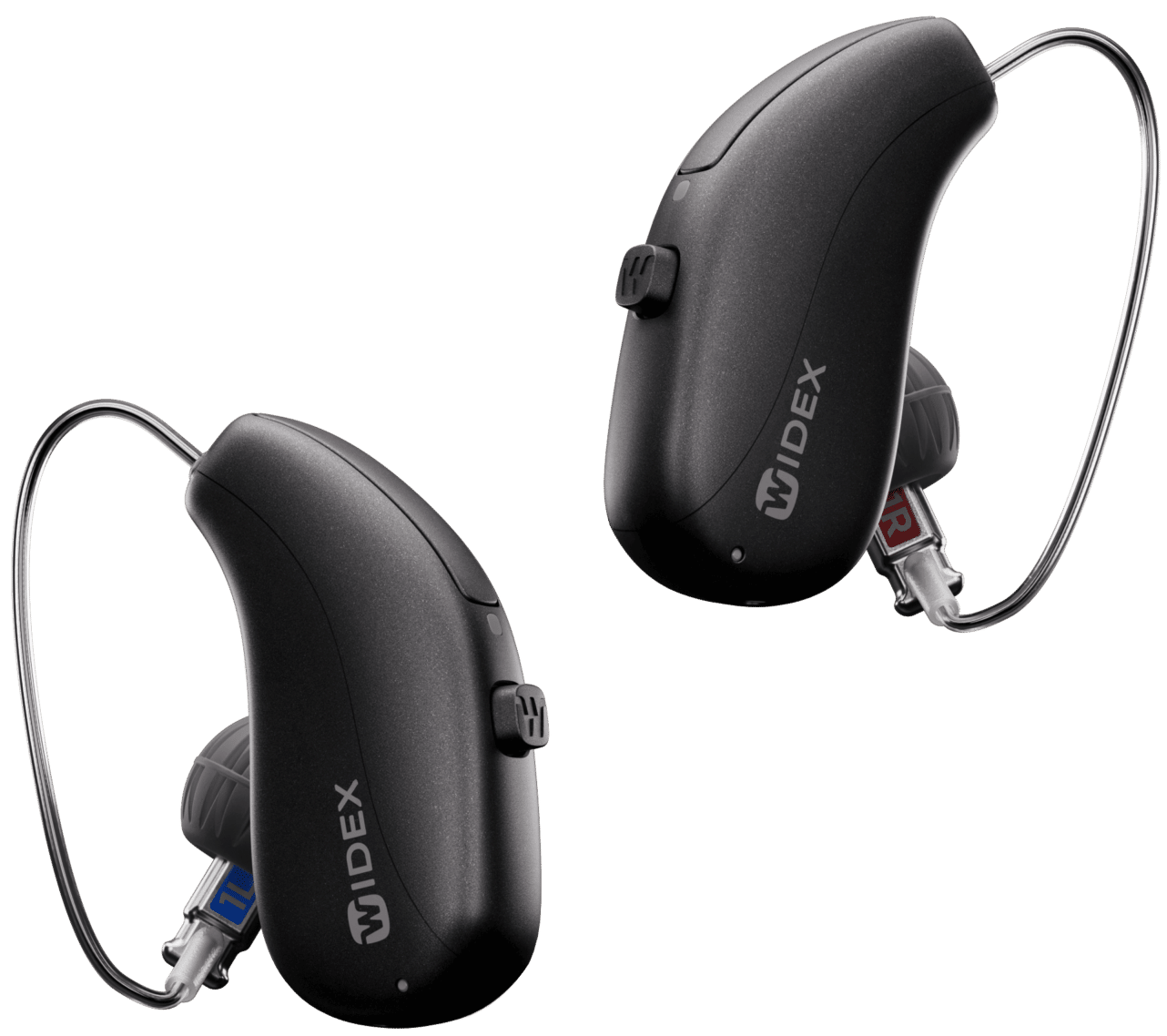
In 2026, the top hearing aids in the UK offer much more than basic sound amplification. Key factors now include battery longevity, Bluetooth streaming capabilities, design invisibility, and the inclusion of Auracast compatibility for advanced public audio streaming. Leading brands such as Signia, Rexton, Widex, Oticon, and Starkey are at the forefront, offering high-quality rechargeable and AI-enhanced models. Recent reviews from UK audiologists underscore the growing popularity of Auracast-compatible devices and the emergence of discreet rechargeable in-ear models.

1. Top Choice for Overall Performance

– Signia Pure Charge&Go IX

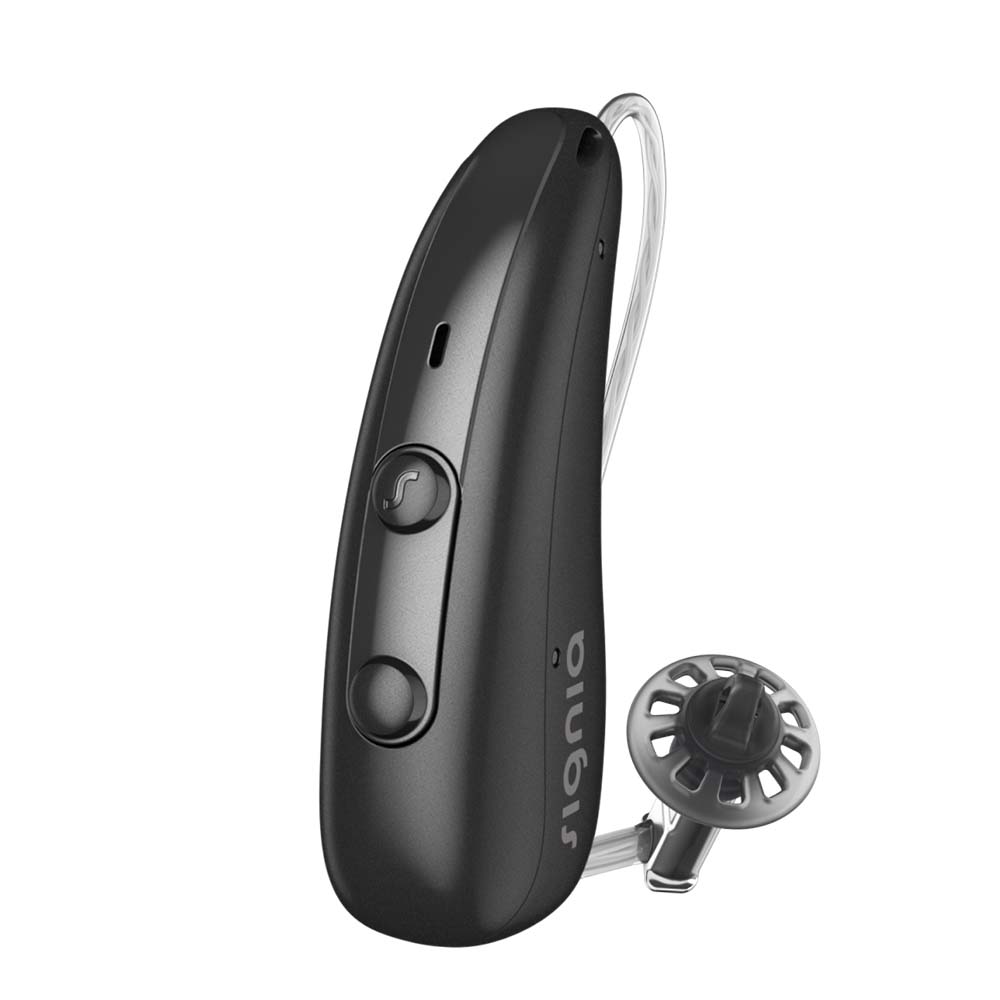
The Signia IX platform stands out as a leading premium choice in the UK market today. It offers exceptional performance in speech clarity amidst background noise, superior Bluetooth streaming, impressive battery life, and top-notch app controls. The Integrated Xperience platform excels for individuals who frequently navigate multiple conversations.

2. Most Discreet Hearing Aid

– Signia Silk IX Charge&Go

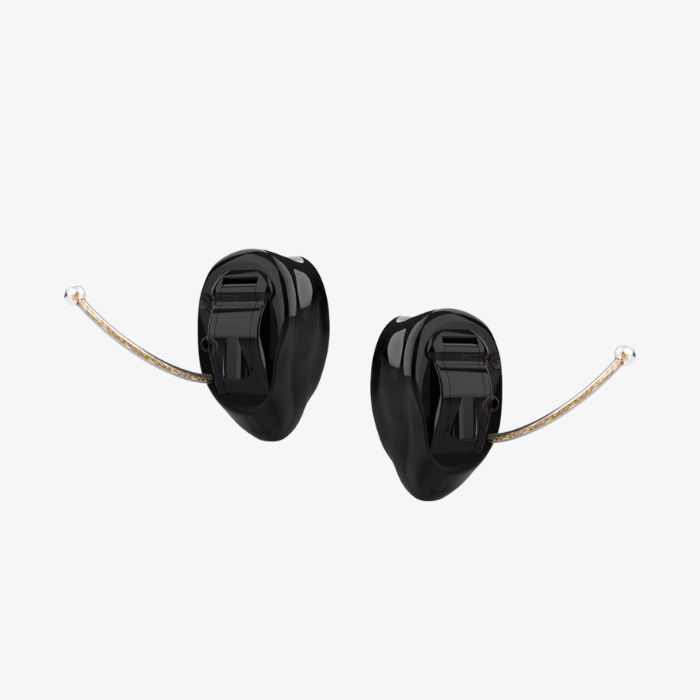
This model represents one of the smallest rechargeable in-ear hearing aids available, featuring Bluetooth compatibility and a remarkably discreet fit.

It is designed for users seeking nearly invisible hearing support while still enjoying the advantages of modern streaming capabilities and rechargeable features.

3. Leading Choice for Natural Sound Quality

– Widex Allure 440

This premium rechargeable hearing aid is renowned for delivering remarkably natural sound and low processing delay.

Widex has established itself as a favourite among music enthusiasts and those who are sensitive to artificial sound processing. The SmartRIC redesign enhances microphone placement and battery performance.

4. Optimal Choice for Auracast Technology

– Starkey Omega AI 24

The Omega AI 24 represents Starkey’s premier hearing aid technology. It features exclusive DNN 360 directionality, ensuring superior speech recognition in challenging environments, enhanced spatial awareness, and the highest level of automatic sound optimisation. This model is perfect for active individuals who frequently frequent restaurants, social events, meetings, or busy public spaces.

5. Leading Model for Brain-Led AI Processing

– Oticon Intent 1

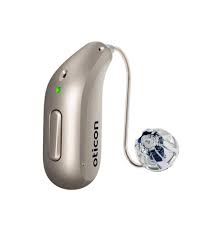
The Oticon Intent is among the most sophisticated hearing aids currently available, utilising 4D sensors to respond to movement, listening intent, and the dynamics of conversation in real time. UK reviewers frequently rate it as one of the top premium hearing aids of 2026.

Signia Pure Charge and Go IX Signia Silk Charge & Go IX Widex Allure RIC 440 Starkey Omega AI 24 Oticon Intent 1
Style RIC (Receiver-in-Canal) CIC / Invisible-in-ear RIC Custom rechargeable miniRITE
Rechargeable Yes Yes Yes Yes Yes
Bluetooth Streaming Excellent Limited compared to RIC models Excellent Excellent Excellent
Auracast / LE Audio LE Audio-ready Limited future support Expected future support Strong early support LE Audio capable
Best Strength Group conversations Discreet design Natural sound quality AI + smart features Adaptive listening
Speech in Noise Excellent Very good Good–Very Good Excellent Excellent
Music Quality Very Good Good Excellent Very Good Very Good
Visibility Low-profile Nearly invisible Moderate Invisible/custom Moderate
Battery Life Up to full day+ Full day Full day Excellent Excellent
App Experience Excellent Signia app Signia app Widex app Starkey app with wellness tools Oticon Companion
Best For Busy social environments Users wanting invisible aids Music lovers & natural sound Tech-focused users Dynamic listening environments
Hearing Loss Range Mild–Profound Mild–Moderate Mild–Profound Mild–Severe Mild–Profound
Key Differentiator RealTime Conversation Enhancement Smallest rechargeable Signia style Widex PureSound processing AI health + environmental features 4D user-intent sensors

For most users in the UK, the Signia Pure Charge&Go IX probably provides the best overall balance, particularly for clarity in speech during meals, meetings, and group scenarios. The Widex Allure 440 excels in music and natural sound reproduction, while the Signia Silk IX is perfect for those prioritising cosmetic invisibility. The Starkey Omega AI 24 is ideal for users seeking AI-driven wellness features and forward-thinking connectivity, while the Oticon Intent 1 shines in adaptive environmental processing, leveraging motion and conversation sensors.

The post Top 5 Hearing Aids by Feature – Bluetooth, AuraCast, and More appeared first on The Microsuction Ear Wax Removal Network.

The post Top 5 Hearing Aids by Feature – Bluetooth, AuraCast, and More appeared first on Healthcare Marketing Service.

Categories
Health & Wellness Hearing Devices

Invisible Hearing Aids: AudioService Quixx 16 G2 for Same Day Use

Audio Service Quix from Hearing First - same day testing and fitting of invisible hearing aids

Same Day Invisible Hearing Aids from Hearing First

Experience Immediate Fitting with Invisible Hearing Aids

Discover Advanced Technology in Invisible Hearing Aids

The quiX 16 G2 from Audio Service is a compact hearing aid that delivers remarkable technological performance. This modular system is designed to be virtually invisible in the ear canal (iic) once fitted. Unlike many iic hearing aids that must be custom moulded to the unique shape of your ear, the quiX allows for a flexible fitting process using a range of open and closed domes tailored to your specific hearing loss and ear canal size.

Why Choose Same Day Invisible Hearing Aids?

The quiX eliminates the need for ear impressions, making it a quick solution for those with a suitably sized ear canal—99% of individuals fit this criterion. This means you can undergo a hearing test and receive your new high-tech invisible hearing aids on the very same day, avoiding the lengthy wait that typically accompanies traditional fittings.

Enjoy True Discretion and Effortless Operation

The quiX 16 G2 is so discreet that it is nearly undetectable. With no user controls, it operates automatically, eliminating the need for manual adjustments to programmes or volume settings. Your Audiologist will configure everything based on your hearing test results, allowing you to simply insert the devices and forget about them. These invisible hearing aids are equipped with advanced technology, featuring 36 channels and up to 40dB of amplification, making them suitable for a wide range of hearing impairments. They can also identify five different listening environments (quiet speech, speech in noise, music, noise only, and driving) and adjust the sound accordingly, keeping your focus on what matters most without any effort on your part.

Key Features of the Audio Service quiX 16 G2

The quiX 16 G2 offers a straightforward hearing solution designed for immediate use. Positioned directly within the auditory canal, it remains virtually invisible while being particularly suitable for individuals who wear glasses. The design of the hearing aid mimics the natural contours of the ear canal, concluding with the Clic Ball, which ensures a secure connection between the quiX G2 and the Dome. This hearing system operates automatically, making it user-friendly.

Same Day Invisible Hearing Aids From Hearing First. No need for custom impressions and weeks of waiting. With Hearing First's quiX 16 G2, you can have your hearing test and get your hearing aids on the same day!

Same Day Invisible Hearing Aids From Hearing First – quiX 16 G2

Outstanding Product Features

  • CIC design featuring battery size 10 and standard shell
  • Minimally sized components for enhanced discretion
  • 36 signal processing channels with 18 frequency channels
  • Single hearing programme
  • Data logging capabilities
  • G2 anti-feedback system
  • Integrated noise manager including impulse suppressor
  • High-fidelity functionality
  • Fully automatic operation
  • Dual-chamber technology in the receiver
  • Level-dependent signal tones/melodies for low battery notifications

Advanced Signal Processing Features

  • G2 anti-feedback system
  • Noise management capabilities
    • Adaptive noise reduction technology
    • Wiener filter application
    • Impulse suppression
    • Automatic situational adaptation
  • Frequency and dynamics management
    • TRC S technology
    • Selective frequency compression
    • High-fidelity functionality

Intelligent Automatic Functions

  • Intelligent acclimatisation for gradual adjustment
  • Comformatic technology for comfort

The post Experience Immediate Fitting with Invisible Hearing Aids – AudioService Quixx 16 G2 appeared first on Healthcare Marketing Service.

Categories
Health & Wellness Hearing Devices

Starkey Soundlens Synergy i2400 at £2195 – Premium Hearing Aid

Discover the Starkey SoundLens Synergy i2400 Hearing Aids

Starkey Soundlens Synergy From Hearing First - the world's smallest truly invisible in the canal hearing aid - now available with wireless technology.

Starkey SoundLens Synergy From Hearing First

The Starkey SoundLens Synergy i2400, available from Hearing First, represents the pinnacle of invisible hearing aid technology. These devices are custom-fitted to your unique ear canal shape, providing a discreet and comfortable solution that remains hidden from view. Despite their small size, these hearing aids are equipped with cutting-edge technology, making them the first choice in custom-fit Invisible-in-the-Canal (IIC) hearing aids.

  • Experience True Discretion with a Custom Fit

    These hearing aids fit snugly deep within your ear canal, offering personalised comfort for all-day wear.

    Starkey is renowned for crafting the smallest and truly invisible in-the-canal hearing aids. With the latest wireless technology and an advanced platform, the SoundLens Synergy stands as the most progressive option available.

  • Seamless Transition to New Sounds

    This innovative feature facilitates your adjustment to hearing aids by gradually modifying settings, helping your brain acclimatise to new auditory experiences.

  • Enhanced Wireless Streaming Capabilities

    Enjoy reliable wireless performance while streaming television, music, and various media through SurfLink® Mobile 2 and other SurfLink accessories.

  • A Tailored Listening Experience for Ultimate Comfort

    Designed with sound comfort technology, these hearing aids deliver distortion-free comfort for loud sounds while ensuring utmost clarity for softer sounds.

  • No More Buzzing or Whistling

    Featuring a top-notch feedback cancellation system, these aids provide a feedback-free listening experience throughout the day.

  • Enjoy Music as It Was Meant to Be Heard

    These hearing aids allow you to experience music in a new dimension, enabling you to hear every note as the artist intended, with pristine sound quality.

  • Personalised Tinnitus Relief Options

    The advanced Multiflex Tinnitus Technology integrated into these hearing aids provides relief for individuals suffering from tinnitus, or ringing in the ears.

Advanced Technology Features of the Starkey SoundLens Synergy i2400

The i2400 model is equipped with an impressive array of features:

  • 24 channels and 24 bands for precise sound management
  • Extended bandwidth reaching up to 10kHz
  • Acuity OS for optimised performance
  • 900sync Wireless Technology for seamless connectivity
  • Wireless Spatial Streaming for enhanced media enjoyment
  • Acuity Speech Optimisation for clearer conversations
  • Music Enhancement capabilities, including:
    • Music Adaptation – Level 4 for tailored sound
    • Music Memory for your favourite tunes
    • E2E Music Adaptation – Maximum for superior sound quality
  • Ear 2 Ear Acuity Binaural Imaging, featuring:
    • E2E Machine Noise Adaptation – Level 4 for reduced background sounds
    • E2E Wind Noise Management – Level 4 for clarity in breezy environments
    • E2E Directionality for improved focus on sounds
    • E2E Phone Streaming for effortless calls
  • Environment Manager – Acuity Lifescape Analyser, which includes:
    • Music – Level 4 for optimal enjoyment
    • Speech – Level 4 for enhanced clarity
    • Speech and Noise – Level 4 for balanced listening
    • Machine Noise – Level 4 for reduced disruptions
    • Wind – Level 4 for clear sound in windy settings
    • Noise – Level 4 for peaceful listening
    • Quiet – Level 4 for serene environments
  • Noise Control – Acuity Voice, featuring:
    • Noise Reduction Strength – Level 4 for a calmer sound experience
  • Whistle-free Feedback Cancellation for uninterrupted listening
  • Speech Shift Frequency Lowering for better speech comprehension
  • Multiflex Tinnitus Technology for additional relief options
  • Compatibility with SurfLink Wireless Accessories for enhanced functionality

The post Starkey SoundLens Synergy i2400 £2195 appeared first on Healthcare Marketing Service.

Categories
Health & Wellness Hearing Aids

Starkey Muse i2000: Advanced Hearing Aids for Every Need

Starkey Muse i2000 £1295 from Hearing First brings a new generation of power and precision to hearing aid wearers, making conversation clearer in noisy environments, and music more natural.

Starkey Muse i2000 £1295 from Hearing First

Discover the Starkey Muse i2000 for £1295

Explore the exceptional value of the Starkey Muse i2000, available at the best price in the UK through Hearing First.

The Starkey Muse i2000 introduces a revolutionary standard in ear-to-ear communication, featuring Acuity Binaural Imaging. This technology delivers ultra high-definition audio, creating a more natural listening experience between ears. By facilitating collaborative decision-making, it ensures that speech clarity is enhanced while maintaining overall comfort for the user.

Modern users seek the ability to enjoy sound in every environment. Our Acuity Lifescape Analyzer stands out as the most rigorously tested environmental detection system available. It classifies sound across seven categories, effectively managing multiple settings simultaneously and offering the most sophisticated adaptation capabilities to date.

Designed to enhance speech recognition in challenging auditory environments, Acuity Directionality is both intelligent and personalised. This feature continually adjusts across all channels, boosting speech intelligibility by up to 6dB, enabling users to engage in conversations from any direction with greater ease.

Acuity Voice works alongside the Acuity Lifescape Analyzer to ensure optimal speech clarity. This dual-algorithm system employs dynamic voice identification and spectral noise control, adjusting gain on a per-channel basis. This results in unparalleled sound quality, effortless listening, and clear speech comprehension, even amidst background noise.

Our preferred wireless system, 900sync, streams calls directly to both ears using the innovative Ear-to-Ear Phone Streaming. This makes telephone conversations more intelligible and accessible than ever before.

Unveiling the Advanced Technology Behind the Starkey Muse i2000

The i2000 model is equipped with a range of advanced features, including:

  • 20 channels and 20 bands for optimal sound processing
  • Extended bandwidth reaching up to 10kHz
  • Acuity OS for enhanced performance
  • 900sync Wireless Technology for seamless connectivity
  • Wireless Spatial Streaming capabilities
  • Acuity Speech Optimisation – Medium for improved speech clarity
  • Music Enhancement features, which include:
    • Music Adaptation – Level 2 for tailored listening
    • Music Memory for storing user preferences
    • E2E Music Adaptation – Medium for enhanced musical experience
  • Ear-to-Ear Acuity Binaural Imaging, comprising:
    • E2E Machine Noise Adaptation – Level 2 for reduced background disturbances
    • E2E Wind Noise Management – Level 2 for clearer sound in breezy conditions
    • E2E Directionality for focused hearing
    • E2E Phone Streaming for enhanced call clarity
  • Environment Manager – Acuity Lifescape Analyzer, featuring:
    • Music – Level 2 for optimal sound quality
    • Speech – Level 2 for improved clarity
    • Speech and Noise – Level 2 for balanced audio
    • Machine Noise – Level 2 for reduced interference
    • Wind – Level 2 for clearer communication outdoors
    • Noise – Level 2 for better sound management
    • Quiet – Level 2 for tranquil listening
  • Directional Processing – Acuity Directionality, including:
    • Channels: 20 for precise sound management
    • Dynamic – Medium for adaptive listening
    • Directional – Medium for focused audio
    • Adaptive – Medium for personalised experiences
  • Noise Control – Acuity Voice, featuring:
    • Noise Reduction Strength – Level 2 for improved sound clarity
  • Whistle-free Feedback Cancellation to enhance user comfort
  • Speech Shift Frequency Lowering for improved intelligibility
  • Multiflex Tinnitus Technology for additional support
  • SurfLink Wireless Accessories for enhanced user experience

The Starkey Muse, powered by the innovative Synergy platform, is the sole platform to utilise quad core twin compressor technology. This advancement offers exceptional precision in audibility and optimises listening enjoyment. The combination of Synergy and Acuity OS, a cutting-edge high-definition operating system, allows for unique processing of speech and music for the first time, significantly enhancing both speech clarity and overall auditory pleasure across various environments.

Synergy further integrates 900sync Technology, our user-favourite wireless solution, providing a crystal-clear audio experience. It is specifically designed to assist with unilateral hearing loss through the new Muse CROS System and to improve phone communication with the innovative ear-to-ear phone streaming.

The post Starkey Muse i2000 £1295 CIC ITC ITE RIC BTE appeared first on Healthcare Marketing Service.
Categories
Health & Wellness Hearing Aids

Starkey Muse i2400: Prices for CIC, ITC, ITE, RIC, BTE Models

Starkey Muse i2400 £1595 from Hearing First brings a new generation of power and precision to hearing aid wearers, making conversation clearer in noisy environments, and music more natural.

Starkey Muse i2400 £1595 from Hearing First

Discover the Starkey Muse i2400 at £1595

Starkey has unveiled its latest Muse range of hearing aids, with the most competitive price in the UK available through Hearing First at just £1595. The range includes various styles, from the discreet yet powerful Completely in the Canal (CIC) model to In-the-Canal (ITC), In-the-Ear (ITE) custom designs, and options like the microRIC 312, miniBTE, and microRIC 312 AP, which offer up to 70dB of feedback-free amplification. For those who prioritise discretion, Starkey now presents the Soundlens Synergy, recognised as the world’s first wireless true invisible-in-the-canal (IIC) hearing aid.

The Muse range is available in three technology levels: i2400, i2000, and i1600. Each model operates on Starkey’s innovative Synergy technology platform, which is built on a quad-core architecture featuring up to 24 channels and dual compressors.

All models are equipped with Starkey’s proprietary Multiflex Tinnitus technology, designed to offer personalised and flexible solutions that provide relief for individuals experiencing tinnitus.

What Advanced Features Are Included in the Starkey Muse i2400?

The i2400 model is distinguished by the following features:

  • 24 channels and bands for enhanced sound processing
  • Extended bandwidth reaching up to 10kHz
  • Acuity Operating System (OS)
  • 900sync Wireless Technology for seamless connectivity
  • Wireless Spatial Streaming for optimal audio delivery
  • Acuity Speech Optimisation for clearer conversations
  • Music Enhancement features, which include:
    • Music Adaptation – Level 4 for tailored audio experiences
    • Music Memory for recognising and adapting to familiar sounds
    • E2E Music Adaptation – Maximum for superior sound quality
  • Ear-to-Ear Acuity Binaural Imaging, featuring:
    • E2E Machine Noise Adaptation – Level 4 for reducing background sounds
    • E2E Wind Noise Management – Level 4 for clearer listening in breezy conditions
    • E2E Directionality for improved sound localisation
    • E2E Phone Streaming for hassle-free communication
  • Environment Manager with Acuity Lifescape Analyser, including:
    • Music – Level 4 for enhanced listening experiences
    • Speech – Level 4 for clear dialogue
    • Speech and Noise – Level 4 for balanced sound
    • Machine Noise – Level 4 for reduced distractions
    • Wind – Level 4 for optimum clarity
    • Noise – Level 4 for effective sound management
    • Quiet – Level 4 for serene environments
  • Directional Processing with Acuity Directionality, featuring:
    • 24 channels for precise sound directionality
    • Dynamic – Maximum for responsive sound adaptation
    • Directional – Maximum for enhanced focus on speech
    • Adaptive – Maximum for flexible listening
  • Noise Control with Acuity Voice:
    • Noise Reduction Strength – Level 4 for superior clarity
  • Whistle-free Feedback Cancellation for uninterrupted listening
  • Speech Shift Frequency Lowering to enhance speech clarity
  • Multiflex Tinnitus Technology for tailored tinnitus relief
  • SurfLink Wireless Accessories for expanded functionality

The Muse series, featuring Starkey’s groundbreaking Synergy platform, is unique in offering quad-core twin compressor technology, setting a new standard for precision in audibility and optimisation for enhanced listening experiences. The Synergy platform, combined with the Acuity OS, processes speech and music in a way that has never been achieved before, significantly improving the audibility of speech and enriching the enjoyment of music across various environments.

Synergy integrates 900sync Technology, a wireless solution preferred by patients, providing an exceptional audio experience tailored to assist those with unilateral hearing loss through the new Muse CROS System. It also enhances telephone conversations with the new ear-to-ear phone streaming capability.

The post Starkey Muse i2400 £1595 CIC ITC ITE RIC BTE appeared first on Healthcare Marketing Service.
Categories
Health & Wellness Hearing Devices

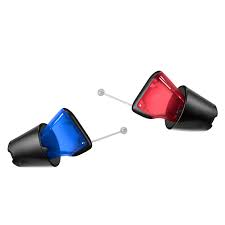
Starkey Muse Debuts in the UK Market

Starkey Muse from Hearing First brings a new generation of power and precision to hearing aid wearers, making conversation clearer in noisy environments, and music more natural.

Starkey Muse from Hearing First

Discover the New Starkey Muse Hearing Aids in the UK

Starkey has introduced the innovative Muse range of hearing aids, designed to cater to a variety of user preferences and needs. The collection features styles that range from the discreet yet powerful Completely In Canal (CIC) models to the In-the-Canal (ITC), In-the-Ear (ITE) custom designs. options include the microRIC 312, miniBTE, and the microRIC 312 AP, all providing an impressive amplification level of up to 70dB without feedback. For those seeking maximum discretion, Starkey presents the Soundlens Synergy, recognised as the world’s first wireless true invisible in the canal (iic) hearing aid.

The Muse range is available across three technology levels: i2400, i2000, and i1600. Each model is powered by Starkey’s advanced Synergy technology platform, which operates on a robust quad-core architecture, offering up to 24 channels and dual compressors for superior performance.

Every Muse hearing aid is now equipped with Starkey’s innovative patent-pending Multiflex Tinnitus technology. This feature offers a combination of personalisation and adaptability, specifically designed to provide relief for individuals experiencing tinnitus.

With the introduction of the all-new Synergy platform, Muse stands out as the only hearing aid range to utilise quad-core twin compressor technology. This groundbreaking system offers unparalleled precision for sound clarity and optimises the listening experience. The Synergy platform, in conjunction with Acuity OS, Starkey’s latest high-definition operating system, processes speech and music in a unique manner for the first time, enhancing clarity in both speech recognition and musical enjoyment across various environments.

Synergy also features 900sync Technology, which is favoured by patients for its ability to deliver an outstanding audio experience. This technology aids those with unilateral hearing loss through the new Muse CROS System and enhances phone communication with our innovative ear-to-ear phone streaming.

Explore further details about the Starkey Muse range:

Learn about Starkey Muse i2400

Discover Starkey Muse i2000

Categories
Health & Wellness Hearing Aids

Starkey Muse i2400 Hearing Aids: CIC, ITC, ITE, RIC, BTE at £1595

Starkey Muse i2400 £1595 from Hearing First brings a new generation of power and precision to hearing aid wearers, making conversation clearer in noisy environments, and music more natural.

Starkey Muse i2400 £1595 from Hearing First

Discover the Starkey Muse i2400 at Just £1595

Starkey has unveiled its innovative Muse range of hearing aids, with the most competitive price in the UK available through Hearing First at just £1595. The Muse collection offers various styles, from the discreet yet powerful CIC (completely in the canal), ITC, and ITE custom options, to the microRIC 312, miniBTE, and microRIC 312 AP, providing up to 70dB of feedback-free amplification. For those prioritising discretion, Starkey now features the Soundlens Synergy, which is celebrated as the world’s first wireless true iic (invisible in the canal) hearing aid.

The Muse series is available in three technology levels: i2400, i2000, and i1600. Each model is powered by Starkey’s advanced Synergy technology platform, which utilises a quad-core architecture and offers up to 24 channels along with twin compressors.

All models integrate Starkey’s innovative Multiflex Tinnitus technology, designed to provide personalised and adaptable relief for individuals experiencing tinnitus.

Explore the Advanced Technology of the Starkey Muse i2400

The i2400 model is equipped with impressive features, including:

  • 24 channels and 24 bands for enhanced sound clarity
  • Extended bandwidth reaching up to 10kHz
  • Acuity OS for optimised performance
  • 900sync Wireless Technology for seamless connectivity
  • Wireless Spatial Streaming for a rich audio experience
  • Acuity Speech Optimisation to enhance speech clarity
  • Music Enhancement capabilities, which include
    • Music Adaptation – Level 4 for tailored listening
    • Music Memory for personalised sound adjustments
    • E2E Music Adaptation – Maximum for superior audio quality
  • Ear 2 Ear Acuity Binaural Imaging, featuring
    • E2E Machine Noise Adaptation – Level 4
    • E2E Wind Noise Management – Level 4
    • E2E Directionality for improved sound localisation
    • E2E Phone Streaming for clear phone conversations
  • Environment Manager – Acuity Lifescape Analyser, which includes
    • Music – Level 4 for enhanced listening enjoyment
    • Speech – Level 4 for clear communication
    • Speech and Noise – Level 4 for balanced audio
    • Machine Noise – Level 4 for reduced distractions
    • Wind – Level 4 for outdoor clarity
    • Noise – Level 4 for an improved listening environment
    • Quiet – Level 4 for serene moments
  • Directional Processing – Acuity Directionality, featuring
    • Channels: 24 for comprehensive sound processing
    • Dynamic – Maximum for adaptive adjustments
    • Directional – Maximum for targeted hearing
    • Adaptive – Maximum for versatile use
  • Noise Control – Acuity Voice
    • Noise Reduction Strength – Level 4 for optimal sound quality
  • Whistlefree Feedback Cancellation for uninterrupted listening
  • Speech Shift Frequency Lowering for enhanced clarity
  • Multiflex Tinnitus Technology for tinnitus management
  • SurfLink Wireless Accessories for added convenience

The Muse, leveraging Starkey’s cutting-edge Synergy platform, is the sole platform featuring quad-core twin compressor technology. This technology provides unmatched precision for sound clarity and optimises the listening experience. The Synergy platform, in conjunction with Acuity OS, a new high-definition operating system, allows for unique processing of speech and music, thus significantly enhancing speech audibility and musical enjoyment across various environments.

Synergy incorporates 900sync Technology, which is favoured by patients for its wireless capabilities, ensuring a crystal-clear audio experience. This technology is designed to assist those with unilateral hearing loss through the new Muse CROS System and enhances phone comprehension with the innovative ear-to-ear phone streaming.

Categories
Health & Wellness Hearing Aids

Starkey Muse Hearing Aids: CIC, ITC, ITE, RIC, BTE at £1295

Starkey Muse i2000 £1295 from Hearing First delivers exceptional power and precision to hearing aid users, enhancing clarity in conversations even in noisy settings and making music sound more natural.

Starkey Muse i2000 £1295 from Hearing First

Discover the Starkey Muse i2000 Priced at £1295

When searching for the best price in the UK for the Starkey Muse i2000, look no further than Hearing First.

Our cutting-edge technology, Acuity Binaural Imaging, sets a new benchmark for ear-to-ear communication. It utilises ultra high-definition audio to create a more natural listening experience for users. This system enables collaborative decision-making, ensuring that speech clarity is maintained while comfort is preserved.

Modern users desire a seamless listening experience across various environments. Our Acuity Lifescape Analyzer represents the most thoroughly tested environmental detection system available. This innovative system categorises sounds into seven distinct classes, allowing it to manage multiple auditory settings simultaneously and deliver the most sophisticated adaptation and classification capabilities to date.

Acuity Directionality enhances speech recognition in challenging listening situations. This intelligent feature is personalised to adjust continually across all channels, prioritising conversations with an impressive 6dB speech enhancement. This ensures that users can engage more effectively in discussions, regardless of their surroundings.

Complementing the Acuity Lifescape Analyzer, Acuity Voice enhances speech intelligibility. This dual-layer algorithm employs dynamic voice identification and spectral noise control to adjust gain on each channel, resulting in unparalleled sound quality and clarity, making it easier for users to comprehend speech amidst background noise.

Our patient-favourite wireless system, 900sync, streams a caller’s voice to both ears through our innovative Ear-to-Ear Phone Streaming feature, simplifying phone conversations like never before.

Advanced Technology Features of the Starkey Muse i2000

The i2000 model is equipped with the following advanced features:

  • 20 channels and 20 bands for precise sound processing
  • Extended bandwidth reaching up to 10kHz for enhanced audio quality
  • Acuity OS for superior performance
  • 900sync Wireless Technology for seamless connectivity
  • Wireless Spatial Streaming for an immersive sound experience
  • Acuity Speech Optimisation – Medium for improved speech clarity
  • Music Enhancement features, including:
    • Music Adaptation – Level 2 for tailored listening
    • Music Memory for personalised sound preferences
    • E2E Music Adaptation – Medium for optimal audio experiences
  • Ear to Ear Acuity Binaural Imaging, featuring:
    • E2E Machine Noise Adaptation – Level 2 for reduced distractions
    • E2E Wind Noise Management – Level 2 for clarity in breezy conditions
    • E2E Directionality for focused sound capture
    • E2E Phone Streaming for enhanced call quality
  • Environment Manager – Acuity Lifescape Analyzer, including:
    • Music – Level 2 for enriched audio experiences
    • Speech – Level 2 for clear communication
    • Speech and Noise – Level 2 for better sound discrimination
    • Machine Noise – Level 2 for minimised interference
    • Wind – Level 2 for clearer sound in windy conditions
    • Noise – Level 2 for effective sound management
    • Quiet – Level 2 for optimal listening
  • Directional Processing – Acuity Directionality, featuring:
    • Channels: 20 for detailed sound analysis
    • Dynamic – Medium for adaptable sound processing
    • Directional – Medium for targeted audio capture
    • Adaptive – Medium for continuous optimisation
  • Noise Control – Acuity Voice, featuring:
    • Noise Reduction Strength – Level 2 for a tranquil listening environment
  • Whistle-free Feedback Cancellation for uninterrupted listening
  • Speech Shift Frequency Lowering for enhanced speech clarity
  • Multiflex Tinnitus Technology for tailored tinnitus management
  • SurfLink Wireless Accessories for enhanced connectivity

The Starkey Muse i2000, powered by Starkey’s revolutionary Synergy platform, is the only system featuring quad core twin compressor technology. This technology offers exceptional precision for sound clarity and optimises the listening experience. Synergy, in conjunction with Acuity OS, our state-of-the-art high-definition operating system, allows for unprecedented processing of speech and music, greatly enhancing both speech audibility and musical enjoyment across diverse environments.

Synergy integrates 900sync Technology, our preferred wireless solution, providing a crystal-clear audio experience. This innovation supports those with unilateral hearing loss through our new Muse CROS System and enhances understanding during phone calls via our groundbreaking ear-to-ear phone streaming.