Categories
Health & Wellness Hearing Issues

Poor Circulation’s Effects on Hearing Health

Last Updated on 26/12/2025 by Admin

Uncover the Vital Link Between Circulation and Hearing Health

Delve into the Impact of Blood Flow on Ear Functionality

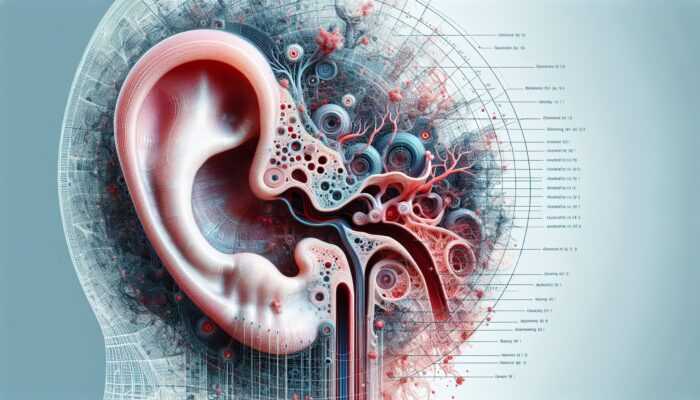
The flow of blood plays a fundamental role in maintaining the health of the auditory system, as it delivers essential nutrients and oxygen to the ears. The inner ear, housing the cochlea and other critical components necessary for hearing, relies heavily on a sufficient blood supply to function optimally. Any hindrance to circulation can prevent the intricate structures within the inner ear from receiving the nourishment they need, paving the way for potential hearing loss.

The repercussions of inadequate circulation can manifest in diverse ways, often beginning subtly and escalating into more severe complications. Initial symptoms may include a sensation of fullness in the ears or minor fluctuations in hearing ability. If these early indicators are ignored, they can evolve into more significant auditory difficulties. The importance of sustaining adequate blood flow cannot be overstated, as it directly correlates to auditory health and the protection of hearing functions.

The relationship between blood flow and ear function is a physiological reality that affects millions of people worldwide. By comprehending how lifestyle choices and underlying health conditions influence circulatory health, individuals can better understand how these factors impact their hearing. By prioritising vascular health, proactive steps can be taken to safeguard hearing and promote overall auditory well-being.

The Essential Role of Vascular Health in Enhancing Auditory Function

Vascular health is critical for the optimal functioning of the auditory system. A complex network of blood vessels must remain free from blockages and diseases to ensure peak ear functionality. A decline in vascular health markedly heightens the risk of hearing impairment. Conditions such as atherosclerosis, characterised by the narrowing of arteries due to plaque build-up, can lead to insufficient blood flow to the ears, potentially damaging the auditory structures.

The auditory system is intricately linked with the vascular system. For instance, the cochlea, which is responsible for converting sound vibrations into neural signals, requires a consistent blood supply for effective operation. Poor vascular health can jeopardise this supply, subsequently diminishing hearing capabilities. Additionally, conditions like hypertension can induce alterations in blood vessels, further impacting auditory function.

To maintain optimal auditory health, it is essential to cultivate healthy vascular habits. Engaging in regular cardiovascular exercise, consuming a well-balanced diet rich in antioxidants and healthy fats, and avoiding smoking are proactive measures to protect vascular health. By understanding the relationship between vascular health and hearing abilities, individuals can take tangible steps towards enhancing their auditory well-being.

Investigating the Mechanisms Behind Hearing Loss Linked to Circulation Issues

When circulation is compromised, the processes leading to hearing loss can be complex and gradual. The inner ear, which requires a steady influx of oxygen and nutrients, is particularly susceptible to fluctuations in blood flow. Insufficient blood supply can lead to the degeneration of hair cells within the cochlea, hampering their ability to transmit sound signals to the brain. This degeneration typically occurs slowly and often goes unnoticed until significant hearing impairment has arisen.

One pathway through which poor circulation can precipitate hearing loss is through oxidative stress. A reduction in blood flow can increase the likelihood of oxidative damage within auditory structures. Over time, this damage may lead to progressive hearing loss, underscoring the necessity for early intervention to preserve auditory function. Furthermore, compromised blood vessels can trigger inflammation, further deteriorating the sensitive tissues of the inner ear.

It is crucial for individuals to identify signs of potential hearing loss associated with circulation problems. Regular hearing assessments and a heightened awareness of how circulatory health influences auditory function can encourage a proactive approach to managing hearing health. By understanding the underlying mechanisms, patients can collaborate with healthcare providers to implement preventive strategies to protect their hearing as they age.

Proven Strategies to Enhance Circulation for Better Hearing

Enhancing circulation serves as a proactive strategy to improve hearing health. Various lifestyle modifications can lead to improved blood flow, ultimately benefiting auditory function. Regular physical activity stands out as one of the most effective ways to promote circulation. Engaging in aerobic exercises such as brisk walking, cycling, or swimming can significantly strengthen the heart and enhance blood flow throughout the body, including to the ears.

Additionally, a well-balanced diet is equally vital. Incorporating foods rich in omega-3 fatty acids, antioxidants, and vitamins can support vascular health and enhance blood flow. By including leafy greens, berries, fish, and nuts in one’s diet, individuals can provide essential nutrients that promote healthy circulation.

Moreover, staying well-hydrated is crucial for maintaining good circulation. Drinking ample water ensures that the blood remains fluid and capable of flowing freely through the vessels. Dehydration can lead to thicker blood, increasing the risk of circulation issues.

Furthermore, regular health check-ups are essential for monitoring vascular health and addressing potential issues early on. By adopting a comprehensive approach to improving circulation, individuals can nurture a healthier auditory system.

  • Engage in consistent aerobic exercises.
  • Consume a diet abundant in omega-3 fatty acids.
  • Stay well-hydrated with ample water intake.
  • Limit the consumption of processed foods and sugars.
  • Practice stress-relief techniques such as yoga or meditation.
  • Quit smoking and reduce alcohol consumption.
  • Schedule regular health check-ups to monitor vascular health.
  • Consider supplements after consulting a healthcare professional.

Thorough Diagnostic Tests for Hearing Issues Associated with Circulation

Identifying hearing problems related to circulation necessitates a comprehensive approach involving various diagnostic tests. One primary method is audiometry, which gauges an individual’s hearing sensitivity across a spectrum of frequencies. This test can help ascertain the extent of hearing loss and determine whether it correlates with potential circulation issues.

Another valuable diagnostic tool is tympanometry. This assessment evaluates the movement of the eardrum in response to changes in air pressure, potentially uncovering problems within the middle ear, such as fluid accumulation, which may indicate underlying circulatory concerns. If abnormalities are detected, further vascular imaging techniques such as Doppler ultrasound or angiography may be necessary to evaluate blood flow to the ears.

Timely diagnosis is crucial for effective intervention. By quickly identifying circulation-related hearing problems, healthcare providers can formulate tailored treatment plans addressing both auditory and vascular health. Patients must advocate for their health by seeking prompt evaluations when they notice changes in their hearing, as proactive measures can significantly enhance outcomes.

Professional Insights into the Impact of Poor Circulation on Hearing

What Symptoms Indicate Poor Circulation in the Ears?

Recognising the symptoms of poor circulation in the ears is critical for early intervention. Signs of compromised auditory circulation may include tinnitus—a persistent ringing or buzzing sound in the ears—hearing loss, and episodes of dizziness. These indicators can serve as significant warnings that circulatory issues could be affecting auditory health.

Additional common symptoms may encompass:

  • Challenges in understanding speech in noisy environments.
  • A sensation of fullness or pressure in the ears.
  • Sudden changes in hearing abilities.
  • Frequent ear infections or fluid retention.
  • Chronic headaches that may accompany auditory symptoms.
  • Heightened sensitivity to loud sounds.
  • Balance difficulties or feelings of unsteadiness.
  • Altered perceptions of sound quality.

Being able to identify these symptoms early can lead to improved management of circulatory health and potentially avert further hearing loss. Awareness of these early warning signs empowers individuals to seek professional assistance and address underlying issues before they escalate.

How Can Specialists Effectively Diagnose Hearing Loss Related to Circulation?

Specialists utilise a variety of diagnostic tools to accurately identify hearing loss associated with poor circulation. Audiograms are among the most common assessments, measuring an individual’s hearing abilities across different frequencies and identifying patterns of hearing loss that may indicate underlying circulatory issues.

Alongside hearing assessments, healthcare professionals may conduct blood flow evaluations to assess vascular health. Tests such as Doppler ultrasound provide imaging of blood flow in arteries and veins, assisting in identifying any blockages or irregularities impacting hearing.

Early diagnosis is critical for effective treatment; therefore, specialists are trained to recognise specific patterns in hearing tests that may suggest poor circulation. By combining audiometric data with vascular assessments, healthcare providers can gain a comprehensive understanding of the patient’s condition, informing targeted treatment strategies.

It is essential for individuals experiencing hearing difficulties to seek specialised care. Proactive engagement with healthcare providers not only facilitates the diagnosis of existing issues but also establishes a foundation for ongoing monitoring of auditory and vascular health.

What Expert Recommendations Exist for Enhancing Circulation?

Experts recommend a variety of interventions aimed at improving circulation and, consequently, preserving or restoring hearing. Lifestyle modifications are often the first line of defence. Regular physical activity is universally advised, as it strengthens the cardiovascular system and promotes enhanced blood flow to all organs, including the ears.

In addition to exercise, dietary changes can yield significant benefits. A diet abundant in fruits, vegetables, whole grains, lean proteins, and healthy fats can bolster vascular health and improve circulation. Omega-3 fatty acids, found in fish like salmon, have demonstrated advantages for blood flow and overall cardiovascular health.

For some individuals, medications may be necessary to manage underlying conditions affecting circulation. Antihypertensives, anticoagulants, and cholesterol-lowering agents may be prescribed to enhance blood flow and reduce the risk of hearing loss. In more severe cases, surgical interventions may be contemplated, particularly if significant blockages influence blood supply.

Incorporating stress management strategies, such as mindfulness practices and meditation, can also improve overall vascular health. These techniques help mitigate stress-induced hormonal effects that may constrict blood vessels, thus improving circulation. Overall, a comprehensive approach to enhancing circulation is essential for preserving hearing health.

Everyday Choices That Affect Circulation and Hearing Health

The Influence of Diet on Blood Flow and Hearing Function

Diet plays a pivotal role in sustaining healthy circulation, which directly influences hearing health. Embracing a balanced diet rich in essential nutrients can enhance blood flow, thereby supporting improved auditory function. Foods high in antioxidants, omega-3 fatty acids, and vitamins are recognised for promoting vascular health and safeguarding hearing capabilities.

Avoiding diets high in saturated fats and sugars is paramount in preventing circulatory problems. Diets abundant in fats can lead to atherosclerosis, which narrows blood vessels and reduces blood flow to the ears. Conversely, integrating heart-healthy foods such as avocados, nuts, and leafy greens can enhance circulation and improve auditory function.

Certain nutrients, including magnesium and potassium, also contribute to maintaining healthy blood vessels. Foods such as bananas, spinach, and beans are excellent sources of these essential minerals, which promote better blood flow. Staying adequately hydrated is equally crucial, as sufficient fluid intake optimises blood viscosity, further encouraging circulation.

By acknowledging the connection between diet and circulation, individuals can make informed choices that bolster their hearing health. Prioritising a nutrient-dense diet not only enhances circulation but also promotes overall well-being, creating a powerful synergy between dietary habits and auditory health.

What Effects Does Regular Exercise Have on Circulation and Hearing Health?

Regular physical activity is fundamental to maintaining healthy circulation, which directly impacts hearing health. Engaging in exercise enhances cardiovascular fitness, ensuring efficient blood flow throughout the body, including the ears. Improved circulation facilitates the delivery of oxygen and nutrients to auditory structures, contributing to optimal hearing function.

Aerobic exercises such as running, cycling, and swimming are particularly effective for promoting cardiovascular health. These activities increase heart rate and stimulate blood flow, enhancing vascular efficiency. Additionally, strength training exercises can boost metabolic health, further supporting circulation and overall bodily functions.

Incorporating specific exercises can yield additional benefits for hearing health. Activities that enhance balance and coordination, such as yoga or tai chi, can help counteract age-related auditory decline. These practices not only improve physical fitness but also foster a mind-body connection, enhancing overall well-being.

To remain active, individuals should aim for at least 150 minutes of moderate-intensity aerobic exercise each week. By establishing a regular exercise routine and including activities that promote circulation, individuals can significantly improve their auditory health and overall quality of life.

  • Brisk walking
  • Cycling
  • Swimming
  • Dancing
  • Yoga
  • Strength training
  • Tai chi
  • Jogging

The Adverse Effects of Smoking and Alcohol on Circulation and Hearing

Both smoking and excessive alcohol consumption can severely compromise circulation, leading to potential hearing issues. The harmful chemicals present in tobacco can damage blood vessels, resulting in reduced blood flow to various body parts, including the ears. This diminished circulation can contribute to hearing loss and other auditory complications.

Moreover, smoking is associated with increased inflammation throughout the body, which can worsen circulatory problems and lead to further auditory decline. Quitting smoking not only enhances overall health but also significantly improves circulation and auditory function.

Excessive alcohol consumption can also negatively impact blood flow. Chronic alcohol use can lead to hypertension and other cardiovascular issues, increasing the risk of hearing loss. Moderating alcohol intake is essential for maintaining healthy circulation and protecting hearing abilities.

Individuals aiming to boost their hearing health should consider eliminating smoking and moderating alcohol consumption as part of a broader health strategy. By addressing these lifestyle factors, significant progress can be made toward enhancing circulation and safeguarding auditory health.

Medical Conditions Linked to Poor Circulation and Hearing Impairment

What Common Diseases Impact Circulation and Hearing?

Several medical conditions can adversely affect circulation, potentially leading to hearing loss. Common diseases associated with poor circulation include diabetes, hypertension, and cardiovascular diseases. Each of these conditions can compromise blood flow to the ears, resulting in auditory impairments.

For example, diabetes can gradually damage blood vessels, leading to circulatory issues that affect not only extremities but also the auditory system. Individuals with diabetes face a heightened risk of hearing loss due to the vascular complications that often accompany the disease.

Hypertension, or high blood pressure, can also be detrimental to circulation. Elevated blood pressure may lead to structural changes in blood vessels, hindering their ability to supply adequate blood flow to the ears. This impairment can contribute to progressive hearing loss if not effectively managed.

Cardiovascular diseases, such as atherosclerosis and heart disease, can further restrict blood flow due to blocked vessels. These conditions can significantly affect auditory function, emphasising the need for managing underlying health issues to preserve hearing.

By being aware of these common diseases and their impact on circulation, individuals can implement proactive measures to manage their health and mitigate the risk of hearing loss. Regular health screenings and lifestyle modifications can significantly enhance both vascular and auditory health.

How Do Medications Influence Circulation and Hearing Health?

Medications can significantly affect both circulation and hearing. Certain drugs may improve blood flow, while others can lead to circulatory complications or even cause hearing loss. Patients must understand the potential side effects of their medications and communicate any concerns with their healthcare providers.

For instance, medications like blood thinners can enhance circulation by preventing clot formation. However, these drugs may increase bleeding risks, necessitating careful monitoring. In contrast, some common medications, particularly certain antibiotics and diuretics, are associated with ototoxicity, which can lead to hearing loss.

Additionally, hypertension medications, while crucial for controlling blood pressure, can sometimes induce circulatory changes that impact hearing. It is vital for individuals to collaborate closely with their healthcare providers to find the right medication balance that supports both circulatory health and auditory function.

Patients should never discontinue or alter their medications without consulting a healthcare professional. By maintaining open communication and undergoing regular check-ups, individuals can navigate potential medication-related risks and safeguard their hearing health.

Understanding the Connection Between Age-Related Changes and Circulation

As individuals age, various physiological changes occur in the body, including alterations in circulation that can affect hearing. Age-related modifications in blood vessel elasticity and functionality can result in decreased blood flow to the ears, contributing to hearing deterioration over time.

This reduction in circulation may exacerbate age-related auditory conditions, such as presbycusis, a common form of hearing loss associated with aging. Reduced blood flow can impair the functioning of the cochlea and other auditory structures, leading to a gradual decline in hearing capacity.

Furthermore, age-related diseases like hypertension and atherosclerosis can complicate circulatory issues. Understanding these age-related changes is vital for proactive management of hearing health. Regular health check-ups and monitoring can help identify circulatory problems early, allowing for timely interventions to preserve auditory function.

Embracing a healthy lifestyle that includes a proper diet, regular exercise, and stress management can mitigate some of the adverse effects of aging on circulation and hearing. By focusing on both vascular and auditory health, individuals can enjoy a better quality of life as they age.

Research-Based Insights on the Connection Between Circulation and Hearing

What Do Studies Indicate About Circulation and Hearing Health?

Research consistently reveals a strong correlation between circulation and hearing health, with numerous studies illustrating how improvements in circulation can positively affect auditory function. For example, findings indicate that individuals who participate in regular aerobic exercise tend to experience better hearing outcomes, as increased blood flow enhances nutrient delivery to the ears.

Clinical studies have demonstrated that patients with circulatory problems show higher rates of hearing loss compared to those with healthy vascular function. This correlation underscores the importance of maintaining good circulation to preserve hearing abilities. Real-world initiatives, such as community-based exercise programmes, have yielded significant improvements in both circulatory health and auditory function among participants.

Moreover, studies have investigated the effects of dietary interventions on circulation and hearing health. Research suggests that diets rich in omega-3 fatty acids can enhance blood flow and improve hearing capabilities. These findings reinforce the notion that lifestyle changes can serve as effective strategies for preserving auditory health.

By understanding the research-backed benefits of circulation on hearing, individuals can be motivated to embrace lifestyle changes that support both their vascular and auditory well-being. Emphasising the importance of regular health check-ups and healthy habits can lead to improved overall health outcomes.

How Does Enhanced Circulation Improve Hearing Abilities?

Improved circulation can facilitate better delivery of nutrients and oxygen to the ears, potentially enhancing hearing abilities. When blood flow is optimal, the delicate structures of the inner ear receive the essential nourishment necessary for effective functioning. This improved blood supply can be particularly advantageous for individuals experiencing early signs of hearing loss.

By promoting vascular health through exercise and diet, individuals can create an environment conducive to maintaining auditory function. Enhanced circulation not only supports the structural integrity of the inner ear but also increases the efficiency of auditory processing, leading to clearer sound perception and overall improved hearing abilities.

Furthermore, enhanced circulation can mitigate the risk of oxidative damage, which may contribute to hearing deterioration over time. Adequate blood flow helps alleviate inflammation and promotes repair processes within the auditory system, ultimately resulting in improved hearing outcomes.

In summary, prioritising circulation is crucial for maintaining and enhancing hearing abilities. By adopting healthy lifestyle practices, individuals can significantly improve their auditory health and overall quality of life.

The Role of Clinical Trials in Understanding the Connection Between Circulation and Hearing

Clinical trials play a crucial role in deepening our understanding of how circulation affects hearing. These studies provide valuable insights into the relationship between vascular health and auditory function, guiding clinical practices and treatment strategies. By examining various interventions, researchers can assess the effectiveness of approaches aimed at improving circulation and, consequently, hearing health.

Clinical trials frequently evaluate the impact of lifestyle changes, medications, and surgical procedures on both circulatory and auditory health. For instance, studies investigating the effects of exercise on hearing have shown positive results, highlighting the benefits of improved circulation for auditory function. Such findings contribute to an expanding body of evidence supporting the significance of vascular health in hearing preservation.

Additionally, clinical trials can identify potential risks associated with various treatments, enabling healthcare providers to make informed recommendations for patients. By participating in these studies, individuals can access cutting-edge interventions that may enhance their auditory health and overall well-being.

In conclusion, clinical trials are invaluable in advancing our understanding of the intricate relationship between circulation and hearing. The data collected from these studies can lead to more effective treatment options, ultimately improving quality of life for those affected by hearing loss.

The Long-Term Consequences of Poor Circulation on Hearing Loss

Chronic poor circulation can lead to progressive hearing loss, as sustained inadequate blood flow to the ears exacerbates auditory decline over time. Research indicates that individuals with prolonged circulatory issues face a greater risk of developing significant hearing impairments compared to those with healthy circulation.

The long-term effects of poor circulation on hearing loss often develop gradually, making early detection and intervention vital. As blood flow diminishes, the delicate structures within the inner ear may suffer from oxidative damage and inflammation, leading to irreversible hearing loss if not addressed.

Moreover, chronic circulatory issues can worsen age-related hearing decline, compounding the effects of natural aging processes. Individuals with poor vascular health may experience accelerated hearing loss, underscoring the importance of proactive measures to enhance circulation throughout life.

To mitigate the long-term effects of poor circulation on hearing, individuals should prioritise their vascular health through lifestyle changes, regular check-ups, and timely interventions. By understanding the potential consequences of chronic circulatory problems, individuals can take empowered steps to protect their hearing health.

Preventive Measures for Maintaining Optimal Circulation and Hearing

What Daily Habits Can Improve Circulation and Hearing Health?

Integrating healthy daily habits can significantly enhance both circulation and hearing health. Regular physical activity, a balanced diet, and stress management techniques can positively impact vascular and auditory function.

Participating in aerobic exercises, even in short bursts, promotes blood flow and strengthens the cardiovascular system. Simple activities like walking or cycling can easily fit into daily routines, making it more manageable to remain active.

A nutritious diet prioritising whole foods, such as fruits, vegetables, lean proteins, and healthy fats, supports vascular health and enhances circulation. Foods rich in antioxidants can combat oxidative stress, further protecting hearing abilities.

Stress management is equally vital, as chronic stress can detrimentally affect circulation. Techniques like deep breathing, meditation, and yoga can effectively lower stress levels.

Additional daily habits to consider include:

  • Staying hydrated with sufficient water intake.
  • Avoiding excessive caffeine and alcohol consumption.
  • Limiting salt intake to manage blood pressure.
  • Incorporating short breaks and stretching during prolonged periods of inactivity.
  • Practising good posture to support circulation.
  • Ensuring adequate sleep to promote overall health.
  • Using ear protection in loud environments.
  • Maintaining a healthy weight to reduce strain on the cardiovascular system.

By adopting these daily habits, individuals can build a solid foundation for improved circulation and hearing health, leading to enhanced overall well-being.

The Importance of Regular Health Check-Ups

Routine health check-ups are essential for monitoring circulation and hearing health, facilitating early intervention when issues arise. Regular screenings can help identify risk factors related to circulatory diseases and hearing impairments, enabling individuals to take proactive measures to protect their overall well-being.

Healthcare providers can evaluate an individual’s vascular health through routine blood pressure checks, cholesterol screenings, and other relevant tests. By tracking these metrics over time, patients and providers can collaborate to develop targeted strategies for improving circulatory health.

Moreover, regular audiometric evaluations can aid in detecting early signs of hearing loss. These assessments yield valuable data on an individual’s hearing capabilities and can reveal patterns that might indicate circulation-related issues.

By prioritising regular health check-ups, individuals can stay informed about their health status and address potential problems before they escalate. This proactive approach fosters a greater understanding of the interconnectedness between circulation and hearing, ultimately leading to better health outcomes.

How Does Stress Management Affect Circulation and Hearing Health?

Stress can significantly impact circulation, which in turn can affect hearing. Chronic stress often triggers the release of hormones like cortisol and adrenaline, which constrict blood vessels and inhibit blood flow. This reduction in circulation may hinder the supply of oxygen and nutrients to the ears, exacerbating auditory issues over time.

Implementing effective stress management techniques is crucial for maintaining healthy circulation and preserving hearing health. Incorporating practices such as mindfulness, meditation, and physical activity can help alleviate stress levels and support vascular function.

Engaging in regular exercise not only reduces stress but also enhances blood flow, creating a beneficial cycle for both circulation and auditory health. Establishing a strong support network and practising relaxation techniques can further improve an individual’s capacity to manage stress effectively.

By recognising the connection between stress and circulation, individuals can adopt stress-reducing strategies that foster overall health, including the preservation of hearing. Prioritising mental well-being is integral to maintaining both circulatory and auditory function.

Technological Advances in Addressing Circulation-Related Hearing Concerns

What New Technologies Aid in Diagnosing Circulation Problems?

Technological advancements have revolutionised the diagnosis of circulation issues related to hearing. Innovative imaging and diagnostic tools empower healthcare providers to accurately assess vascular health. For instance, Doppler ultrasound technology allows clinicians to visualise blood flow in real-time, identifying potential blockages or irregularities impacting circulation.

Furthermore, advanced audiometric testing equipment offers heightened sensitivity in detecting subtle changes in hearing abilities. These tools enable specialists to establish more precise correlations between circulatory health and auditory function, resulting in more tailored treatment plans for patients.

The integration of telemedicine into audiology and vascular evaluations has expanded access to specialised care. Patients can receive consultations and follow-up assessments remotely, making it easier to monitor their health and address any emerging issues promptly.

These technological advancements are vital for the early detection and intervention of circulation-related hearing problems, ultimately enhancing patient outcomes and fostering a better understanding of the relationship between circulation and hearing health.

Innovative Treatments for Enhancing Circulation and Hearing Health

Recent innovations in treatment strategies for circulation and hearing health offer promising solutions for individuals facing these interconnected challenges. New medications designed to enhance vascular function and improve blood flow are emerging, providing hope for those with circulatory problems contributing to hearing loss.

Moreover, minimally invasive surgical techniques can restore proper blood flow in individuals with significant blockages affecting their auditory health. These procedures generally entail less risk and quicker recovery times compared to traditional surgeries, making them a viable option for many patients.

In the realm of auditory health, advancements in hearing aid technology are noteworthy. Modern hearing aids now come equipped with features that not only enhance sound quality but may also incorporate elements aimed at promoting better circulation. This dual functionality could lead to improved auditory outcomes while addressing underlying vascular concerns.

By staying informed about new treatment options and advancements in both circulation and hearing health, individuals can make empowered decisions regarding their care and explore innovative strategies that support their overall well-being.

The Future of Hearing Aids and Their Role in Circulation Enhancement

The future of hearing aids is filled with exciting possibilities for enhancing both auditory and circulatory health. Technological innovations may lead to the creation of hearing aids that incorporate features designed to promote better blood flow and vascular function. This dual-purpose approach could revolutionise the treatment of hearing loss, particularly for individuals with underlying circulatory issues.

Emerging technologies such as smart hearing aids may monitor real-time physiological data, including indicators of vascular health. This capability could provide valuable insights into an individual’s circulatory status and help guide interventions aimed at preserving both hearing and vascular function.

Furthermore, advancements in artificial intelligence and machine learning may enable hearing aids to dynamically adapt to an individual’s environment, optimising sound quality while considering the user’s overall health needs. This integration of health monitoring with auditory assistance represents a significant leap toward a more holistic approach to hearing care.

By keeping abreast of these advancements, individuals can benefit from enhanced hearing aids that not only improve auditory experiences but also contribute to better overall health outcomes, fostering a more interconnected perspective on hearing and circulation.

Emerging Technologies for Non-Invasive Circulation Improvement

Innovative technologies are being developed to enhance blood flow non-invasively, presenting exciting prospects for individuals with circulation-related hearing issues. Techniques such as transcutaneous electrical nerve stimulation (TENS) and low-level laser therapy (LLLT) are being explored for their potential to improve circulation without the need for invasive procedures.

TENS employs electrical impulses to stimulate nerves, promoting vasodilation and enhancing blood flow to targeted areas. Similarly, LLLT utilises specific wavelengths of light to stimulate cellular activities, which may improve circulation and promote healing in tissues affected by poor blood flow.

These non-invasive therapies can be particularly beneficial for individuals seeking alternatives to traditional treatments for circulatory issues, including those impacting hearing health. By prioritising safety and comfort, these technologies offer accessible options for those looking to enhance their vascular health.

As research continues to progress in this area, individuals can stay informed about new developments and consider incorporating these innovative practices into their health management strategies. Non-invasive options for improving circulation can complement existing approaches to preserving hearing health.

Wearable Technology’s Influence on Monitoring Circulation and Hearing

Wearable technology is transforming the way individuals monitor their circulation and hearing health. Devices such as smartwatches and fitness trackers can provide real-time data on heart rate, activity levels, and even sleep patterns, empowering users to take a proactive stance in their health.

These wearables can also incorporate features that monitor vascular health, such as blood oxygen levels and blood pressure, providing valuable insights into overall circulatory function. By leveraging this data, individuals can identify patterns or changes that may indicate potential circulatory issues affecting their hearing.

The integration of hearing monitoring features into wearable technology is also on the rise. Some devices can track sound exposure levels and alert users to potentially harmful environments, helping to protect against noise-induced hearing loss.

By utilising wearable technology, individuals can take charge of their health, making informed decisions to enhance both circulation and auditory function. The continuous feedback provided by these devices encourages a more engaged approach to managing overall health, ultimately leading to better outcomes for hearing and circulation-related issues.

Frequently Asked Questions

What is the link between poor circulation and hearing loss?

Poor circulation can diminish blood flow to the ears, resulting in damage to the delicate structures essential for hearing. If not properly addressed, this can lead to gradual hearing loss over time.

How can I determine if I have circulation-related hearing issues?

Symptoms may include tinnitus, difficulties in understanding speech, dizziness, and sudden changes in hearing abilities. If you notice these symptoms, consult a healthcare professional.

What lifestyle changes can enhance circulation and hearing health?

Regular exercise, a nutrient-rich balanced diet, hydration, and effective stress management techniques can significantly improve circulation and support hearing health.

Can medications influence my hearing?

Yes, certain medications may have side effects that affect blood flow or hearing capabilities. It is crucial to discuss any concerns with your healthcare provider to find suitable alternatives.

What tests are utilised to diagnose circulation-related hearing loss?

Common tests include audiometry, tympanometry, and blood flow assessments. These evaluations help determine the extent of hearing loss and its correlation with circulatory issues.

How does aging influence circulation and hearing?

As individuals age, changes in blood vessel elasticity and function can lead to reduced blood flow to the ears, increasing the risk of hearing loss and age-related auditory conditions.

What dietary choices promote circulation and hearing health?

A diet rich in fruits, vegetables, whole grains, and healthy fats, particularly omega-3 fatty acids, can support good circulation and enhance auditory function.

Are there non-invasive treatments for circulation issues affecting hearing?

Emerging technologies like transcutaneous electrical nerve stimulation (TENS) and low-level laser therapy (LLLT) are being explored as non-invasive methods to enhance circulation and support hearing health.

How can I track my circulation and hearing health?

Wearable technology, such as smartwatches and fitness trackers, can provide real-time data on heart rate, activity levels, and even sound exposure, helping you stay informed about your health.

What effect does stress have on circulation and hearing health?

Chronic stress can constrict blood vessels and impair blood flow, negatively influencing both circulation and hearing. Stress management techniques are essential for maintaining overall health.

Discover our world on X!

The post Poor Circulation and Its Impact on Hearing Health appeared first on The Microsuction Ear Wax Removal Network.

The post Poor Circulation and Its Impact on Hearing Health appeared first on Healthcare Marketing Service.

Categories
Health & Wellness Hearing Issues

Hearing Loss Challenges for Seniors Around the Globe

Last Updated on 30/09/2025 by Admin

In-Depth Exploration of Hearing Loss Challenges Encountered by Seniors

Understanding the Various Types of Hearing Loss in Seniors

Hearing loss in seniors can be categorised into three primary types: sensorineural, conductive, and mixed hearing loss. Gaining a clear understanding of these classifications is vital, as each type has distinctive features and requires tailored approaches for effective management. Sensorineural hearing loss, the most prevalent form among older adults, arises from damage to the inner ear or the auditory nerve. This condition often results from natural ageing processes or long-term exposure to loud noises, which can lead to the degeneration of the delicate hair cells essential for hearing. Management strategies usually involve the use of hearing aids or cochlear implants, which can significantly enhance the auditory experience for those affected.

Conversely, conductive hearing loss occurs due to issues in the outer or middle ear, often resulting from blockages or physical damage. Common causes include the accumulation of earwax, fluid in the middle ear, or recurrent ear infections. Many instances of conductive hearing loss can be effectively addressed through medical interventions or surgical procedures. Meanwhile, mixed hearing loss incorporates elements of both sensorineural and conductive hearing loss, complicating treatment options. Seniors experiencing mixed hearing loss may find that a combination of medical treatments and assistive auditory devices is necessary to improve their hearing abilities.

Recognising these distinct types of hearing loss is crucial for seniors and their caregivers as they seek the most effective interventions. By accurately determining whether an individual is experiencing sensorineural, conductive, or mixed hearing loss, personalised strategies can be devised to significantly enhance communication and improve overall quality of life.

What Are the Underlying Causes of Hearing Loss in Seniors?

The onset of hearing loss among seniors is largely influenced by factors such as age-related changes, exposure to loud noises, and various medical conditions. Age-related hearing loss, commonly referred to as presbycusis, is characterised by a gradual decline in auditory ability, typically beginning around the age of 60. This condition can deteriorate due to cumulative exposure to environmental noise over the years, highlighting the importance of understanding how prolonged noise exposure can adversely affect hearing health.

In addition, several medical conditions, including diabetes, hypertension, and cardiovascular diseases, are associated with an increased risk of experiencing hearing loss. Chronic illnesses can impede blood circulation to the inner ear, resulting in a decline in auditory capabilities. Furthermore, certain ototoxic medications prescribed for various health issues can also contribute to auditory impairments, adding another layer of complexity to the challenges surrounding hearing health in seniors.

Understanding these underlying causes is crucial for developing effective prevention and treatment strategies. Seniors are encouraged to adopt proactive measures, such as scheduling regular hearing screenings, making lifestyle changes to minimise noise exposure, and effectively managing any underlying health conditions to help mitigate the risk of hearing loss.

What Are the Impacts of Hearing Loss on Daily Life for Seniors?

The effects of hearing loss can profoundly hinder a senior’s ability to communicate, which in turn affects social interactions and overall quality of life. Individuals with hearing impairments often encounter difficulties in maintaining conversations, leading to misunderstandings and heightened frustration. This communication barrier can foster feelings of isolation, prompting seniors to withdraw from social gatherings and potentially resulting in deteriorating mental health.

The repercussions of hearing loss extend beyond personal relationships; the inability to hear significant sounds, such as alarms, notifications, or even the television, can severely compromise a senior’s independence and safety. Seniors may find themselves unable to respond to critical cues from their surroundings, thereby increasing their risk of accidents or emergencies.

Recognising these impacts is essential for caregivers and family members who aim to provide the necessary support to navigate these challenges effectively. Encouraging open discussions about hearing difficulties and creating inclusive environments can help seniors feel more connected and supported. By addressing the social and emotional consequences of hearing loss, caregivers can substantially enhance the overall quality of life for seniors.

How to Implement Effective Prevention and Management Strategies for Hearing Loss

The adoption of preventive measures and proactive management strategies is essential in addressing hearing loss in seniors. Regular hearing check-ups are fundamental for early detection and timely intervention. Healthcare professionals recommend that individuals over the age of 60 undergo annual screenings, as early identification can lead to a broader range of treatment options and improved outcomes.

Utilising hearing aids can greatly enhance auditory experiences for seniors, as these devices amplify sounds, making conversations and environmental noises more distinguishable. Moreover, making lifestyle adjustments, such as limiting exposure to loud noises, using ear protection in noisy settings, and maintaining a healthy lifestyle, are vital components of preserving hearing health.

Furthermore, individuals should be educated about the importance of managing chronic conditions that may exacerbate hearing loss. Engaging in regular exercise, consuming a balanced diet enriched with vitamins known to support ear health, and monitoring blood pressure can significantly contribute to maintaining auditory functions. Early intervention through a combination of regular check-ups, effective use of hearing aids, and lifestyle modifications can markedly enhance the quality of life for seniors dealing with hearing loss.

Expert Insights on Hearing Loss Challenges for Seniors

Understanding the Prevalence and Key Statistics of Hearing Loss

Hearing loss is alarmingly prevalent among seniors on a global scale. Research indicates that approximately one in three adults aged 65 and older experiences some degree of hearing impairment. This statistic highlights a significant public health concern, underscoring the necessity for enhanced awareness and resources to effectively tackle this issue.

The prevalence of hearing loss can differ across various regions, influenced by environmental factors and access to healthcare services. For instance, in urban areas, exposure to city noise may result in higher instances of hearing loss, while rural regions may encounter challenges due to limited access to audiological care, hindering timely diagnosis and treatment. Current data shows that around 47 million individuals worldwide suffer from disabling hearing loss, with forecasts suggesting that this number will continue to grow as the global population ages.

Understanding these statistics reinforces the critical need to prioritise hearing loss as a significant health issue. Given the increasing ageing population, tailored public health initiatives and community resources are vital for supporting seniors in managing this prevalent challenge effectively.

Identifying Risk Factors and Implementing Effective Prevention Strategies

Numerous risk factors contribute to the likelihood of hearing loss in seniors, including genetics, lifestyle choices, and environmental influences. Genetic predisposition plays a pivotal role in determining an individual’s risk for hearing impairment. A family history of hearing loss can provide insights into potential risks, enabling proactive measures to be implemented.

Certain lifestyle factors, such as smoking and excessive alcohol consumption, have been linked to an increased risk of hearing loss. Additionally, seniors who engage in professions or hobbies that expose them to loud noise, such as musicians or factory workers, should exercise heightened vigilance. Effective preventive strategies include regular hearing check-ups and the use of noise protection when necessary.

Seniors can implement actionable steps to reduce the risk of hearing loss by incorporating ear protection into their daily routines, limiting exposure to loud environments, and maintaining overall health through a nutritious diet and regular exercise. These preventive measures can play a critical role in preserving hearing health as seniors navigate the ageing process.

Expert Recommendations for Effectively Managing Hearing Loss

Experts advocate for a multifaceted approach to managing hearing loss in seniors, incorporating options such as hearing aids, cochlear implants, and auditory rehabilitation. Hearing aids represent the most commonly prescribed treatment, designed to amplify sounds and improve hearing capabilities. They come in various styles and technologies to accommodate different degrees of hearing loss and individual preferences.

For seniors with severe hearing impairment, cochlear implants may serve as an effective alternative. These surgically implanted devices bypass damaged sections of the ear and directly stimulate the auditory nerve, often resulting in substantial improvements in communication abilities and overall quality of life for seniors.

Moreover, auditory rehabilitation is a vital aspect of managing hearing loss. This therapy focuses on enhancing communication skills through personalised training, which can encompass techniques such as lip-reading and utilising visual cues. By combining these management strategies, seniors can effectively address the challenges associated with hearing loss and improve their overall communication abilities.

How Can Hearing Loss Be Accurately Diagnosed in Seniors?

Essential Screening Tests for Detecting Hearing Loss

Regular hearing screenings are crucial for the early detection of hearing loss in seniors. Healthcare professionals conduct these screenings in various settings, including audiology clinics, community health centres, and even at home using portable screening devices. The most common screening tests include:

  • Pure-tone audiometry
  • Speech audiometry
  • Otoacoustic emissions (OAE)
  • Tympanometry

Each of these tests serves a specific purpose, enabling audiologists to assess different facets of hearing ability. Pure-tone audiometry measures the faintest tones a person can hear at various frequencies, while speech audiometry evaluates the capacity to recognise spoken words at different volumes. These assessments are instrumental in identifying the type and severity of hearing loss, guiding further diagnostic measures.

Early detection through screening tests is vital, as it lays the groundwork for timely intervention. Seniors and their caregivers should prioritise regular screenings to ensure that any hearing loss is promptly identified and appropriately managed.

Comprehensive Diagnostic Procedures for Identifying Hearing Loss

When screening tests reveal signs of hearing loss, further diagnostic procedures become essential to ascertain the specific nature and extent of the impairment. Common diagnostic procedures include:

  • Audiometry
  • Tympanometry
  • Otoacoustic emissions (OAE)
  • Auditory brainstem response (ABR)

During audiometry, patients listen to various tones and indicate when they can hear them, which helps audiologists gauge the degree of hearing loss. Tympanometry assesses the condition of the middle ear and the mobility of the eardrum by measuring changes in air pressure. Otoacoustic emissions testing evaluates the function of hair cells in the inner ear by measuring sound waves generated in response to auditory stimuli.

In some circumstances, an auditory brainstem response test may be employed, involving the placement of electrodes on the scalp to monitor the brain’s reactions to sounds. This thorough approach ensures that audiologists can accurately diagnose the underlying causes of hearing loss and formulate effective treatment plans tailored to the specific needs of seniors.

Why is Early Diagnosis of Hearing Loss Crucial?

Early diagnosis of hearing loss is imperative as it leads to significantly improved outcomes for seniors. Identifying hearing impairments at an early stage allows for timely intervention, enabling seniors to access appropriate treatments such as hearing aids or cochlear implants.

Moreover, early diagnosis can profoundly affect the quality of life for seniors. Acknowledging and addressing hearing loss early on can enhance communication abilities, reduce feelings of isolation, and promote social engagement. By fostering connections and improving auditory experiences, seniors are more likely to sustain their mental health and cognitive function.

Family members and caregivers play a vital role in supporting seniors throughout the diagnostic process. Encouraging open conversations about hearing difficulties can help normalise the experience and motivate seniors to seek assistance. Ultimately, early diagnosis serves as a foundation for effective management and an improved quality of life for seniors dealing with hearing loss.

What Treatment Options Are Available for Hearing Loss in Seniors?

Understanding Hearing Aids as a Primary Treatment Solution

Hearing aids stand as the most widely utilised treatment option for hearing loss among seniors. These devices function by amplifying sounds, allowing individuals to engage more effectively in conversations and enjoy everyday auditory experiences. Available in various styles, including behind-the-ear, in-the-ear, and completely in-canal options, hearing aids cater to different levels of hearing impairment and personal preferences.

Modern hearing aids come equipped with cutting-edge technology such as noise reduction capabilities, directional microphones, and Bluetooth connectivity, which greatly enhance the listening experience across diverse environments. Seniors can benefit from personalised fittings and adjustments to optimise performance, ensuring that the device not only fits comfortably but also meets their specific hearing needs.

Furthermore, the affordability of hearing aids has improved, with a range of options available at varying price points. Many regions offer assistance programmes or subsidies to help seniors access these essential devices. Regular maintenance and battery replacements are critical components of hearing aid ownership, allowing seniors to continue benefiting from their devices over time.

Exploring Cochlear Implants as a Surgical Treatment Option

Cochlear implants provide a surgical solution for seniors experiencing severe hearing loss that cannot be adequately addressed by hearing aids. These implants bypass damaged areas of the ear and directly stimulate the auditory nerve, creating a perception of sound for the individual.

During the surgical procedure, an electronic device is implanted under the skin behind the ear, while an external processor captures sound and transmits it to the implant. This innovative technology has demonstrated remarkable success in enhancing hearing capabilities, particularly for individuals who have not found relief through traditional hearing aids.

The effectiveness of cochlear implants can vary by individual. Factors such as the age of onset of hearing loss, duration of deafness, and overall health can influence outcomes. Nonetheless, many seniors report significant improvements in their ability to communicate and engage socially after receiving cochlear implants, showcasing the transformative potential of this treatment option.

The Importance of Auditory Rehabilitation in Hearing Loss Treatment

Auditory rehabilitation is an essential component in effectively managing hearing loss in seniors. This therapy aims to improve communication skills and enhance the individual’s ability to interact within their environment. Key elements of auditory rehabilitation can include:

  • Speechreading (lip-reading)
  • Listening exercises
  • Communication strategy training
  • Counselling and support groups

Seniors can significantly benefit from personalised therapy programmes designed to address their specific challenges and goals. Speechreading techniques enable individuals to interpret spoken language by observing facial expressions and lip movements, thereby improving overall communication abilities. Listening exercises help seniors focus on sound cues, which can be especially advantageous in noisy settings.

Training in communication strategies equips seniors with the skills necessary to navigate conversations more effectively, bolstering their confidence in social interactions. Additionally, participating in counselling or support groups can provide valuable emotional support, fostering connections and shared experiences that help seniors cope with the psychological aspects of hearing loss.

Utilising Assistive Listening Devices for Enhanced Communication

Assistive listening devices (ALDs) serve as valuable tools for seniors with hearing loss, enhancing sound in specific listening situations. These devices can function independently or in conjunction with hearing aids, significantly improving auditory experiences in a variety of environments. Common types of ALDs include:

  • FM systems
  • Infrared systems
  • Induction loop systems
  • Amplified telephones

FM systems transmit sound directly from a microphone to the listener’s hearing aid or cochlear implant, making them particularly effective for lectures or group settings. Infrared systems are often utilised in theatres or places of worship, delivering sound through light waves for better clarity. Induction loop systems create a magnetic field around a designated area, facilitating easier sound pickup for hearing aids equipped with telecoil features.

Amplified telephones increase the volume of calls to ensure clearer conversations. These devices can be especially beneficial for seniors who struggle with hearing during phone calls. By integrating ALDs into their daily routines, seniors can significantly enhance their ability to communicate and engage with their surroundings.

Effective Communication Strategies for Seniors Experiencing Hearing Loss

Implementing Effective Communication Techniques for Seniors

Utilising effective communication techniques is vital for fostering meaningful interactions with seniors experiencing hearing loss. Speaking clearly and at a moderate pace is fundamental, as it aids seniors in understanding verbal cues more effectively. Additionally, facing the individual while speaking ensures that they can observe facial expressions and lip movements, further enhancing comprehension.

Mitigating background noise is crucial in promoting better communication. Environments filled with excessive noise can be overwhelming and hinder understanding. Simple strategies, such as turning off the television or relocating to a quieter space, can lead to significant improvements in communication outcomes.

Other practical recommendations include employing visual aids, such as gestures or written notes, to supplement verbal communication. Encouraging seniors to articulate their needs or preferences during discussions fosters an open dialogue, enhancing their comfort and confidence in social settings. By employing these techniques, caregivers and family members can cultivate an inclusive and supportive atmosphere for seniors with hearing loss.

Maximising the Use of Assistive Listening Devices for Better Communication

Incorporating assistive listening devices (ALDs) into daily life can significantly enhance communication for seniors with hearing loss. Devices such as amplified phones and captioned televisions improve sound clarity, facilitating greater participation in conversations and enjoyment of media content.

Amplified phones increase call volume, enabling seniors to hear conversations more distinctly. Many models also offer visual alerts for incoming calls, ensuring that seniors do not miss crucial communications. Captioned televisions display dialogue on-screen, allowing seniors to follow along with programmes and movies, even if they struggle to hear the audio.

By utilising these devices, seniors can engage more fully in social interactions and entertainment, which helps reduce feelings of isolation and enhances overall quality of life. Encouraging the use of ALDs empowers seniors to take charge of their auditory experiences, fostering independence and confidence in their daily activities.

Providing Emotional and Practical Support from Family and Friends

Support from family and friends is essential in helping seniors navigate the challenges associated with hearing loss. Loved ones can make a significant impact by demonstrating patience, understanding, and empathy during conversations. Taking the time to communicate effectively can help bridge the gaps created by hearing impairments.

Family members should promote open discussions regarding hearing loss, allowing seniors to share their experiences and challenges. This open dialogue fosters a supportive environment where seniors feel comfortable expressing their needs. Additionally, caregivers can assist seniors in accessing resources such as audiologists or support groups that provide further assistance.

Encouraging active social engagement is another vital aspect of providing support. Family and friends should invite seniors to participate in social activities and gatherings, ensuring they feel included and valued. By actively supporting seniors in these ways, loved ones can significantly enhance their emotional well-being and overall quality of life.

Research-Based Benefits of Addressing Hearing Loss in Seniors

Enhancing Overall Quality of Life Through Hearing Loss Management

Effectively addressing hearing loss in seniors has been demonstrated to lead to a markedly improved quality of life. Studies indicate that managing hearing impairment enhances communication abilities, resulting in more fulfilling social interactions. This improvement fosters a sense of belonging and connection within communities, which is particularly crucial for seniors who may otherwise feel isolated.

Real-world examples illustrate this benefit. Seniors who utilise hearing aids frequently report increased participation in social activities, leading to stronger relationships with family and friends. Enhanced communication also allows for richer life experiences, such as enjoying movies or concerts, which may have previously been difficult due to hearing challenges.

By incorporating various management strategies, such as auditory rehabilitation and assistive devices, caregivers can significantly enhance seniors’ quality of life. By taking a holistic approach to hearing loss, caregivers can ensure that seniors enjoy a more active and engaged lifestyle.

Boosting Cognitive Health Through Effective Hearing Loss Management

Research increasingly underscores the relationship between treating hearing loss and preserving cognitive function in seniors. Studies suggest that seniors with untreated hearing loss face an elevated risk of cognitive decline, including conditions such as dementia. By addressing hearing impairments, seniors can experience a reduction in cognitive load, allowing their brains to focus on processing information rather than struggling to hear.

Proactive steps for maintaining cognitive health include regular hearing check-ups, utilising hearing aids, and engaging in mentally stimulating activities. Seniors who actively manage their hearing loss report improved cognitive engagement and reduced feelings of frustration, contributing to enhanced mental well-being.

Recognising the cognitive benefits of addressing hearing loss allows caregivers to emphasise the importance of intervention as a means of safeguarding seniors’ overall cognitive health. This proactive approach can lead to long-term improvements in mental function and overall quality of life.

Strengthening Emotional and Psychological Well-being by Managing Hearing Loss

Managing hearing loss yields significant positive impacts on the emotional and psychological well-being of seniors. Proper intervention can lead to a reduction in feelings of isolation and depression, which are prevalent among individuals facing hearing impairments. Research indicates that seniors who effectively manage their hearing loss report heightened levels of happiness and life satisfaction.

Expert analysis highlights the vital role of social connections in promoting emotional health. By improving communication abilities, seniors can nurture relationships that provide essential support and companionship. This connection diminishes feelings of loneliness and encourages active participation in community activities.

Moreover, providing emotional support and understanding from family and friends can further enhance the psychological benefits associated with managing hearing loss. Encouraging seniors to engage in support groups or therapy can also be beneficial, providing a platform for sharing experiences and coping strategies. By prioritising emotional health alongside hearing loss management, caregivers can ensure that seniors lead fulfilling and connected lives.

What Psychological Effects Does Hearing Loss Have on Seniors?

Addressing Social Isolation Resulting from Hearing Loss

Social isolation is a prominent psychological effect of hearing loss in seniors. As communication becomes increasingly challenging, many individuals withdraw from social interactions, leading to heightened feelings of loneliness. This isolation can create a negative feedback loop, as seniors may become increasingly hesitant to engage in social activities due to their hearing difficulties.

To mitigate this isolation, proactive strategies are essential. Caregivers and family members can encourage seniors to participate in social activities, providing necessary support and accommodations. Creating inclusive environments where seniors feel comfortable expressing their hearing challenges can foster meaningful engagement.

Additionally, joining community groups or clubs tailored to seniors can help combat isolation. These gatherings often provide opportunities for seniors to connect with others facing similar challenges, diminishing feelings of loneliness. By addressing social isolation, caregivers can significantly enhance the emotional and psychological well-being of seniors dealing with hearing loss.

Recognising Depression and Anxiety Associated with Hearing Loss

Seniors with hearing loss are at an increased risk of developing depression and anxiety. The challenges associated with communication and social interaction can fuel feelings of frustration and inadequacy, adversely affecting overall mental health. Signs of depression may manifest as persistent sadness, withdrawal from activities, and alterations in appetite or sleep patterns.

Recognising these signs is crucial for caregivers, who can play a pivotal role in encouraging seniors to seek help. Open discussions concerning emotional health can help normalise these feelings and prompt seniors to explore therapeutic options.

Interventions such as counselling or support groups provide valuable outlets for seniors to express their feelings and learn coping strategies. Engaging in enjoyable activities, such as hobbies or social outings, can also alleviate symptoms of depression and anxiety. By remaining attentive and supportive, caregivers can help seniors navigate the challenges that arise from hearing loss and mental health issues.

Effective Coping Mechanisms for Seniors Dealing with Hearing Loss

Seniors with hearing loss can adopt various coping mechanisms to manage the psychological effects of their condition. These strategies can help mitigate feelings of frustration, anxiety, and depression while promoting overall well-being. Effective coping mechanisms include:

  • Seeking support from friends and family
  • Participating in support groups
  • Engaging in hobbies or activities
  • Practising stress-reduction techniques

Encouragement from loved ones to seek help and share their experiences can provide emotional relief for seniors. Support groups specifically designed for individuals with hearing loss offer a space to connect with others facing similar challenges, fostering a sense of understanding and community.

Engaging in hobbies or activities that bring joy can serve as a powerful antidote to feelings of isolation. Additionally, incorporating stress-reduction techniques such as mindfulness or meditation can assist seniors in managing anxiety effectively. By implementing these coping strategies, seniors can cultivate resilience and enhance their emotional well-being.

Proven Strategies for Effectively Managing Hearing Loss in Seniors

Prioritising Regular Hearing Check-ups for Seniors

Regular hearing check-ups are critical for monitoring and managing hearing loss in seniors. These assessments not only facilitate early detection but also provide opportunities for ongoing support and adaptation of hearing solutions. Many seniors benefit from annual check-ups at audiology clinics, where trained professionals can evaluate hearing ability and recommend appropriate interventions.

Research indicates that seniors who maintain consistent check-ups experience better outcomes in managing their hearing loss. By regularly reassessing hearing capabilities, audiologists can suggest adjustments to hearing aids or explore new technologies that may enhance auditory experiences.

Encouraging seniors to prioritise these check-ups fosters a proactive approach to hearing health. Caregivers can assist by scheduling appointments and accompanying seniors to ensure they feel supported throughout the process. This commitment to regular assessments empowers seniors to take charge of their hearing health, leading to more effective management strategies.

Embracing Technology for Enhanced Hearing Management

Technology has become an essential aspect of managing hearing loss in seniors, offering tools and resources that significantly improve auditory experiences. Smartphone applications aimed at hearing management can provide seniors with valuable information, including hearing tests, appointment reminders, and educational resources regarding hearing health.

Moreover, advancements in hearing aid technology, such as Bluetooth connectivity, enable seniors to stream audio directly from their devices, making conversations and media consumption more accessible. Seniors can also tap into online support groups and forums that connect them with others facing similar challenges, fostering a sense of community and shared experiences.

To utilise technology effectively, seniors should explore various tools available for hearing loss management and seek assistance from family members to navigate new devices or applications. By embracing technology, seniors can significantly enhance their ability to communicate and engage with their environment.

Leveraging Community Support and Resources for Seniors

Community support and resources are invaluable for seniors experiencing hearing loss. Local organisations, support groups, and healthcare providers can offer essential assistance, education, and social opportunities. Many communities have established programmes that provide resources tailored to the needs of seniors, including education on hearing loss management and access to assistive devices.

Support groups specifically designed for seniors facing hearing loss create a platform for sharing experiences and strategies. These forums foster a sense of camaraderie and understanding, providing a critical network of support as individuals navigate the challenges of hearing impairment.

Caregivers and family members should actively encourage seniors to engage with community resources, as these connections can significantly enhance their quality of life. By leveraging community support, seniors can develop resilience, acquire knowledge, and build relationships that contribute to their overall well-being.

Making Lifestyle Adjustments for Seniors with Hearing Loss

Transforming the Home Environment for Improved Communication

Modifying the home environment is essential for enhancing the auditory experiences of seniors suffering from hearing loss. Simple adjustments can yield significant improvements in communication and overall quality of life. Reducing background noise—such as turning off televisions or utilising rugs to absorb sound—can create a more conducive space for conversation.

Improving lighting is another crucial factor. Ensuring that living spaces are well-lit allows seniors to see facial expressions and lip movements, which aids in better communication. Additionally, arranging furniture to encourage face-to-face interactions can facilitate inclusive conversations.

Implementing visual alerts, such as flashing lights for doorbells or alarms, enhances safety and awareness. By proactively modifying the home environment, caregivers can create supportive spaces that empower seniors to engage more fully in their daily lives.

Nutritional and Health Considerations for Supporting Hearing Health

A nutritious diet and regular physical activity are critical components of overall well-being, which may indirectly benefit hearing health in seniors. Nutritional choices rich in vitamins and minerals, particularly those known for promoting ear health, can support auditory functions. Foods high in antioxidants, such as leafy greens, fish, and nuts, contribute to overall cellular health.

Consistent exercise not only supports cardiovascular health but also enhances blood circulation to the inner ear, potentially reducing the risk of hearing decline. Encouraging seniors to engage in physical activities they enjoy can foster motivation and improve overall health.

In addition to diet and exercise, managing chronic health conditions is paramount. Conditions such as diabetes and hypertension can impact hearing, making it essential for seniors to take proactive steps in maintaining their overall health. By embracing healthy lifestyle choices, seniors can support their hearing health and enhance their quality of life.

Encouraging Participation in Social Activities for Seniors

Engaging in social activities plays a vital role in maintaining social connections and mental well-being for seniors with hearing loss. Involvement in community events, clubs, or hobby groups allows seniors to interact with others and combat feelings of isolation.

Seniors should be encouraged to explore activities that pique their interest, such as art classes, book clubs, or exercise groups, which provide opportunities for social engagement. These activities not only nurture connections but also promote cognitive engagement, enhancing overall quality of life.

Caregivers can facilitate participation by assisting with arrangements and providing support during outings. Helping seniors feel included and valued in social settings empowers them to navigate their hearing challenges while enjoying enriching experiences. By promoting social participation, caregivers can significantly bolster the emotional and psychological well-being of seniors facing hearing loss.

Frequently Asked Questions (FAQs) Regarding Hearing Loss

What Are the Common Signs of Hearing Loss in Seniors?

Common signs of hearing loss in seniors include difficulty following conversations, frequently asking others to repeat themselves, increasing the volume on televisions or radios, and withdrawing from social situations due to communication challenges.

How Can I Encourage a Senior to Get Their Hearing Checked?

Encouraging open conversations about hearing difficulties, offering to accompany them to appointments, and emphasising how early detection can improve their quality of life are effective strategies to motivate seniors to get their hearing checked.

What Is the Difference Between Hearing Aids and Cochlear Implants?

Hearing aids work by amplifying sounds, while cochlear implants directly stimulate the auditory nerve, bypassing damaged parts of the ear. Cochlear implants are typically recommended for severe hearing loss cases where hearing aids are insufficient.

Are There Non-Medical Ways to Manage Hearing Loss?

Yes, non-medical strategies include lifestyle changes, auditory rehabilitation, and the use of assistive listening devices. These approaches can enhance communication without necessitating medical intervention.

How Can Family Members Support Seniors with Hearing Loss?

Family members can support seniors by demonstrating patience, fostering open communication, creating inclusive environments, and assisting them in accessing resources and support groups dedicated to hearing loss.

What Role Does Diet Play in Hearing Health?

A balanced diet rich in vitamins and antioxidants plays a crucial role in promoting overall ear health. Foods high in Omega-3 fatty acids, as well as vitamins A, C, and E, are particularly beneficial for auditory functions.

Is Hearing Loss Reversible?

In some cases, hearing loss can be reversible, especially if it is caused by blockages or infections. However, age-related hearing loss is typically permanent and requires management strategies such as hearing aids.

What Should I Do If My Hearing Aids Are Not Functioning Properly?

If hearing aids are malfunctioning, check the batteries, clean the device, and ensure proper fitting. If issues persist, consult an audiologist for necessary adjustments or repairs.

How Often Should Seniors Have Their Hearing Checked?

Seniors should have their hearing checked annually or more frequently if they notice changes in their hearing ability. Regular check-ups are essential for monitoring and managing any potential issues.

What Can Be Done to Reduce Feelings of Isolation in Seniors with Hearing Loss?

Encouraging participation in social activities, facilitating communication through technology, and providing emotional support can significantly help reduce feelings of isolation among seniors with hearing loss.

Explore our world on X!

The post Hearing Loss Challenges Faced by Seniors Worldwide appeared first on The Microsuction Ear Wax Removal Network.

The post Hearing Loss Challenges Faced by Seniors Worldwide appeared first on Healthcare Marketing Service.

Categories
Health & Wellness Hearing Issues

Stress and Hearing Problems: Exploring Their Intricate Connection

Exploring the Physiological Impacts of Stress on Hearing Health

Understanding the Effects of Stress Hormones on the Auditory System

Anatomical illustration of inner ear with disrupted blood flow due to high cortisol levels, showing stress impact on hearing.

The complex relationship between stress and hearing health arises from the intricate physiological changes that our bodies undergo during stressful periods. At the heart of this connection are stress hormones, particularly cortisol, which plays a pivotal role in the body’s response to stress. Elevated stress levels trigger the release of cortisol into the bloodstream, which can initiate a series of physiological changes, including alterations in blood flow. The inner ear, vital for hearing, requires consistent blood supply to function optimally. Disruptions in this crucial flow can exacerbate pre-existing hearing issues or even lead to new auditory challenges, underscoring the importance of managing stress to safeguard auditory health.

Extensive research has revealed a clear link between chronic exposure to elevated cortisol levels and conditions such as sensorineural hearing loss. This specific type of hearing loss originates from complications within the inner ear or the auditory nerve and can be worsened by inadequate blood supply alongside elevated stress levels. Populations residing in high-stress environments—like bustling urban centres or high-pressure workplaces—are especially vulnerable to developing hearing complications as a result of these hormonal fluctuations. This accentuates the necessity of addressing stress proactively in efforts to protect and maintain auditory health.

The auditory system is uniquely sensitive to changes induced by stress. For example, the cochlea, a fundamental component of the inner ear, is particularly vulnerable to variations in blood flow, which can result in both temporary and permanent damage when stress becomes a chronic issue. The broader implications of this are significant, impacting not only individuals but entire communities in high-stress environments like Tokyo, New York, or São Paulo. Gaining a deeper understanding of these dynamics is essential for devising effective interventions aimed at supporting hearing health in populations experiencing heightened stress levels.

How Muscle Tension from Stress Influences Hearing Health

The physical manifestations of stress frequently translate into muscle tension, which can profoundly impact hearing health. Prolonged stress can lead to ongoing tension in the muscles surrounding the ears and jaw, which may exacerbate existing hearing difficulties. This muscle tension can manifest in various symptoms, ranging from discomfort and pain to tinnitus, a persistent ringing or buzzing sensation in the ears. It is crucial to recognise these physical symptoms, as they are essential to addressing the underlying causes of hearing problems.

The correlation between muscle tension and hearing impairment is well-established; numerous studies indicate that individuals with heightened muscle tension often report diminished hearing sensitivity. In densely populated cities like Mumbai, where urban noise pollution amplifies stress levels, the combination of external noise and internal muscle tension creates an environment that is conducive to hearing deterioration. Therefore, it is essential for individuals to understand the impact of stress-related muscle strain on their auditory health and to take proactive measures to alleviate these effects.

Moreover, the consequences of muscle strain on auditory issues extend beyond mere discomfort. Tensed muscles can obstruct the function of the Eustachian tube, leading to pressure imbalances within the ear. Such imbalances can significantly impair hearing acuity, making it essential for individuals to identify and address signs of stress-induced muscle tension promptly. Increased awareness and timely intervention can enhance overall auditory well-being and prevent further complications related to hearing health.

Understanding How Stress Heightens Noise Sensitivity

In a world filled with noise, elevated stress levels can dramatically heighten sensitivity to auditory stimuli, exacerbating existing hearing problems. Individuals under significant stress may find themselves easily overwhelmed by background sounds, intensifying conditions like hyperacusis, characterised by an increased sensitivity to ordinary environmental noises. This phenomenon highlights the importance of comprehending the psychological effects of stress on auditory perception and its implications for everyday life.

This heightened sensitivity can be particularly problematic in densely populated areas where ambient noise levels are consistently elevated. Cities such as London or Hong Kong, known for their vibrant yet chaotic environments, present unique challenges for individuals experiencing stress. Instead of becoming acclimatised to their auditory surroundings, stressed individuals may respond more intensely to sounds, resulting in heightened anxiety and further complicating their hearing difficulties. Gaining insight into this reaction is crucial for developing effective coping mechanisms.

The interplay between stress and noise sensitivity can impede effective communication, leading individuals to withdraw from social interactions due to discomfort with auditory overload. Such withdrawal can foster feelings of isolation, adversely affecting mental health. It is imperative to advocate for personal strategies aimed at managing stress as well as broader societal initiatives designed to reduce environmental noise pollution, thereby supporting those struggling with hearing challenges.

Investigating the Link Between Sleep Disturbances and Hearing Function

A person in bed, awake, with abstract sound waves and disrupted sleep pattern, illustrating stress effects on hearing.

Quality sleep is crucial for sustaining overall health, including the maintenance of optimal auditory function. However, stress often disrupts sleep patterns, leading to significant repercussions for hearing recovery and overall health. Sleep serves as a vital period for bodily repair, including the restoration of the auditory system. When stress interferes with sleep quality, it compromises these restorative processes, potentially worsening hearing issues over time.

Research consistently shows that individuals struggling with chronic stress typically report markedly poorer sleep quality, which in turn affects cognitive functions and auditory processing capabilities. In a global context, the demands of modern life tend to exacerbate these issues, contributing to sleep-related hearing complications. For instance, professionals in high-pressure jobs located in cities like Sydney or Los Angeles may find their inability to achieve restorative sleep due to stress adversely affecting their ability to comprehend sounds and speech throughout the day.

Furthermore, the relationship between sleep and hearing is bidirectional; poor hearing can also lead to sleep disturbances, creating a complex interplay that necessitates careful management. Therefore, prioritising adequate rest through effective stress management techniques is essential for preserving hearing health. Understanding this dynamic can motivate individuals to prioritise both sleep and stress reduction within their overall wellness strategies.

The Role of the Immune System in Ear Health During Stress

The immune system plays a critical role in protecting ear health, yet chronic stress can significantly undermine its effectiveness. When the body endures prolonged stress, it prioritises survival mechanisms, diverting resources away from essential functions such as immune defence. As a result, this can lead to an increased vulnerability to ear infections, which are well-documented for their detrimental effects on hearing health.

Across the globe, communities facing sustained stress—whether due to socio-economic factors, conflict, or environmental stressors—often experience heightened rates of auditory issues linked to weakened immune responses. For example, populations in war-torn regions or those grappling with economic challenges frequently contend with elevated rates of infections that can lead to hearing loss. This reality underscores the importance of adopting holistic health approaches that integrate stress management and immune support to protect hearing health effectively.

Moreover, acknowledging the connection between immunity and hearing health emphasises the necessity for individuals to consider stress management as part of their overall wellness strategy. By fostering a robust immune system through lifestyle changes and effective stress reduction techniques, individuals can better safeguard their auditory health against the damaging impacts of infections and inflammation.

Delving into the Psychological Aspects of Hearing Health

Examining the Influence of Anxiety on Perceived Hearing Loss

A person in a bustling city, covering ears, overwhelmed by anxiety and distorted sound waves representing heightened perception of hearing loss.

The psychological connection between anxiety and hearing health is profound, often resulting in a heightened perception of hearing loss. Individuals experiencing anxiety may misinterpret their auditory experiences, believing their hearing abilities to be diminished more than they actually are. This misperception can create a self-fulfilling prophecy, where anxiety amplifies the genuine hearing difficulties faced by the individual, leading to a cycle of increased stress and auditory distress.

This phenomenon is notably prevalent across various cultures, where societal expectations and pressures can exacerbate anxiety levels. In fast-paced urban centres, the relentless pursuit of performance can make individuals overly critical of their hearing capabilities, resulting in heightened anxiety and stress. Addressing this perception of hearing loss is vital for improving overall health and well-being.

Cognitive Behavioural Therapy (CBT) has demonstrated effectiveness in helping individuals manage anxiety related to their auditory health. By reframing negative thought patterns and reshaping their understanding of auditory capabilities, individuals can alleviate anxiety and enhance their quality of life. Integrating psychological support into hearing care is essential for fostering resilience and improving outcomes for individuals facing hearing challenges.

Additionally, cultivating supportive networks within communities can significantly mitigate anxiety linked with hearing loss. Educational initiatives centred around hearing health can create an environment that encourages individuals to share their experiences and learn from one another, fostering a culture of understanding and support, which is vital for mental health and auditory well-being.

Understanding Cognitive Overload Resulting from Stress

Elevated stress levels can lead to cognitive overload, which substantially impairs the brain’s capacity to process auditory information. When individuals are preoccupied with stressors, their ability to focus on sounds diminishes, making engaging in conversations or comprehending speech increasingly challenging. This phenomenon is particularly detrimental in social situations where auditory cues are essential for effective interaction and communication.

In areas characterised by high-stress environments, such as South Africa or Brazil, individuals may find their auditory processing abilities significantly compromised. The cacophony of daily life, coupled with cognitive overload, can create barriers to effective communication, resulting in frustration and feelings of isolation. Addressing these challenges is crucial for enhancing auditory health within stressed populations.

Research suggests that stress can adversely affect working memory, a vital component for processing conversations and understanding complex auditory inputs. For many individuals, this decline in cognitive function leads to a withdrawal from social interactions, as they feel overwhelmed or incapable of engaging in verbal exchanges. Implementing effective stress management techniques, such as mindfulness and relaxation exercises, can help individuals regain cognitive clarity and improve auditory processing, ultimately enhancing their social experiences.

Exploring the Impact of Emotional Distress on Hearing Aid Utilisation

Emotional distress can pose significant obstacles to the effective utilisation of hearing aids, complicating the challenges associated with hearing loss. Individuals experiencing stress or anxiety may hesitate to wear hearing aids, fearing stigma or unwanted attention regarding their hearing difficulties. This reluctance can create a detrimental cycle where the lack of auditory amplification exacerbates feelings of isolation and frustration, further complicating their auditory health journey.

Globally, perceptions surrounding hearing aids vary widely. In certain cultures, the act of wearing hearing aids carries a stigma that intensifies emotional distress for those needing them. This stigma can dissuade individuals from seeking the assistance they require, further deteriorating their auditory health and overall well-being. Addressing these emotional aspects is crucial for enhancing acceptance of hearing aids and improving outcomes for users.

Audiologists and hearing care professionals play an instrumental role in providing compassionate support and counselling to encourage acceptance of hearing aids. Community education initiatives can also help normalise the use of hearing aids, fostering a more inclusive atmosphere for individuals experiencing hearing loss. Creating supportive environments where individuals feel comfortable discussing their hearing challenges can alleviate emotional distress and facilitate better utilisation of hearing aids.

Investigating How Depression Affects Auditory Processing

Depression can severely hinder auditory processing, complicating the ability to comprehend speech and sounds accurately. Individuals battling depression often experience cognitive deficits that impede their capacity to interpret auditory information effectively. This creates a frustrating feedback loop, where difficulties in hearing lead to social withdrawal, further exacerbating depressive symptoms and impeding recovery.

Research indicates that individuals in regions facing economic instability or social challenges, such as parts of Eastern Europe or South America, may experience higher rates of both depression and auditory processing issues. The intersection of these challenges underscores the urgent need for comprehensive approaches that address both mental health and hearing care holistically to improve outcomes for affected individuals.

Treatment strategies that address both auditory processing and emotional health are crucial for effective care. Multi-disciplinary approaches involving audiologists, psychologists, and mental health professionals can provide holistic support that caters to the complex needs of individuals struggling with both hearing loss and mental health challenges. Furthermore, community support systems can empower individuals to seek help by fostering a culture of understanding and empathy towards both auditory and mental health issues.

Understanding the Connection Between Social Isolation and Hearing Decline

Social isolation is a significant factor that accelerates hearing decline, particularly among individuals experiencing stress. When individuals withdraw from social interactions due to hearing challenges, they miss out on essential auditory stimulation, which is vital for maintaining hearing capabilities. This isolation can lead to decreased cognitive engagement, further compounding hearing difficulties and impairing overall health.

Globally, social isolation is a pressing issue, especially among aging populations or communities facing socio-economic challenges. In rural areas of India or remote regions of Canada, individuals often struggle with limited access to auditory health resources and social support, resulting in accelerated hearing decline. Strategies to combat this trend are essential for enhancing social connections and improving auditory health on a broader scale.

Fostering social interactions is crucial for mitigating the effects of isolation. Community programmes that encourage engagement among individuals with hearing loss can significantly improve overall well-being. Additionally, leveraging technology, such as video conferencing and social media, can create virtual platforms for connection, allowing individuals to engage despite physical barriers. Education plays a vital role in reducing isolation; awareness campaigns highlighting the importance of social interaction for hearing health can motivate individuals to seek help and engage with their peers.

Examining Lifestyle Factors Impacting Hearing Health

The Consequences of Sleep Deprivation on Auditory Function

The adverse effects of sleep deprivation on hearing health are profound and far-reaching. Chronic lack of sleep, often exacerbated by stress, can lead to significant auditory problems by impairing both auditory function and overall health. Sleep is a restorative process essential for cellular repair and maintaining cognitive functions, including auditory processing, making its quality fundamental to sustaining hearing health.

Research has consistently indicated that individuals who suffer from chronic sleep deprivation often report increased hearing difficulties. Key physiological processes that support auditory health, including critical brain functions involved in sound interpretation, are adversely affected by inadequate rest. This connection underscores the necessity of prioritising sleep as a vital component of hearing health and overall wellness.

Globally, lifestyle factors contributing to sleep deprivation vary widely. In bustling urban environments like Tokyo or New York, the demands of work and social life frequently compel individuals to sacrifice sleep, inadvertently harming their auditory health. In contrast, cultural practices that promote rest in other regions may enhance sleep hygiene and, consequently, lead to better hearing outcomes.

To combat the detrimental effects of sleep deprivation on hearing, individuals should adopt strategies that promote restorative sleep. Establishing a calming bedtime routine, minimising screen time before sleep, and effectively managing stress levels can all contribute to improved sleep quality. By prioritising sleep as part of a comprehensive approach to hearing health, individuals can reap significant benefits for their auditory function and overall well-being.

The Significance of Diet in Stress-Related Hearing Issues

A balanced diet is crucial for overall health, including maintaining auditory function and preventing hearing loss. Stress often leads individuals to make poor dietary choices, resulting in nutritional deficiencies that can negatively impact hearing health. Diets high in processed foods and sugars can contribute to inflammation, which is detrimental to the auditory system and can exacerbate existing hearing problems.

Certain nutrients are particularly important for maintaining auditory health. For instance, omega-3 fatty acids are essential for reducing inflammation and supporting cellular function within the auditory system. Additionally, antioxidants found in fruits and vegetables help combat oxidative stress, which can damage hearing structures. Recognising the importance of diet in auditory health is critical for effectively addressing stress-related hearing issues.

Globally, dietary habits differ significantly, influencing hearing health in diverse ways. In Mediterranean regions, traditional diets rich in fish, nuts, and vegetables may contribute to better hearing outcomes compared to the processed food-heavy diets prevalent in industrialised nations. Individuals looking to improve their auditory health should prioritise a balanced diet that incorporates essential nutrients to mitigate the negative effects of stress on dietary choices. Community initiatives that promote healthy eating can foster collective efforts to enhance overall health, including auditory function.

The Role of Exercise in Stress Management and Hearing Health

Regular exercise serves as a powerful tool for managing stress and, in turn, supporting hearing health. Engaging in physical activity has been shown to significantly reduce stress levels, enhance mood, and promote overall well-being. By alleviating stress, individuals can also mitigate its negative impacts on hearing health, rendering exercise an essential component of a healthy lifestyle.

The benefits of exercise extend beyond mere stress reduction. Physical activity improves blood circulation, which is vital for delivering oxygen and nutrients to the inner ear. This enhanced circulation can promote auditory health and help combat the physical manifestations of stress on hearing. Emphasising the importance of regular exercise is crucial for maintaining optimal hearing function and overall health.

Globally, exercise practices vary widely, from yoga in India to jogging in urban parks across Europe. Regardless of the form, incorporating regular physical activity into one’s routine can yield significant benefits for both mental and auditory health. Communities that encourage active lifestyles and provide accessible exercise facilities can foster healthier populations and contribute to improved hearing health outcomes.

Individuals should aim to engage in at least 150 minutes of moderate exercise each week. Whether through group classes, outdoor activities, or solo workouts, finding enjoyable ways to stay active can significantly impact stress management and hearing health. By prioritising physical activity, individuals can create a positive feedback loop that supports their overall well-being, including auditory function.

Tackling Social and Environmental Considerations

Understanding the Impact of Social Isolation Caused by Stress

Social isolation, often exacerbated by stress, presents significant risks to hearing health. Individuals experiencing heightened stress levels may withdraw from social engagements, leading to a lack of auditory stimulation that is crucial for maintaining hearing capabilities. This isolation can compound feelings of loneliness, creating a detrimental cycle that impacts both mental health and auditory function.

Globally, the effects of social isolation can be particularly pronounced in specific communities. In many developing countries, individuals may lack access to hearing health resources, further isolating them when they experience hearing difficulties. The absence of social connections can accelerate auditory decline, as reduced interactions limit opportunities for cognitive engagement and auditory processing. Addressing this issue requires community-focused strategies that promote social interaction and connectivity.

Initiatives that connect individuals experiencing hearing loss with social networks can significantly improve their overall well-being. Leveraging technology to facilitate communication can also bridge gaps for those unable to engage in person. Awareness campaigns emphasising the importance of social interaction for hearing health can foster more supportive environments, encouraging inclusive practices that reduce the stigma surrounding hearing loss.

Environmental Noise Pollution and Its Effects on Stress and Hearing Health

Environmental noise pollution can significantly exacerbate stress and adversely affect hearing health. Individuals residing in high-noise areas often experience heightened sensitivity to sounds, leading to increased stress levels and auditory discomfort. Understanding this relationship is essential for addressing hearing health effectively and mitigating the effects of environmental factors on well-being.

Globally, urban centres are often characterised by elevated noise levels from traffic, construction, and social activities. In cities like Mumbai or New York, the constant barrage of sound can create an overwhelming environment, contributing to heightened anxiety and stress. These conditions can adversely affect both mental health and auditory function over time, making it imperative to consider noise reduction strategies and their impact on overall health.

Individuals can implement sound management strategies to combat the adverse effects of environmental noise. Using noise-cancelling headphones, creating quiet personal spaces, and advocating for policies aimed at noise reduction can help mitigate stress and protect hearing health. Community initiatives focused on reducing environmental noise can also promote healthier auditory environments, fostering well-being for residents and encouraging a better quality of life.

Moreover, raising awareness about the impact of noise pollution on both mental and auditory health is vital. By educating communities regarding the importance of quieter environments, individuals can become advocates for creating supportive spaces that promote overall health and well-being, contributing to their auditory health.

Workplace Stress and Its Implications for Hearing Safety

High levels of workplace stress can lead to negligence regarding hearing protection, increasing the risk of auditory damage. In industries such as construction, manufacturing, and entertainment, exposure to high decibel levels can severely impact hearing health. When stress levels rise, individuals may overlook essential safety protocols, resulting in long-term consequences for their auditory function and overall well-being.

Globally, workplace cultures vary, affecting the emphasis placed on hearing safety. In some regions, robust regulations and practices exist to protect workers from noise-induced hearing loss. Conversely, areas with limited resources or enforcement, such as parts of Southeast Asia, may expose workers to significant risks without adequate protection. Employers must prioritise stress management alongside occupational health to foster a culture of hearing safety and well-being.

Implementing regular training on hearing conservation, providing access to hearing protection, and promoting a supportive workplace environment can significantly reduce risks associated with stress and noise exposure. Employees should also be encouraged to communicate their needs regarding hearing protection and stress management. By creating open channels for dialogue, companies can cultivate a culture of safety and well-being that ultimately contributes to better auditory health outcomes.

Exploring Medical and Therapeutic Approaches

Implementing Effective Stress Management Techniques for Better Hearing Health

Adopting effective stress management techniques can significantly bolster hearing health. Strategies such as mindfulness, meditation, and deep breathing exercises are instrumental in helping individuals manage stress, potentially benefiting their auditory well-being. These practices can lower cortisol levels and foster relaxation, thereby enhancing overall health and supporting hearing function.

Globally, various cultures have developed unique approaches to stress management. For instance, in Japan, the practice of Shinrin-yoku, or forest bathing, highlights the therapeutic benefits of nature, showcasing a powerful method for reducing stress levels and improving both mental health and auditory function. Incorporating these practices into daily routines can yield profound benefits for hearing health and overall wellness.

Individuals should explore diverse stress management techniques to identify what resonates most with them, whether it be yoga, tai chi, or mindfulness meditation. Community programs offering workshops on stress reduction can provide resources and support for those seeking to enhance their well-being. By prioritising stress management in daily life, individuals can significantly improve their auditory health outcomes and overall quality of life.

Exploring Medical Interventions for Managing Stress

While medical interventions for stress, including medications, can provide relief, they may also come with side effects that could impact hearing health. Certain prescription medications, particularly those that influence neurotransmitters, can have auditory consequences. It is essential for individuals to engage in open discussions with their healthcare providers regarding potential side effects and their implications for hearing.

Globally, access to mental health resources varies substantially, impacting individuals’ options for effectively managing stress. In countries with robust healthcare systems, individuals may have access to a range of therapies and medications. However, in regions with limited resources, such as parts of Africa or Central America, individuals may encounter challenges in obtaining effective treatment for stress-related issues.

When considering medical interventions, individuals should carefully weigh the benefits against potential risks. Seeking guidance from healthcare professionals and audiologists can empower individuals to make informed decisions regarding stress management options that prioritise both mental health and auditory function. Additionally, educating individuals about the potential impact of medications on hearing can enable them to advocate for their health effectively.

The Critical Role of Audiologists in Hearing Health Management

Audiologists play an essential role in addressing hearing issues exacerbated by stress. These professionals provide expert guidance on auditory health, assisting individuals in navigating the complexities of hearing loss and its psychological components. By addressing both auditory and emotional aspects, audiologists can deliver comprehensive care that enhances overall well-being and quality of life.

Globally, access to audiological services varies, yet the need for support remains universal. In developed countries, audiologists often collaborate with mental health professionals to provide holistic care, while individuals in underserved regions may lack access to such invaluable resources, highlighting the necessity for increased awareness and support for hearing health initiatives worldwide.

Audiologists also offer tailored solutions for managing hearing loss related to stress. This may involve counselling on hearing aid usage, strategies for coping with auditory overload, and recommendations for stress management techniques customised to individual needs. Community outreach initiatives can enhance access to audiological services, empowering individuals to take charge of their auditory health and well-being.

The Benefits of Cognitive Behavioural Therapy for Supporting Hearing Health

Cognitive Behavioural Therapy (CBT) has gained recognition as an effective approach for managing stress and anxiety, which may indirectly support hearing health. CBT focuses on altering negative thought patterns and fostering healthier coping mechanisms, assisting individuals in combating the emotional toll associated with hearing loss. This therapeutic method can provide valuable tools for individuals aiming to enhance their mental well-being and auditory function.

Globally, the implementation of CBT varies, with accessibility impacted by cultural attitudes towards mental health. In some regions, such as Northern Europe, CBT is widely accessible and integrated into healthcare systems. Conversely, in areas where mental health remains stigmatized, individuals may struggle to obtain these essential resources. Promoting a culture of acceptance and understanding is crucial for enhancing access to therapeutic interventions that support mental and auditory health.

For individuals experiencing stress and anxiety related to hearing loss, CBT can offer valuable tools to reframe their perceptions and build resilience. Additionally, community programs that provide CBT workshops can empower individuals to engage proactively with their mental health, fostering positive outcomes for both auditory and emotional well-being.

Nutritional Strategies to Support Stress Relief and Hearing Health

A balanced diet abundant in specific nutrients can significantly aid in stress reduction and overall well-being, including auditory function. Nutritional choices play a pivotal role in managing stress, as certain foods can influence cortisol levels and promote relaxation. Understanding the dietary factors that contribute to effective stress management is essential for maintaining auditory health.

Globally, dietary patterns differ widely, impacting individuals’ abilities to manage stress effectively. In cultures that prioritise fresh produce, whole grains, and healthy fats, individuals may experience lower stress levels and improved auditory health. In contrast, regions dominated by processed foods may see higher stress levels and associated health challenges. Promoting holistic approaches to nutrition can foster overall health and well-being, enhancing auditory outcomes.

Individuals looking to enhance their stress management through nutrition should focus on incorporating foods rich in omega-3 fatty acids, antioxidants, and other essential nutrients. Building a diverse, nutrient-rich diet can support mental health while also contributing to better auditory function. Community initiatives that promote healthy eating and nutritional education can play a vital role in fostering overall health and enhancing auditory outcomes for all.

Understanding the Vicious Cycle of Stress and Hearing Loss

How Stress Intensifies Hearing Loss

The interplay between stress and hearing loss creates a vicious cycle in which each factor exacerbates the other. Stress can directly worsen hearing loss by affecting physiological processes that underpin auditory health, while hearing loss can lead to increased stress levels, further deteriorating overall well-being. This cycle is especially pronounced in high-stress environments, where individuals may become increasingly susceptible to auditory issues.

Research suggests that individuals experiencing chronic stress frequently report heightened sensitivity to noise, which can lead to increased discomfort and frustration in social situations. As stress levels rise, the brain’s capacity to process auditory information declines, creating a context where hearing difficulties worsen. Understanding this dynamic is crucial for developing effective interventions that simultaneously address both stress and auditory health.

Globally, the implications of this cycle are significant. In densely populated urban areas, where stress levels tend to be elevated, individuals may find themselves caught in a loop of stress and hearing decline. To break this cycle, it is essential for individuals to prioritise stress management techniques alongside comprehensive hearing care. By cultivating resilience and accessing resources such as counselling and audiological support, individuals can disrupt the negative feedback loop and enhance their overall health.

Understanding the Impact of Hearing Loss on Stress Levels

Conversely, hearing loss can significantly heighten stress levels, creating a challenging dynamic that compounds the difficulties individuals experience. The inability to communicate effectively can lead to feelings of frustration, isolation, and anxiety, further exacerbating the impact of stress on overall health. This intricate relationship underscores the importance of addressing both hearing health and stress management concurrently to promote holistic well-being.

Globally, the stigma surrounding hearing loss can also contribute to increased stress. Individuals may feel embarrassed or self-conscious about their hearing difficulties, leading to social withdrawal and heightened anxiety levels. In cultures where communication is highly valued, the effects of hearing loss can be particularly pronounced, emphasising the need for supportive environments and open discussions around auditory health.

Addressing this aspect of the cycle requires a multifaceted approach. Encouraging open dialogues about hearing loss and fostering supportive environments can help individuals feel less isolated. Community initiatives aimed at raising awareness about auditory health and reducing stigma can foster greater acceptance and understanding. Providing access to resources such as hearing aids and audiological support can empower individuals to manage their hearing loss effectively, breaking free from the cycle of stress and auditory decline.

Strategies for Disrupting the Cycle of Stress and Hearing Loss

Breaking the cycle of stress and hearing loss necessitates a comprehensive approach that addresses both factors concurrently. Individuals must recognise the interplay between stress management and auditory health, seeking resources and support that facilitate positive outcomes. Strategies for disrupting this cycle include implementing stress management techniques, engaging in regular physical activity, and fostering social connections to combat isolation.

Globally, communities can play a vital role in providing education and resources to support individuals facing stress and hearing challenges. Initiatives promoting awareness and understanding can empower individuals to seek help and embrace solutions that improve both their mental health and auditory function. Healthcare professionals must adopt a holistic approach to care, acknowledging the interconnectedness of these factors to offer comprehensive support that enhances overall well-being for all.

The Importance of Seeking Professional Support

Seeking professional assistance from audiologists and therapists can provide tailored solutions for effectively managing both stress and hearing loss. These professionals are equipped to address the complexities of auditory health and the psychological aspects associated with stress. Their expertise can facilitate comprehensive care that promotes better outcomes for individuals facing these interconnected challenges.

Globally, access to audiological and mental health services varies significantly. In some regions, individuals may have robust access to multidisciplinary care, while in others, limitations may hinder their ability to receive essential support. Advocating for comprehensive services is crucial to ensure individuals can access the resources they need to improve their auditory health and overall well-being.

Audiologists can offer strategies for coping with hearing loss, while therapists provide tools for managing stress and anxiety. This collaborative approach enables individuals to tackle both aspects of their health effectively, fostering a comprehensive understanding of their unique challenges. Community initiatives that connect individuals with hearing health resources can enhance access to support and empower them to seek help for their auditory health needs.

Implementing Preventive Measures and Early Interventions

Effective Stress Reduction Strategies for Enhanced Hearing Health

Implementing effective stress reduction strategies is crucial for preventing the exacerbation of hearing problems. Individuals must prioritise self-care practices that promote relaxation and resilience against stress. Techniques such as mindfulness, yoga, and deep breathing exercises can significantly contribute to lowering stress levels while simultaneously supporting auditory health.

Globally, the adoption of stress reduction practices varies. Cultures that prioritise wellness and holistic health approaches often have more resources available, while others may need to integrate these practices into their daily lives. Emphasising the importance of stress management across diverse communities can foster a broader understanding of its impact on hearing health and overall wellness.

Individuals should explore various stress reduction techniques to find what resonates personally. By incorporating these practices into their daily routines and prioritising self-care, individuals can enhance their overall well-being, reducing the risk of compromising their auditory health. Community initiatives promoting wellness and stress management can create supportive environments that empower individuals to take charge of their health proactively.

The Crucial Role of Regular Hearing Check-Ups

Regular hearing check-ups are vital for early intervention and preventing hearing problems exacerbated by stress. Individuals should prioritise routine audiological evaluations to monitor their hearing health and address any issues before they escalate into more significant concerns. Proactive measures are crucial for maintaining auditory health and overall well-being.

Globally, access to audiological services varies, impacting individuals’ ability to seek routine check-ups. In regions with limited healthcare resources, individuals may overlook the importance of hearing assessments. Advocating for increased access to audiological care is essential for promoting auditory health across diverse communities, ensuring that everyone has the opportunity to maintain their hearing health effectively.

By prioritising regular check-ups, individuals can stay informed about their auditory health and receive personalised recommendations for managing stress-related issues. Audiologists can provide valuable insights on coping strategies and support, helping individuals navigate the complexities of hearing health in the context of stress. Community outreach programmes that promote awareness of the importance of hearing health can foster a culture of proactive care, encouraging individuals to prioritise their auditory well-being.

Common Questions Regarding Stress and Hearing Health

What effects does stress have on hearing health?

Stress can adversely affect hearing health by triggering hormonal changes, causing muscle tension, and increasing noise sensitivity, all of which can lead to a decline in auditory function.

Can anxiety worsen the perception of hearing loss?

Yes, anxiety can amplify the perception of hearing loss, leading individuals to feel their condition is worse than it is, often resulting in increased stress and social isolation.

What role does sleep play in maintaining auditory health?

Quality sleep is essential for auditory health, as sleep disturbances caused by stress can impair the body’s ability to recover and maintain hearing function over time.

How can diet influence auditory health?

A balanced diet rich in nutrients supports auditory function and can help mitigate the effects of stress on hearing health by preventing nutritional deficiencies that may affect hearing.

What stress management techniques are most effective for supporting hearing health?

Techniques such as mindfulness, meditation, and regular physical activity can effectively manage stress levels and support overall auditory well-being, enhancing hearing health.

How does social isolation impact hearing loss?

Social isolation can accelerate hearing decline by reducing auditory stimulation and opportunities for communication, which can negatively impact both mental health and auditory function.

Why are regular hearing check-ups crucial?

Regular hearing check-ups are essential for monitoring auditory health, addressing issues early on, and receiving tailored recommendations for effectively managing stress and its effects on hearing.

What is the connection between stress and cognitive overload?

High stress levels can lead to cognitive overload, impairing the brain’s ability to process auditory information and increasing difficulties in communication and understanding.

How can audiologists assist with stress-related hearing issues?

Audiologists provide expert guidance on managing hearing loss exacerbated by stress, offering resources, strategies, and support for improved auditory health outcomes.

Can community initiatives play a role in supporting hearing health?

Yes, community initiatives that promote awareness, resources, and support can foster environments that enhance auditory health and reduce stigma associated with hearing loss.

Explore our world on X!

The post Stress and Hearing Problems: A Universal Insight into Their Link appeared first on The Microsuction Ear Wax Removal Network.