Categories
Health & Wellness Hearing Health

Ear Shape and Hearing: Understanding Their Connection

Unlocking the Intricate Relationship Between Ear Shape and Auditory Perception

The intricate design of the human ear functions as more than merely a conduit for sound; it serves as a sophisticated apparatus that significantly influences our perception of auditory stimuli. By delving into the impact of ear shape on hearing, we unveil a fascinating connection encompassing anatomical structure, sound wave behaviour, and hereditary influences. This understanding holds particular relevance for individuals aiming to enhance their hearing abilities or manage auditory challenges, as it underscores the critical importance of recognising how ear shape can affect auditory performance.

Comprehensive Overview of the Ear’s Structural Components

Detailed cross-section of human ear illustrating outer, middle, and inner sections and the pinna's role in capturing sound.

The human ear is comprised of three primary sections: the outer ear, which encompasses the pinna; the middle ear; and the inner ear. The pinna, also known as the auricle, is the visible external portion of the ear that protrudes from the head. Its distinctive structure is specifically designed to efficiently capture sound waves and channel them into the ear canal. This initial stage of sound wave collection is crucial, as the unique contours of the pinna can amplify certain frequencies while attenuating others. Research indicates that discrepancies in ear shapes can significantly affect the efficacy of sound transmission, thereby impacting the auditory experiences of different individuals.

Within the middle ear, we encounter the tympanic membrane, commonly referred to as the eardrum, along with three diminutive bones known as the ossicles, which are essential in transmitting sound vibrations to the inner ear. The inner ear houses the cochlea, a fluid-filled spiral structure that converts sound vibrations into electrical signals that are dispatched to the brain for interpretation. The distinctive configuration of the outer ear can either enhance or impede this auditory process depending on its shape. For instance, individuals with protruding ears may experience varying levels of sound wave amplification compared to those with more recessed ears, which can significantly affect their overall auditory experience.

The Unique Dynamics of Sound Waves Interacting with Ear Shape

Each ear possesses a unique method of engaging with sound waves, heavily influenced by its shape and size. The intricate folds and ridges of the pinna can significantly alter sound waves as they traverse the ear canal, modifying the frequency and intensity of sounds, which leads to discrepancies in how distinct individuals perceive the same auditory input. For example, some ear shapes may inherently enhance high-frequency sounds, making them more prominent, while others might attenuate these frequencies, resulting in a less vibrant auditory experience overall.

Moreover, the manner in which sound is directed towards each ear is also shaped by ear configuration. The brain relies on subtle variances in the time it takes for sound to reach each ear, as well as differences in sound intensity, to identify the location of sound sources—a skill known as sound localization. Variations in ear shape can create minor discrepancies in how sound reaches each ear, complicating the perception of direction. This aspect is particularly crucial for individuals engaged in activities that require acute auditory skills, such as musicians or professionals who depend on precise sound interpretation.

Exploring the Genetic Basis of Ear Shape and Its Impact on Hearing

Genetic influences play a significant role in determining the configuration of our ears, which can, in turn, affect auditory capabilities. Research has identified specific genes linked to ear morphology, demonstrating that our genetic makeup can dictate not only the aesthetic features of our ears but also their functional effectiveness. Variations in ear shape arising from genetic predispositions can lead to differences in hearing acuity, making it essential for families with a history of hearing issues to consider genetic counselling or testing to grasp potential risks.

Gaining insights into the genetic foundations of ear shape also opens avenues for personalised hearing solutions. For instance, advancements in genetic research may facilitate the development of customised hearing aids tailored to individual ear shapes, optimising their functionality. As we continue to unravel the complexities surrounding how ear shape influences hearing, we also pave the way for innovations that can substantially enhance auditory experiences for diverse populations.

Examining Variations in Ear Shape and Their Impact on Hearing

Illustration showcasing diverse human ear shapes and their effects on hearing sensitivity with sound waves.

The human ear exhibits a remarkable variety of shapes and sizes that can significantly influence auditory perception. To fully understand the connection between ear shape and hearing, it is essential to explore these variations and their implications for sound sensitivity and perception.

Recognising Common Ear Shapes and Their Hearing Implications

Ears can be classified into various common shapes, each carrying its own auditory implications. For example, protruding ears, which extend outward from the head, often enhance the sound waves entering the ear canal. This particular configuration can amplify certain frequencies, making sounds seem more pronounced. Conversely, individuals with folded or cupped ears may experience a reduction in sound intensity, leading to alterations in their auditory experience.

Additionally, the aesthetic perception of ear shapes varies widely across different cultures. In some societies, protruding ears may be celebrated as a hallmark of uniqueness, while in others, they may be viewed as less desirable. This cultural perspective adds an extra layer of complexity to how ear shapes are perceived, particularly in relation to their association with hearing abilities.

Comprehending these variations in ear shape is crucial, particularly when it comes to the effective fitting of hearing aids and other auditory devices. Custom-designed devices that accommodate the specific contours of an individual’s ear can dramatically improve sound amplification, ultimately enhancing the overall hearing experience.

The Influence of Ear Shape on Frequency Perception

Distinct ear shapes can significantly affect frequency perception, which in turn influences how individuals respond to different sounds. Research indicates that certain ear configurations may enhance the perception of high-frequency sounds, which are vital for understanding speech and enjoying music. For instance, individuals with more pronounced pinnae may demonstrate heightened sensitivity to treble sounds, enabling them to better engage in conversations within noisy environments.

In contrast, those with flatter ear shapes may find it challenging to perceive high frequencies, potentially hindering their ability to understand speech, particularly in crowded settings. This discrepancy highlights the necessity for tailored auditory solutions. Hearing aids, for example, can be personalised to amplify specific frequencies based on the user’s ear shape, ensuring a more balanced auditory experience that caters to individual needs.

The significance of these variations extends beyond personal experiences; they also underscore broader societal considerations. A deeper understanding of how different ear shapes influence frequency perception can lead to more inclusive practices in educational environments, workplaces, and social interactions, ensuring equitable access to sound for all individuals, regardless of their ear shape.

Understanding Variations in Hearing Sensitivity Linked to Ear Shape

Collection of human ears with varying shapes and sizes, depicting sound localization abilities against a gradient backdrop.

Hearing sensitivity represents another crucial area where ear shape plays a significant role. Differences in the geometry of the outer ear can result in noticeable variations in sound localization, which is essential for everyday navigation. Research suggests that individuals with unique ear shapes may excel or face challenges in distinguishing sounds based on their directionality, thereby impacting their overall auditory experiences.

For example, individuals with ears that feature a prominent helix may excel in sound localization abilities, which can be particularly advantageous for musicians or sound engineers who rely on accurate auditory cues. Conversely, those with ear shapes that hinder sound wave capture may struggle to identify the origins of sounds, affecting their interaction with their surroundings.

Furthermore, understanding these variations in hearing sensitivity can inform the design of auditory devices. By acknowledging how ear shape influences hearing capabilities, manufacturers can create innovative technologies that bridge the gap, providing tailored solutions that enhance auditory experiences for individuals with varying ear shapes.

Innovations in Technology Tailored to Diverse Ear Shapes

The understanding of the impact of ear shape on hearing has led to significant advancements in auditory technology. Innovations in hearing aids and related devices are increasingly designed to accommodate the diverse shapes of human ears, optimising their effectiveness and user satisfaction.

Customised Hearing Aids for Individual Ear Shapes

Modern hearing aids have undergone remarkable evolution, now engineered to fit a wide range of ear shapes and sizes. Many models incorporate adjustable components that allow for a personalised fit, ensuring that sound amplification is maximised according to the user’s unique ear anatomy. This adaptability is crucial, as it can dramatically enhance the hearing experience for individuals with different ear shapes.

For instance, hearing aids tailored for individuals with pronounced pinnae may include specific features that enhance sound directionality, allowing users to discern sounds from various angles. This capability is especially beneficial for those who lead active lifestyles or work in environments where precise sound localisation is essential.

Moreover, the emergence of digital hearing technology has introduced sophisticated algorithms that can analyse and adjust sound frequencies based on the user’s ear shape. This high level of customisation ensures that individuals receive the most beneficial auditory experience possible, taking into account the particular characteristics of their ears.

The Advantages of Custom Ear Moulds in Hearing Technology

Custom ear moulds represent another significant advancement in auditory technology, providing personalised solutions for individuals with unique ear shapes. These moulds are crafted using precise measurements of an individual’s ear, resulting in a secure fit that enhances sound transmission while minimising background noise.

The benefits of custom ear moulds extend beyond mere comfort; they significantly boost the effectiveness of hearing aids. By creating a seal within the ear canal, these moulds prevent sound leakage and ensure that the amplification provided by the hearing aid reaches the eardrum efficiently. This tailored approach is particularly crucial for users whose ear shapes may otherwise impede sound delivery.

Additionally, custom ear moulds can incorporate advanced features such as noise-cancelling technology, which can further enhance the auditory experience. This innovation is particularly valuable for individuals who frequently find themselves in noisy environments, providing the clarity needed to engage in conversations without straining their ears.

Transforming Sound Experience with Noise-Cancelling Headphones

The advent of noise-cancelling technology has revolutionised the way individuals experience sound, particularly for those with various ear shapes. Noise-cancelling headphones are designed to accommodate different ear shapes, optimising sound isolation and creating an immersive auditory experience.

These headphones utilise cutting-edge technology to analyse ambient sounds and produce sound waves that effectively cancel out background noise. The design of the ear cups is crucial; different ear shapes require specific configurations to ensure maximum comfort and effective sound isolation. Manufacturers are increasingly recognising the need for diversity in design, producing headphones that cater to various ear shapes, thereby enhancing user satisfaction.

For those with unique ear shapes, custom-fit noise-cancelling headphones provide an unparalleled experience. These personalised devices can significantly enhance sound quality, allowing users to enjoy music, podcasts, or audiobooks without distractions from external noise. The result is a richer auditory experience that caters to individual preferences and hearing capabilities.

The Role of Ear Shape in Sound Localization

Sound localization is a sophisticated auditory process that heavily relies on the structural characteristics of the ear. Understanding how ear shape influences hearing enriches our appreciation of this intricate phenomenon, revealing how our unique ear geometries can affect our ability to accurately pinpoint sound sources.

The Pinna’s Essential Contribution to Sound Localization

The pinna plays a pivotal role in sound localization by shaping the way sound waves enter the ear. Its unique contours assist in filtering and directing sound waves toward the ear canal, leading to a more nuanced auditory experience. This shaping suggests that individuals with different ear shapes may experience sound localization in distinct manners.

Research indicates that the folds of the pinna can influence which frequencies reach the eardrum and how sound waves interact as they penetrate the ear canal. For instance, a more pronounced pinna may enhance the perception of sounds originating from above, while a flatter pinna might create challenges in localising such sounds. Understanding these subtleties can provide insights into improving sound localization for individuals with various ear shapes.

Moreover, the brain utilises the auditory information received from both ears to triangulate sound sources. Each person’s pinna contributes uniquely to the brain’s ability to discern the origin of sounds, making this understanding crucial for everyday interactions and navigation within auditory environments.

Exploring Interaural Time Differences

Sound localization is significantly influenced by interaural time differences, which refer to the slight delay between the time sound reaches one ear compared to the other. This difference can be critically affected by the shape of the ear. Variations in ear geometry can create discrepancies in how sound waves travel from the source to each ear, further complicating sound localization.

Individuals with pronounced ear shapes may experience enhanced interaural time differences, enabling them to determine sound direction more accurately. Conversely, those with flatter ear shapes may encounter difficulties with this auditory cue, making it challenging to pinpoint sound origins. The intricacies of these differences underscore the importance of acknowledging individual ear shapes when considering auditory technologies.

Understanding the significance of interaural time differences in relation to ear shape can lead to innovative advancements in hearing aids and auditory devices. Tailoring these devices to accommodate such nuances can significantly enhance the auditory experience for users, equipping them with the necessary tools for effective communication and interaction.

Examining the Head-Related Transfer Function

The head-related transfer function (HRTF) is a vital aspect of sound localization, describing how sound waves interact with the head and ears before reaching the inner ear. This interaction is profoundly influenced by ear shape, with distinct geometries affecting how sound waves are filtered.

The HRTF assists the brain in interpreting sound localization cues, including the time and intensity differences between the two ears. Individuals with varying ear shapes may experience differences in how sound waves are processed, influencing their ability to discern the location of sounds. Understanding this relationship is essential for developing auditory technologies that cater to diverse ear shapes and enhance the listening experience.

Recent innovations in virtual reality and gaming technology have leveraged HRTF principles to create immersive auditory environments. By customising the sound experience to individual ear shapes, developers can elevate the realism of sound localization in digital spaces, providing users with a uniquely engaging auditory experience.

Ear Shape’s Impact on Frequency Cues

The distinctive characteristics of an individual’s ear shape not only influence sound localization but also affect how different frequencies are perceived. Variations in the contours and folds of the ear can lead to unique filtering effects on incoming sound waves, thus altering the overall auditory experience.

For example, individuals with more pronounced ear shapes may experience heightened sensitivity to particular frequencies, making it easier for them to identify specific sounds within a complex auditory environment. Conversely, those with flatter ear shapes may struggle to discern certain frequencies, which can impede both communication and auditory enjoyment.

This understanding of how ear shape impacts frequency perception carries significant implications for the design of auditory devices. Tailoring hearing aids and headphones to accommodate different ear shapes can ensure that users receive a well-balanced auditory experience, ultimately enhancing their quality of life. As research continues to illuminate these complexities, we can expect greater advancements in personalised auditory technology to emerge.

The Cultural Significance of Ear Shape

Ear shape transcends mere biological characteristics; it embodies cultural significance that shapes perceptions of beauty, status, and identity. Examining how ear shape influences hearing within a cultural context broadens our understanding of this multifaceted topic.

Evolution of Aesthetic Preferences Across Cultures

Aesthetic preferences for ear shapes can vary dramatically across cultures, influencing societal perceptions of beauty. In certain regions, larger or protruding ears may be celebrated as symbols of uniqueness and character, while in others, smaller, more contoured ears might be regarded as the ideal. These cultural nuances affect how individuals view themselves and others, often impacting self-esteem and interpersonal dynamics.

For example, in some African cultures, elaborately adorned ears symbolise beauty and status, with intricate piercings and decorations being commonplace. This contrasts with Western cultures, where more understated ear shapes may be preferred. Understanding these aesthetic preferences is essential for promoting inclusivity in discussions surrounding auditory health and technology.

Additionally, the influence of media and popular culture cannot be overlooked. Celebrity trends, fashion, and cosmetic enhancements frequently shape public perceptions of ear shapes, leading to shifts in beauty standards over time. As society evolves, so do these perceptions, revealing the fluid nature of aesthetic values related to ear shapes.

The Historical Context of Ear Shapes

Historically, ear shapes have held significance in various cultures, influencing societal roles and status. In ancient civilisations, certain ear shapes were often associated with wisdom or nobility, while others may have been stigmatized. These historical narratives continue to shape contemporary views on ear shapes and their perceived implications.

In various cultures, individuals with distinct ear shapes were often regarded as possessing unique abilities or insights. This historical context highlights the interplay between biology and cultural beliefs, emphasising how perceptions of ear shape can carry deep-rooted meanings that persist today.

Exploring the historical significance of ear shapes provides valuable insight into the broader societal impact of these perceptions. Recognising this context can foster inclusivity and acceptance, encouraging appreciation for the diversity of human anatomy and its implications in auditory health.

Modern Cultural Trends and Perceptions of Ear Shape

Contemporary cultural trends profoundly influence perceptions of ear shape and hearing abilities. The rise of social media and global connectivity has led to diverse representations of beauty, including various ear shapes. This shift in perspective emphasises the importance of embracing individuality and recognising that beauty manifests in numerous forms.

With the emergence of digital influencers and celebrities, the normalisation of various ear shapes has become increasingly prevalent. As public figures proudly display their unique ear characteristics, they challenge traditional beauty norms and promote body positivity, resonating with audiences worldwide. This cultural trend encourages individuals to celebrate their ear shapes and embrace their authentic selves.

Moreover, modern technological advancements have provided individuals with options to enhance their auditory experiences, regardless of ear shape. The availability of customised hearing aids and headphones ensures that everyone can enjoy sound to its fullest potential, transcending cultural boundaries and promoting inclusivity.

The Intricate Relationship Between Ear Shape and Hearing Health

Understanding how ear shape influences hearing extends beyond auditory perception; it encompasses critical aspects of hearing health. The correlation between ear shape and various auditory health conditions is intricate, impacting earwax accumulation, infection risks, and overall auditory well-being.

How Ear Shape Affects Earwax Accumulation

Earwax accumulation is a common concern that can affect hearing health, and particular ear shapes may predispose individuals to this condition. For instance, ears with more convoluted or narrow canals may trap earwax more easily, leading to blockages that can impede hearing. This connection underscores the importance of regular ear care and hygiene for individuals with specific ear shapes.

Furthermore, the role of earwax in safeguarding the ear from debris and bacteria is essential. While some buildup is natural and beneficial, excessive accumulation can lead to discomfort and hearing loss. Recognising the connection between ear shape and earwax production can inform preventative measures, ensuring individuals maintain optimal hearing health.

For those prone to earwax accumulation, seeking professional cleaning and using softening drops can be advantageous. Awareness of individual ear anatomy can empower individuals to take proactive steps towards maintaining their hearing health.

The Connection Between Ear Shape and Ear Infection Risks

Ear shape can also influence susceptibility to ear infections, as certain anatomical variations may make individuals more prone to these conditions. For example, those with narrower ear canals may face an increased risk of developing infections due to reduced airflow and drainage. This understanding highlights the importance of awareness in maintaining ear health.

Preventative measures are essential for individuals at risk of ear infections. These measures may include regular check-ups with healthcare providers, practising proper ear hygiene, and avoiding exposure to irritants such as water or smoke. Recognising the connection between ear shape and infection risk can empower individuals to take proactive steps in safeguarding their hearing health.

Additionally, education regarding the signs and symptoms of ear infections is crucial. Understanding when to seek medical attention can prevent complications and promote overall auditory well-being.

Implementing Preventative Strategies for Hearing Health

Proactive measures are vital for maintaining hearing health, particularly given how ear shape can influence auditory experiences. Regular check-ups with audiologists can help identify potential issues before they escalate. Understanding individual ear shapes can inform tailored strategies for ear care, ensuring optimal hearing health.

Moreover, educational initiatives aimed at raising awareness about the importance of ear hygiene and the risks associated with specific ear shapes can empower individuals to take control of their hearing health. Communities can benefit from workshops and programmes focused on ear care, promoting healthy practices that resonate globally.

Utilising technology designed to address individual ear shapes can also enhance hearing experiences. From custom ear moulds to tailored hearing aids, investing in personalised solutions ensures that individuals can enjoy sound without compromise.

The Importance of Proper Hearing Aid Fit Based on Ear Shape

Finding the right fit for hearing aids is crucial for effective auditory assistance, and ear shape plays a significant role in this process. Ears come in various shapes and sizes, necessitating that manufacturers design hearing aids that accommodate these variations to ensure optimal performance.

Custom-fit hearing aids offer a more comfortable experience, allowing users to wear them for extended periods without discomfort. Tailoring the design to individual ear shapes also minimises the risk of sound leakage, resulting in clearer sound amplification and improved user satisfaction.

Understanding the relationship between ear shape and hearing aid fit is crucial for both users and audiologists. This knowledge can facilitate better communication between individuals and healthcare providers, ensuring that the chosen hearing solutions align with unique auditory needs.

Exploring Genetic Influences on Ear Shape

Genetics plays a pivotal role in determining ear shape, which can subsequently impact hearing health. Research has identified specific genetic markers associated with ear morphology, shedding light on the hereditary aspects of ear shape and its influence on auditory capabilities.

Families with a history of hearing issues should consider genetic counselling to understand potential risks and implications. Recognising the genetic basis of ear shape can inform strategies for managing hearing health, ensuring that individuals are equipped with the knowledge needed to effectively address potential challenges.

As research continues to explore the relationship between genetics and ear shape, advancements in personalised auditory solutions are likely to emerge. By tailoring interventions to align with genetic predispositions, healthcare providers can enhance the overall auditory experience for individuals.

Future Research Directions and Technological Innovations

The investigation into how ear shape influences hearing is an evolving field that continues to advance. Ongoing research aims to deepen our understanding of the intricate relationship between ear anatomy and auditory perception, paving the way for groundbreaking advancements in auditory technology.

Current Progress in Ear Shape Research

Current research initiatives focus on unraveling the complexities of ear shape and its effects on hearing. Studies aim to quantify the impact of various ear shapes on sound perception, localisation capabilities, and overall auditory health. By utilising advanced imaging techniques and auditory assessments, researchers are uncovering the subtleties defining how different ear shapes interact with sound.

These advancements are essential for developing tailored auditory solutions. As our understanding of ear shape variations expands, manufacturers can create devices that cater to diverse needs, ensuring that individuals receive the most effective auditory assistance possible.

Moreover, interdisciplinary collaboration among audiologists, geneticists, and technologists is vital. By merging expertise from various fields, researchers can foster innovation that transcends traditional boundaries, leading to groundbreaking solutions in the realm of hearing health.

Innovative Hearing Solutions on the Horizon

Innovation in hearing technology is reshaping how individuals experience sound, with a focus on customisation to accommodate varying ear shapes. Upcoming innovations in hearing devices aim to include features that adapt to individual ear anatomy, enhancing sound quality and user satisfaction.

For instance, advancements in artificial intelligence may lead to hearing aids that learn from users’ environments, automatically adjusting to optimise sound perception based on specific ear shapes. This intelligent adaptability promises to deliver users an unparalleled auditory experience tailored to their unique needs.

Additionally, the integration of augmented reality (AR) and virtual reality (VR) technologies presents exciting opportunities for auditory exploration. By combining these immersive technologies with personalised auditory solutions, individuals can experience sound in entirely new dimensions, enriching their overall auditory enjoyment.

As research progresses and innovations emerge, the future of hearing health holds the promise of being more inclusive and accessible, ensuring that every individual, regardless of ear shape, can appreciate the rich tapestry of sound.

Frequently Asked Questions

In what ways does ear shape affect hearing capabilities?

Ear shape can profoundly influence the collection of sound waves, frequency perception, and sensitivity, thereby affecting how individuals experience and locate sounds in their environment.

Can ear shape impact the effectiveness of hearing aids?

Absolutely, ear shape is critical for the proper fitting of hearing aids. Customised designs ensure improved sound amplification and comfort for users with a variety of ear shapes.

Do certain ear shapes have a higher susceptibility to hearing loss?

While ear shape alone does not directly cause hearing loss, variations can influence susceptibility to conditions like earwax buildup and infections, potentially affecting overall hearing health.

How does ear shape influence sound localization?

Ear shape affects how sound waves enter the ear, influencing interaural time differences and frequency cues, which are crucial for accurately determining the origins of sounds.

What preventive measures can enhance hearing health related to ear shape?

Regular ear hygiene, professional cleanings, and personalised auditory solutions can help individuals maintain their hearing health, especially those with specific ear shapes that may pose risks.

Does genetics play a role in ear shape?

Yes, genetics significantly influences ear shape, with certain hereditary traits impacting both ear morphology and related auditory capabilities.

How can cultural perceptions of ear shape affect individual self-esteem?

Cultural preferences for particular ear shapes can shape societal beauty standards, which may influence individuals’ self-esteem and body image perceptions.

What are custom ear moulds, and how do they assist individuals?

Custom ear moulds are personalised fittings for hearing devices that enhance sound quality and comfort by accommodating the unique shapes of individuals’ ears.

How do modern trends in technology impact perceptions of ear shape?

Advancements in technology have led to diverse representations of ear shapes, promoting inclusivity and encouraging individuals to embrace their unique auditory anatomy.

What future innovations in hearing technology are anticipated?

Future innovations may include AI-driven hearing aids that adapt to users’ environments and enhanced immersive auditory experiences through AR and VR technologies.

Discover our journey on X!

The post Ear Shape and Hearing: A Comprehensive Guide appeared first on The Microsuction Ear Wax Removal Network.

Categories
Health & Wellness Hearing Health

Ear Shape and Hearing: An Essential Overview

Discovering How Ear Shape Affects Hearing Abilities and Perception

The intricate design of the human ear does much more than merely provide a conduit for sound; it operates as a complex instrument that significantly alters our auditory perception. By delving into the influence of ear shape on hearing, we reveal a fascinating interplay of anatomical features, the interaction of sound waves, and genetic factors. This understanding is particularly valuable for individuals seeking to enhance their hearing capabilities or address hearing-related challenges, highlighting the critical role that ear shape plays in auditory function.

Unpacking the Essential Components of the Human Ear

Cross-section of human ear showing outer, middle, inner sections and pinna's role in sound capture.

The human ear is composed of three primary sections: the outer ear, which encompasses the pinna; the middle ear; and the inner ear. The pinna, referred to as the auricle, is the visible external structure that protrudes from the head. Its unique shape is intricately designed to effectively capture sound waves and funnel them into the ear canal. This initial phase of sound wave collection is crucial, as the distinct contours of the pinna can enhance specific frequencies while diminishing others. Research indicates that variations in ear shapes can greatly influence the efficiency of sound transmission, thereby altering how individuals experience auditory sensations.

Within the middle ear lies the tympanic membrane, commonly known as the eardrum, along with three minute bones termed ossicles, which are essential for transmitting sound vibrations to the inner ear. The inner ear hosts the cochlea, a spiral structure filled with fluid that converts sound vibrations into electrical signals sent to the brain for interpretation. The unique structure of the outer ear can either augment or impede this auditory process based on its shape. For instance, individuals with protruding ears may experience different levels of sound amplification compared to those with ears that are more recessed, which can notably affect their overall auditory experience.

The Intricate Interaction of Sound Waves and Ear Shapes

Each ear interacts with sound waves in a distinctive manner, primarily influenced by its shape and size. The complex folds and ridges of the pinna can significantly modify sound waves as they enter the ear canal, altering the frequency and intensity of sounds, resulting in variations in how different individuals perceive identical auditory stimuli. For example, certain ear shapes may naturally enhance high-frequency sounds, making them more pronounced, while others may diminish these frequencies, leading to a less vibrant auditory experience overall.

Additionally, the direction in which sound is directed toward each ear is also influenced by ear shape. The brain relies on subtle differences in the time it takes for sound to reach each ear, as well as variations in sound intensity, to accurately determine the location of sound sources—a skill known as sound localization. Disparities in ear shape can create minor discrepancies in how sound reaches each ear, complicating the perception of direction. This aspect is particularly crucial for individuals engaged in activities requiring acute auditory skills, such as musicians or professionals who depend on precise sound interpretation.

Examining the Genetic Factors that Shape Ear Structure and Hearing

Genetic influences play a substantial role in determining the shape of our ears, which subsequently affects hearing capabilities. Research has identified specific genes linked to ear morphology, revealing that our genetic make-up dictates not only the visual aspects of our ears but also their functional efficiency. Variations in ear shape arising from genetic predispositions can lead to differences in hearing acuity, making it vital for families with a history of hearing issues to consider genetic counselling or testing to understand potential risks associated with their ear shape.

Gaining insights into the genetic foundations of ear shape also paves the way for personalized hearing solutions. For example, advancements in genetic research may lead to custom hearing aids designed to fit individual ear shapes, thereby optimizing their functionality. As we continue to explore the complexities surrounding how ear shape impacts hearing, we also create opportunities for innovations that can significantly enhance auditory experiences for diverse populations.

Examining Variations in Ear Shape and Their Effects on Hearing Sensitivity

Illustration of diverse human ear shapes and their impact on hearing sensitivity with sound waves.

The human ear is diverse; it displays a range of shapes and sizes that can profoundly impact auditory perception. To fully grasp how ear shape affects hearing, it is essential to examine these variations and their implications for sound sensitivity and perception.

Recognising Common Ear Shapes and Their Auditory Implications

Ears can be classified into several common shapes, each with its own auditory implications. For example, protruding ears, which extend away from the head, often amplify the sound waves entering the ear canal. This particular shape can enhance specific frequencies, making sounds appear more pronounced. Conversely, individuals with folded or cupped ears may experience a reduction in sound intensity, leading to alterations in their auditory experience overall.

Moreover, the aesthetic perception of ear shape varies across different cultures. In some societies, protruding ears may be celebrated as symbols of uniqueness, while in others, they may be viewed as less desirable traits. This cultural perspective adds an additional layer of complexity to how ear shapes are perceived, especially regarding their association with hearing abilities.

Understanding these variations in ear shape is crucial, particularly for the effective fitting of hearing aids and other auditory devices. Custom-designed devices that account for the unique contours of an individual’s ear can significantly improve sound amplification, ultimately enhancing the overall hearing experience for the user.

The Role of Ear Shape in Frequency Perception

Distinct ear shapes can considerably influence frequency perception, which affects how individuals respond to different sounds. Research has shown that certain ear shapes may enhance the perception of high-frequency sounds, which are essential for comprehending speech and enjoying music. For instance, individuals with more pronounced pinnae may demonstrate heightened sensitivity to treble sounds, enabling them to be more attuned to conversations in noisy environments.

Conversely, those with flatter ear shapes may struggle to perceive high frequencies, which can hinder their ability to understand speech, particularly in crowded settings. This discrepancy underscores the necessity for personalized auditory solutions. Hearing aids, for example, can be tailored to amplify specific frequencies based on the user’s ear shape, ensuring a more balanced auditory experience tailored to individual needs.

The significance of these variations extends beyond personal experiences; they also highlight broader societal considerations. A deeper understanding of how different ear shapes affect frequency perception can lead to more inclusive practices in educational settings, workplaces, and social interactions, ensuring equitable access to sound for all individuals, regardless of their ear shape.

How Ear Shape Variations Affect Hearing Sensitivity

Array of human ears with varying shapes and sizes, illustrating sound localization abilities against a gradient background.

Hearing sensitivity is another critical area where ear shape plays a significant role. Differences in the geometry of the outer ear can lead to noticeable variations in sound localization, which is essential for navigating everyday life. Research indicates that individuals with unique ear shapes may excel or encounter difficulties in distinguishing sounds based on their directionality, thereby impacting their overall auditory experience.

For instance, individuals with ears featuring a prominent helix may possess superior sound localization abilities, which can be particularly advantageous for musicians or sound engineers who rely on precise auditory cues. Conversely, those with ear shapes that inhibit sound wave capture may struggle to identify the origins of sounds, ultimately affecting their interaction with their environment.

Furthermore, understanding these variations in hearing sensitivity can inform the design of auditory devices. By acknowledging how ear shape influences hearing capabilities, manufacturers can create innovative technologies that bridge the gap, providing tailored solutions that enhance auditory experiences for individuals with varying ear shapes.

Innovations in Technology Tailored to Individual Ear Shapes

The understanding of how ear shape impacts hearing has led to significant advancements in auditory technology. Innovations in hearing aids and related devices are increasingly designed to accommodate the diverse shapes of human ears, optimising their effectiveness and user satisfaction.

Customised Hearing Aids to Match Individual Ear Shapes

Modern hearing aids have undergone a remarkable evolution, now engineered to fit a wide range of ear shapes and sizes. Many models incorporate adjustable components that facilitate a personalised fit, ensuring that sound amplification is maximised according to the user’s unique ear anatomy. This adaptability is crucial, as it can dramatically enhance the hearing experience for individuals with different ear shapes.

For example, hearing aids customised for individuals with pronounced pinnae may include specific features that improve sound directionality, enabling users to discern sounds from various angles. This capability is particularly beneficial for those who lead active lifestyles or work in environments where precise sound localization is essential for effective communication.

Moreover, the emergence of digital hearing technology has introduced sophisticated algorithms capable of analysing and adjusting sound frequencies based on the user’s ear shape. This high level of customisation ensures that individuals receive the most beneficial auditory experience possible, considering the particular characteristics of their ears.

The Advantages of Custom Ear Moulds in Auditory Technology

Custom ear moulds represent another significant advancement in auditory technology, providing personalised solutions for individuals with unique ear shapes. These moulds are crafted using precise measurements of an individual’s ear, resulting in a snug fit that enhances sound transmission while minimising background noise.

The benefits of custom ear moulds extend beyond mere comfort; they significantly boost the effectiveness of hearing aids. By creating a seal within the ear canal, these moulds prevent sound leakage and ensure that the amplification provided by the hearing aid reaches the eardrum efficiently. This tailored approach is especially crucial for users whose ear shapes may otherwise impede sound delivery.

Additionally, custom ear moulds can incorporate advanced features such as noise-cancelling technology, which can further enhance the auditory experience. This innovation is particularly valuable for individuals who frequently find themselves in noisy environments, providing the clarity needed to engage in conversations without straining their ears.

Enhancing Auditory Experience with Noise-Cancelling Headphones

The advent of noise-cancelling technology has revolutionised the way individuals experience sound, particularly for those with various ear shapes. Noise-cancelling headphones are designed to accommodate different ear shapes, optimising sound isolation and creating an immersive auditory experience.

These headphones utilise cutting-edge technology to analyse ambient sounds and produce sound waves that effectively cancel out background noise. The design of the ear cups is crucial; different ear shapes require specific configurations to ensure maximum comfort and effective sound isolation. Manufacturers increasingly recognise the need for diversity in design, producing headphones that cater to various ear shapes, thereby enhancing user satisfaction.

For those with unique ear shapes, custom-fit noise-cancelling headphones offer an unparalleled experience. These personalised devices can significantly enhance sound quality, allowing users to enjoy music, podcasts, or audiobooks without distractions from external noise. The result is a richer auditory experience that caters to individual preferences and hearing capabilities.

The Significance of Ear Shape in Sound Localization

Sound localization is a complex auditory process that heavily relies on the structure of the ear. Understanding how ear shape influences hearing enriches our appreciation of this intricate phenomenon, revealing how our unique ear geometries can affect our ability to accurately pinpoint sound sources.

The Pinna’s Essential Role in Sound Localization

The pinna plays a crucial role in sound localization by shaping the manner in which sound waves enter the ear. Its unique contours help filter and direct sound waves toward the ear canal, leading to a richer auditory experience. This shaping implies that individuals with varying ear shapes may experience sound localization in distinct ways.

Research suggests that the folds of the pinna can influence which frequencies reach the eardrum and how sound waves interact as they enter the ear canal. For instance, a more pronounced pinna may enhance the perception of sounds originating from above, while a flatter pinna might create difficulties in localising such sounds. Understanding these subtleties can yield insights into improving sound localization for individuals with various ear shapes.

Moreover, the brain utilises auditory information received from both ears to triangulate sound sources. Each person’s pinna contributes uniquely to the brain’s ability to discern the origin of sounds, making this understanding crucial for everyday interactions and navigation within auditory environments.

Gaining Insights into Interaural Time Differences

Sound localization is significantly influenced by interaural time differences, which refer to the slight delay between the time sound reaches one ear compared to the other. This difference can be critically affected by the shape of the ear. Variations in ear geometry can create discrepancies in how sound waves travel from the source to each ear, complicating sound localization further.

Individuals with pronounced ear shapes may experience enhanced interaural time differences, allowing them to determine sound direction more accurately. Conversely, those with flatter ear shapes might encounter challenges with this auditory cue, making it difficult to pinpoint sound origins. The intricacies of these differences underscore the importance of recognising individual ear shapes when considering auditory technologies.

Understanding the significance of interaural time differences in relation to ear shape can lead to innovative advancements in hearing aids and auditory devices. Tailoring these devices to accommodate such nuances can significantly enhance the auditory experience for users, equipping them with the necessary tools for effective communication and interaction.

Exploring the Head-Related Transfer Function (HRTF)

The head-related transfer function (HRTF) is a vital aspect of sound localization, describing how sound waves interact with the head and ears before reaching the inner ear. This interaction is profoundly influenced by ear shape, with distinct geometries affecting how sound waves are filtered.

The HRTF assists the brain in interpreting sound localization cues, including the time and intensity differences between the two ears. Individuals with varying ear shapes may experience differences in how sound waves are processed, influencing their ability to discern the location of sounds. Grasping this relationship is essential for developing auditory technologies that cater to diverse ear shapes and enhance the listening experience.

Recent innovations in virtual reality and gaming technology have leveraged HRTF principles to create immersive auditory environments. By customising the sound experience to individual ear shapes, developers can elevate the realism of sound localization in digital spaces, providing users with a uniquely engaging auditory experience.

The Influence of Ear Shape on Frequency Cues

The distinctive characteristics of an individual’s ear shape not only affect sound localization but also influence how varying frequencies are perceived. Changes in the contours and folds of the ear can lead to unique filtering effects on incoming sound waves, thereby altering the overall auditory experience.

For instance, individuals with more pronounced ear shapes may experience heightened sensitivity to specific frequencies, making it easier for them to identify sounds within a complex auditory environment. Conversely, those with flatter ear shapes may encounter difficulties in discerning particular frequencies, which can hinder both communication and auditory enjoyment.

This understanding of how ear shape impacts frequency perception carries significant implications for designing auditory devices. Tailoring hearing aids and headphones to accommodate different ear shapes can ensure that users receive a well-balanced auditory experience, ultimately enhancing their quality of life. As research continues to illuminate these complexities, we can expect greater advancements in personalised auditory technology to emerge.

The Cultural Significance Attached to Ear Shape

Ear shape is not merely a biological characteristic; it embodies cultural significance that influences perceptions of beauty, status, and identity. Examining how ear shape influences hearing within a cultural framework broadens our understanding of this multifaceted topic.

Shifting Aesthetic Preferences Across Different Cultures

Aesthetic preferences for ear shapes can vary dramatically across cultures, shaping societal perceptions of beauty. In certain regions, larger or protruding ears may be celebrated as symbols of uniqueness and character, while in others, smaller, more contoured ears might be regarded as the ideal. These cultural nuances affect how individuals view themselves and others, often impacting self-esteem and interpersonal dynamics.

For example, in some African cultures, elaborately adorned ears symbolize beauty and status, with intricate piercings and decorations being commonplace. This stands in contrast to Western cultures, where more understated ear shapes may be preferred. Understanding these aesthetic preferences is essential to promoting inclusivity in discussions surrounding auditory health and technology.

Additionally, the influence of media and popular culture cannot be overlooked. Celebrity trends, fashion, and cosmetic enhancements frequently shape public perceptions of ear shapes, leading to shifts in beauty standards over time. As society evolves, so do these perceptions, revealing the fluid nature of aesthetic values related to ear shapes.

Historical Context Surrounding Ear Shapes

Historically, ear shapes have held significance in various cultures, influencing societal roles and status. In ancient civilisations, certain ear shapes were often associated with wisdom or nobility, while others may have been stigmatized. These historical narratives continue to shape contemporary views on ear shapes and their perceived implications.

In various cultures, individuals with distinct ear shapes were often regarded as possessing unique abilities or insights. This historical context highlights the interplay between biology and cultural beliefs, emphasising how perceptions of ear shape can carry deep-rooted meanings that persist today.

Exploring the historical significance of ear shapes provides valuable insight into the broader societal impact of these perceptions. Recognising this context can foster inclusivity and acceptance, encouraging appreciation for the diversity of human anatomy and its implications in auditory health.

Modern Cultural Trends and Their Influence on Ear Shape Perceptions

Contemporary cultural trends profoundly influence perceptions of ear shape and hearing abilities. The rise of social media and global connectivity has led to diverse representations of beauty, including various ear shapes. This shift in perspective emphasises the importance of embracing individuality and acknowledging that beauty manifests in numerous forms.

With the emergence of digital influencers and celebrities, the normalisation of various ear shapes has become increasingly prevalent. As public figures proudly display their unique ear characteristics, they challenge traditional beauty norms and promote body positivity, resonating with audiences worldwide. This cultural trend encourages individuals to celebrate their ear shapes and embrace their authentic selves.

Moreover, modern technological advancements have provided individuals with options to enhance their auditory experiences, regardless of ear shape. The availability of customised hearing aids and headphones ensures that everyone can enjoy sound to its fullest potential, transcending cultural boundaries and promoting inclusivity.

The Relationship Between Ear Shape and Hearing Health

Understanding how ear shape influences hearing extends beyond auditory perception; it encompasses critical aspects of hearing health. The correlation between ear shape and various auditory health conditions is intricate, impacting earwax accumulation, infection risks, and overall auditory well-being.

How Ear Shape Affects Earwax Accumulation and Hearing Health

Earwax accumulation is a common issue that can adversely affect hearing health, and certain ear shapes may predispose individuals to this condition. For instance, ears with more convoluted or narrow canals may trap earwax more easily, leading to blockages that can impair hearing. This understanding underscores the importance of regular ear care and hygiene for individuals with specific ear shapes.

Furthermore, the function of earwax in protecting the ear from debris and bacteria is essential. While some buildup is natural and beneficial, excessive accumulation can lead to discomfort and hearing loss. Recognising the connection between ear shape and earwax production can inform preventative measures, ensuring individuals maintain optimal hearing health.

For those prone to earwax buildup, seeking professional cleaning and using softening drops can be advantageous. Awareness of individual ear anatomy can empower individuals to take proactive steps toward maintaining their hearing health.

The Connection Between Ear Shape and Ear Infection Risks

Ear shape can also influence susceptibility to ear infections, as certain anatomical variations may make individuals more prone to these conditions. For example, those with narrower ear canals may face a heightened risk of developing infections due to reduced airflow and drainage. This understanding highlights the importance of awareness in maintaining ear health.

Preventative measures are essential for individuals at risk of ear infections. These measures may include regular check-ups with healthcare providers, practising proper ear hygiene, and avoiding exposure to irritants such as water or smoke. Recognising the connection between ear shape and infection risk can empower individuals to take proactive steps in safeguarding their hearing health.

Additionally, education regarding the signs and symptoms of ear infections is crucial. Understanding when to seek medical attention can prevent complications and promote overall auditory well-being.

Implementing Preventive Strategies for Optimal Hearing Health

Proactive measures are vital for maintaining hearing health, particularly given how ear shape can influence auditory experiences. Regular check-ups with audiologists can help identify potential issues before they escalate. Understanding individual ear shapes can inform tailored strategies for ear care, ensuring optimal hearing health.

Moreover, educational initiatives aimed at raising awareness about the importance of ear hygiene and the risks associated with specific ear shapes can empower individuals to take control of their hearing health. Communities can benefit from workshops and programmes focused on ear care, promoting healthy practices that resonate globally.

Utilising technology designed to address individual ear shapes can also enhance hearing experiences. From custom ear moulds to tailored hearing aids, investing in personalised solutions ensures that individuals can enjoy sound without compromise.

The Significance of Proper Hearing Aid Fit Based on Ear Shape

Finding the right fit for hearing aids is essential for effective auditory assistance, and ear shape plays a significant role in this process. Ears come in various shapes and sizes, necessitating that manufacturers design hearing aids that accommodate these variations to ensure optimal performance.

Custom-fit hearing aids offer a more comfortable experience, allowing users to wear them for extended periods without discomfort. Tailoring the design to individual ear shapes also minimises the risk of sound leakage, resulting in clearer sound amplification and improved user satisfaction.

Understanding the relationship between ear shape and hearing aid fit is crucial for both users and audiologists. This knowledge can facilitate better communication between individuals and healthcare providers, ensuring that the chosen hearing solutions align with unique auditory needs.

Exploring Genetic Factors That Influence Ear Shape

Genetics plays a critical role in determining ear shape, which can subsequently influence hearing health. Research has identified specific genetic markers associated with ear morphology, shedding light on the hereditary aspects of ear shape and its impact on auditory capabilities.

Families with a history of hearing issues should consider genetic counselling to understand potential risks and implications. Recognising the genetic basis of ear shape can inform strategies for managing hearing health, ensuring that individuals are equipped with the knowledge needed to address potential challenges effectively.

As research continues to explore the relationship between genetics and ear shape, advancements in personalised auditory solutions are likely to emerge. By tailoring interventions to align with genetic predispositions, healthcare providers can enhance the overall auditory experience for individuals.

Future Directions in Research and Technological Innovations in Hearing

The investigation into how ear shape influences hearing is an evolving field that continues to advance. Ongoing research aims to deepen our understanding of the intricate relationship between ear anatomy and auditory perception, paving the way for groundbreaking advancements in auditory technology.

Current Developments in Ear Shape Research

Current research initiatives focus on unraveling the complexities of ear shape and its effects on hearing. Studies strive to quantify the impact of various ear shapes on sound perception, localization capabilities, and overall auditory health. By utilising advanced imaging techniques and auditory assessments, researchers are uncovering the subtleties that define how different ear shapes interact with sound.

These advancements are essential for developing tailored auditory solutions. As our understanding of ear shape variations expands, manufacturers can create devices that cater to diverse needs, ensuring that individuals receive the most effective auditory assistance possible.

Moreover, interdisciplinary collaboration among audiologists, geneticists, and technologists is vital. By merging expertise from various fields, researchers can foster innovation that transcends traditional boundaries, leading to groundbreaking solutions in the realm of hearing health.

Innovative Hearing Solutions on the Horizon

Innovation in hearing technology is reshaping how individuals experience sound, with a focus on customisation to accommodate varying ear shapes. Upcoming innovations in hearing devices aim to include features that adapt to individual ear anatomy, enhancing sound quality and user satisfaction.

For instance, advancements in artificial intelligence may lead to hearing aids that learn from users’ environments, automatically adjusting to optimise sound perception based on specific ear shapes. This intelligent adaptability promises to deliver users an unparalleled auditory experience tailored to their unique needs.

Additionally, the integration of augmented reality (AR) and virtual reality (VR) technologies presents exciting opportunities for auditory exploration. By combining these immersive technologies with personalised auditory solutions, individuals can experience sound in entirely new dimensions, enriching their overall auditory enjoyment.

As research progresses and innovations emerge, the future of hearing health holds the promise of being more inclusive and accessible, ensuring that every individual, regardless of ear shape, can enjoy the rich tapestry of sound.

Frequently Asked Questions About Ear Shape and Hearing

In what ways does ear shape influence hearing abilities?

Ear shape can significantly affect sound wave collection, frequency perception, and sensitivity, thereby shaping how individuals experience and localise sounds in their environments.

Can the shape of the ear impact the effectiveness of hearing aids?

Yes, ear shape is essential for the proper fitting of hearing aids. Customised designs ensure improved sound amplification and comfort for users with a variety of ear shapes.

Are certain ear shapes more susceptible to hearing loss?

While ear shape alone does not directly cause hearing loss, variations can influence susceptibility to conditions like earwax buildup and infections, potentially affecting overall hearing health.

How does ear shape affect sound localization?

Ear shape influences how sound waves enter the ear, impacting interaural time differences and frequency cues, which are crucial for accurately determining the origins of sounds.

What preventive measures can enhance hearing health related to ear shape?

Regular ear hygiene, professional cleanings, and personalised auditory solutions can help individuals maintain their hearing health, especially those with specific ear shapes that may pose risks.

Does genetics play a role in determining ear shape?

Yes, genetics significantly influences ear shape, with certain hereditary traits impacting both ear morphology and related auditory capabilities.

How can cultural perceptions of ear shape affect individual self-esteem?

Cultural preferences for particular ear shapes can shape societal beauty standards, which may influence individuals’ self-esteem and body image perceptions.

What are custom ear moulds, and how do they assist individuals?

Custom ear moulds are personalised fittings for hearing devices that enhance sound quality and comfort by accommodating the unique shapes of individuals’ ears.

How do modern trends in technology impact perceptions of ear shape?

Advancements in technology have led to diverse representations of ear shapes, promoting inclusivity and encouraging individuals to embrace their unique auditory anatomy.

What future innovations in hearing technology are anticipated?

Future innovations may include AI-driven hearing aids that adapt to users’ environments and enhanced immersive auditory experiences through AR and VR technologies.

Discover our journey on X!

The post Ear Shape and Hearing: A Comprehensive Guide appeared first on The Microsuction Ear Wax Removal Network.

The post Ear Shape and Hearing: A Comprehensive Guide appeared first on Healthcare Marketing Service.

Categories
Health & Wellness Hearing Health

Ear Sensitivity Variations Explained: Key Influencing Factors

Unpacking the Genetic Influences on Variations in Ear Sensitivity Across Individuals

The role of genetics is fundamental in determining our auditory experiences, particularly regarding how we perceive and react to sounds in the world around us. The intricate interplay between inherited characteristics, genetic mutations, and the extensive diversity inherent in the human genome significantly shapes the disparities in ear sensitivity evident among individuals. By exploring these genetic components more deeply, we can better understand why certain individuals are exceptionally sensitive to sounds, while others may find themselves struggling with auditory stimuli that appear entirely normal to the majority of people.

Diving into Inherited Traits and Their Influence on Sound Perception

Family portrait showcasing diverse ear shapes and sound waves, illustrating inherited auditory traits.

Families often display shared traits that extend beyond mere physical attributes, encompassing how they perceive and process sound as well. Numerous scientific studies have revealed that specific inherited traits can significantly influence an individual’s auditory perception. For instance, genetic variations affecting the shape and structure of the outer ear, the configuration of the ear canal, and even the characteristics of the eardrum can all be shaped by hereditary factors. Thus, if your parents demonstrated a heightened sensitivity to certain sound frequencies, there is a high likelihood that you may also share similar auditory sensitivities.

Over generations, the transfer of genetic traits associated with ear sensitivity has forged a lineage of auditory perception. For example, in communities where music holds particular cultural importance, such as some West African societies, individuals may develop an acute sensitivity to rhythmic sounds—a trait likely passed down through generations. Likewise, families with histories of hearing impairments may exhibit increased sensitivity to certain auditory stimuli, profoundly impacting their overall sound perception and enjoyment of auditory experiences.

Examining the Role of Genetic Mutations on Auditory Sensitivity

While inherited traits form the foundation of auditory sensitivity, genetic mutations add an intricate layer of complexity to this understanding. Research has identified specific gene mutations that directly correlate with auditory functions, leading to either enhanced or diminished sound perception. For instance, mutations in the GJB2 gene, which encodes a protein essential for hearing, can result in varying degrees of hearing loss or abnormal sensitivity to sound.

These mutations can disrupt the proper functioning of hair cells within the cochlea, which are crucial for converting sound waves into nerve impulses. Individuals carrying these mutations may experience a wide range of auditory experiences, from increased sensitivity to specific frequencies to difficulties in distinguishing sounds amidst background noise. This genetic diversity highlights the intricate nature of sound perception, underscoring that each person’s auditory experience is uniquely shaped by their genetic background.

Assessing the Impact of Genetic Diversity on Auditory Sensitivity Across Different Populations

The extensive genetic diversity existing among populations worldwide adds another layer of complexity to our understanding of variations in ear sensitivity. Genetic diversity refers to the assortment of genetic characteristics found within a species, and this diversity can lead to significant differences in how individuals process sounds.

Research indicates that particular ethnic groups may possess genetic predispositions that affect their auditory processing capabilities, such as heightened sensitivity to specific sound frequencies or lower thresholds for discomfort in loud environments. This genetic diversity is also reflected in cultural interactions with sound—some groups flourish in rich musical environments, while others may develop heightened sensitivity to environmental noises, shaped by their distinctive genetic backgrounds and experiences.

Investigating Epigenetic Influences on Ear Sensitivity

Illustration of epigenetic changes in ear cells due to environmental factors affecting gene expression.

The captivating field of epigenetics introduces an additional dimension to our comprehension of ear sensitivity. Unlike genetic mutations that modify the DNA sequence itself, epigenetic changes adjust gene expression without altering the fundamental genetic code. Environmental factors, including exposure to loud sounds, stress, or even dietary choices, can lead to epigenetic modifications that influence auditory sensitivity.

For instance, studies indicate that chronic exposure to elevated noise levels can induce epigenetic changes in genes associated with hearing. These modifications might result in heightened sensitivity or increased vulnerability to hearing loss over time. The epigenetic landscape is shaped by the dynamic relationship between genes and environmental influences, making it a critical factor in understanding the wide-ranging variations in ear sensitivity observed among individuals globally.

Examining Age-Related Changes in Ear Sensitivity and Their Effects on Auditory Perception

As individuals progress through the various stages of life, their ability to perceive and respond to sound naturally evolves. Age-related changes play a significant role in influencing ear sensitivity, shaping how individuals experience sounds throughout different phases of their lives. This phenomenon is universal and reflects the dynamic nature of auditory perception, illustrating how age can profoundly affect our sensory experiences.

Understanding the Natural Aging Process and Its Impact on Auditory Function

The natural aging process introduces a myriad of changes within the body, and the auditory system is no exception. As individuals age, both structural and functional alterations within the ear can significantly impact sensitivity to sound. For example, the eardrum may thicken and become less flexible, resulting in reduced sound transmission and overall auditory perception.

Furthermore, the cochlea may experience a loss of hair cells, which are essential for detecting sound waves. These physiological changes can lead to a gradual decline in hearing ability, affecting an individual’s overall sensitivity to sound. For many elderly individuals, this decline might present as difficulties in comprehending speech in noisy environments or an increased tendency to raise the volume of media. Recognising this natural decline in auditory function highlights the importance of understanding how age influences our sensory experiences.

Recognising the Effects of Presbycusis on Auditory Sensitivity

Elderly person at noisy family gathering, struggling with faint, distorted high-frequency sounds.

Presbycusis, commonly known as age-related hearing loss, is a prevalent condition impacting millions of individuals worldwide. This form of hearing loss typically begins subtly, progressing gradually over time and resulting in notable changes in ear sensitivity. Individuals may find that high-frequency sounds become increasingly difficult to hear, while their capacity to perceive lower-frequency sounds remains relatively unaltered.

As the auditory system ages, it may also encounter difficulties in processing complex auditory environments, making it challenging to follow conversations in social settings. This decline can significantly affect an individual’s quality of life, underscoring the need for awareness and proactive measures to protect hearing health as one ages. Addressing these age-related changes in auditory perception can enhance individuals’ overall well-being and enrich their auditory experiences.

Understanding Ear Sensitivity Across Various Developmental Stages

Ear sensitivity can vary significantly across different developmental stages. For example, infants are born with a functional but still maturing auditory system. Their sensitivity to sound can change rapidly during the initial years of life as their auditory pathways develop. This early stage is critical for language acquisition, as babies learn to differentiate between various sounds and vocalisations.

In contrast, teenagers often experience fluctuations in sensitivity due to hormonal changes and lifestyle factors, such as exposure to loud music and electronic devices. Understanding these developmental variations is essential for parents and educators, as it allows them to create environments that support healthy auditory development and ensure that children and adolescents can flourish in their auditory experiences.

Investigating the Impact of Environmental Factors on Ear Sensitivity

The environment we inhabit plays a crucial role in shaping our auditory experiences. From urban noise pollution to occupational sound exposure, various environmental factors can significantly influence ear sensitivity, leading to pronounced differences in how individuals perceive sound across the globe.

Assessing the Effects of Noise Exposure on Auditory Sensitivity

Living in a noisy environment can have significant implications for ear sensitivity. Regular exposure to loud sounds—whether from traffic, construction sites, or entertainment venues—can lead to both acute and chronic auditory issues. Prolonged exposure to high decibel levels can result in noise-induced hearing loss, permanently altering one’s sensitivity to sound.

This impact is particularly pronounced in urban areas, where noise pollution remains a constant challenge. Individuals working in industries characterised by elevated noise levels, such as construction and music production, may experience heightened sensitivity or discomfort due to their constant exposure to sound. Recognising these risks and implementing protective measures, such as wearing earplugs or seeking quieter environments, can help mitigate the adverse effects of noise exposure on ear sensitivity.

Understanding Occupational Hazards and Their Influence on Ear Sensitivity

Certain occupations inherently involve exposure to excessive noise, leading to an increased risk of altered ear sensitivity. Industries such as manufacturing, construction, and entertainment often expose workers to sounds that exceed safe levels, resulting in both temporary and permanent changes in auditory perception.

For instance, musicians frequently encounter loud music, which can lead to heightened sensitivity or even conditions like tinnitus. Awareness of these occupational hazards is vital for both employers and employees, as implementing protective measures—such as regular hearing assessments and the use of hearing protection—can significantly reduce risks and help preserve auditory health.

Exploring the Role of Lifestyle Choices in Shaping Ear Sensitivity

Lifestyle choices have a substantial impact on ear sensitivity, particularly regarding how individuals engage with audio experiences. Regularly attending loud concerts, using headphones at high volumes, or frequently participating in activities involving loud noises can lead to increased sensitivity to sound or even hearing loss over time.

Younger generations, heavily influenced by technology, often listen to music through personal audio devices without fully understanding the potential risks. This behaviour can gradually lower their auditory thresholds, impacting their overall sensitivity to sounds. Educating individuals about safe listening practices and encouraging healthy lifestyle choices can play a pivotal role in preserving auditory health, allowing for a more enjoyable interaction with sound.

Examining the Detrimental Effects of Environmental Pollution on Hearing Sensitivity

Exposure to environmental pollutants, including chemicals and heavy metals, can have adverse effects on the auditory system. Studies have shown that certain pollutants may lead to auditory dysfunction, increasing individuals’ susceptibility to ear sensitivity issues.

For instance, exposure to lead has been associated with hearing loss, particularly among children. As populations worldwide grapple with the consequences of pollution, understanding the connection between environmental toxins and ear sensitivity becomes increasingly vital. Advocating for cleaner environments and improved public health can significantly contribute to better auditory health for individuals living in affected areas.

Understanding the Influence of Altitude and Pressure Changes on Ear Sensitivity

Altitude and pressure changes can also significantly affect ear sensitivity, particularly during activities such as flying or diving. The Eustachian tube plays a crucial role in regulating pressure within the middle ear, and rapid changes in altitude can lead to discomfort or altered sensitivity to sound.

Individuals may experience pressure, popping, or pain in their ears when ascending or descending, which can hinder their ability to perceive sound accurately. Understanding these physiological responses is essential for travellers and adventurers, as preparation and awareness can help alleviate discomfort and enhance auditory experiences during altitude changes.

Identifying Health Conditions That Impact Ear Sensitivity

Various health conditions can significantly influence ear sensitivity, affecting how individuals perceive and react to sound. From infections to chronic diseases, the relationship between overall health and auditory perception is a crucial area of research in understanding the complexities behind variations in ear sensitivity.

Examining the Impact of Ear Infections on Auditory Sensitivity

Ear infections represent a common health issue that can temporarily or permanently alter ear sensitivity. Conditions like otitis media can lead to fluid accumulation in the middle ear, impairing sound transmission and overall auditory perception.

Individuals with recurrent ear infections may notice fluctuations in their hearing abilities, resulting in heightened sensitivity to specific frequencies or challenges in understanding speech. These infections can also lead to long-term changes in the auditory system, emphasising the importance of prompt and effective treatment to minimise their impact on hearing health and overall auditory experiences.

Understanding the Relationship Between Chronic Diseases and Auditory Sensitivity

Chronic diseases, including diabetes and cardiovascular conditions, can significantly impact ear sensitivity. Research has shown that individuals with diabetes are at an increased risk for hearing loss, with potential mechanisms linked to poor blood circulation and nerve damage.

Chronic health issues can lead to systemic complications that affect overall auditory health, influencing how sound is perceived and processed. Addressing these chronic conditions through lifestyle adjustments, medication, and routine health check-ups can contribute to preserving ear sensitivity and enhancing the quality of life for individuals facing these challenges.

Exploring the Influence of Neurological Disorders on Ear Sensitivity

Neurological disorders profoundly affect auditory processing, influencing how individuals experience sound. Conditions such as multiple sclerosis, Parkinson’s disease, and various auditory processing disorders can significantly alter sensitivity to auditory stimuli.

These disorders may disrupt the auditory pathways within the brain, resulting in difficulties with sound discrimination, heightened sensitivity, or even auditory hallucinations. Understanding the complex relationship between neurological health and auditory perception is essential for caregivers and healthcare professionals, as tailored interventions can enhance individuals’ auditory experiences and overall quality of life.

Investigating the Psychological Factors Affecting Ear Sensitivity

Psychological factors significantly influence our auditory experiences, often resulting in variations in ear sensitivity. From stress to mental health conditions, the intricate relationship between the mind and sound perception provides compelling insights into the nuances of auditory experiences worldwide.

Assessing the Effects of Stress and Anxiety on Auditory Sensitivity

Elevated levels of stress and anxiety can lead to heightened sensitivity to sound, dramatically altering how individuals perceive their auditory environments. Stress activates the body’s fight-or-flight response, heightening awareness of surrounding sounds, which can become overwhelming for some individuals.

Those experiencing anxiety disorders may find themselves particularly sensitive to everyday noises, leading to feelings of discomfort or irritation. This increased sensitivity can create a cycle of stress, where unpleasant auditory experiences exacerbate feelings of anxiety. Understanding this connection is crucial for developing effective coping strategies and creating environments that reduce unnecessary auditory stressors, ultimately enhancing the quality of life for affected individuals.

Understanding the Influence of Emotional States on Sound Perception

An individual’s emotional state can significantly affect their ear sensitivity. Emotional responses, such as fear or excitement, can amplify sound perceptions, making environments feel louder or more intense.

For instance, during moments of heightened emotional arousal, individuals may become acutely aware of subtle sounds that would typically go unnoticed. This dynamic interplay between emotion and sound perception underscores the subjective nature of auditory experiences, emphasising that our emotional states can colour our interactions with the world around us.

Examining Mental Health Conditions and Their Impact on Auditory Processing

Mental health conditions, including depression and post-traumatic stress disorder (PTSD), can notably influence auditory processing and sensitivity. Individuals with these conditions may experience changes in how they perceive and react to sounds, resulting in increased sensitivity or aversion to noise.

For instance, those with PTSD may exhibit exaggerated responses to particular sounds associated with traumatic events, resulting in heightened anxiety and discomfort. Understanding the interplay between mental health and auditory experiences is crucial for providing support and developing interventions that improve individuals’ quality of life amidst these challenges.

Identifying Physiological Differences Contributing to Variations in Ear Sensitivity

Physiological differences among individuals significantly contribute to the variations in ear sensitivity experienced globally. From structural variations within the ear to differences in nerve function, the biological foundations of auditory perception are vital for understanding why people experience sound differently.

Exploring Variations in Ear Structure and Their Impact on Sensitivity

The structure of the ear is a fundamental factor influencing sensitivity to sound. Variations in the size and shape of the ear canal can lead to differences in how sound waves are received and processed. For example, individuals with narrower ear canals may experience heightened sensitivity to certain frequencies, while those with broader canals may perceive sound differently.

These structural differences can also affect how sound resonates within the ear, potentially enhancing or diminishing sensitivity. Understanding these anatomical variations can offer valuable insights into the diverse auditory experiences individuals encounter, illuminating the intrinsic connection between physical structure and auditory perception.

Examining Auditory Nerve Function and Its Influence on Sound Perception

Variations in the function of the auditory nerve can have significant implications for how individuals perceive sound. The auditory nerve is responsible for transmitting sound signals from the cochlea to the brain, and any disruptions in its functioning can lead to altered sensitivity and auditory processing capabilities.

For example, individuals with compromised auditory nerve function may struggle to differentiate between similar sounds, resulting in challenges when trying to understand speech in noisy environments. This variability underscores the complexity of auditory perception, revealing that our sensory experiences are influenced not only by the ear’s structure but also by the intricate workings of our nervous systems.

Understanding the Role of Hair Cell Sensitivity in Shaping Auditory Experiences

The sensitivity of hair cells in the inner ear plays a vital role in determining overall ear sensitivity. These specialised cells are responsible for converting sound waves into electrical signals that the brain interprets as sound. Variations in the density and responsiveness of these hair cells can lead to differences in auditory experiences among individuals.

Research indicates that individuals with a higher density of functioning hair cells may perceive sound more acutely, while those with fewer responsive cells may experience diminished sensitivity. This biological underpinning emphasises the complexity of sound perception, illustrating how variations at the cellular level can lead to significant differences in how we experience the auditory world.

Exploring the Influence of Lifestyle and Habits on Ear Sensitivity

Lifestyle choices and habits play a crucial role in shaping ear sensitivity, with important implications for how individuals experience sound across different contexts. From dietary habits to recreational activities, understanding these factors can shed light on the complexities surrounding auditory perception.

Investigating the Impact of Diet and Nutrition on Auditory Health

Diet and nutrition significantly influence overall health, including auditory function and sensitivity. Research suggests that certain nutrients, such as omega-3 fatty acids, antioxidants, and essential vitamins, are crucial for maintaining ear health. A diet rich in these nutrients can support overall auditory function, potentially enhancing ear sensitivity.

Conversely, poor dietary habits and nutrient deficiencies can negatively affect hearing health. For example, deficiencies in vitamin B12 or folic acid have been linked to hearing loss, underscoring the importance of nutrition in preserving auditory sensitivity. Raising awareness about healthy dietary choices can be critical in promoting better auditory health and enhancing individuals’ experiences with sound.

Understanding the Benefits of Physical Activity for Auditory Function

Regular physical activity offers numerous benefits for overall health and contributes to improved auditory function. Engaging in exercise promotes healthy blood circulation, which is essential for maintaining the vitality of the auditory system. Increased blood flow aids in delivering oxygen and nutrients to the ears, supporting their function and potentially enhancing sensitivity.

In contrast, a sedentary lifestyle can lead to various health issues, including cardiovascular problems that may adversely affect hearing health. Encouraging individuals to adopt active lifestyles can foster better auditory experiences and contribute to preserving ear sensitivity as they age.

Examining the Effects of Substance Use on Ear Sensitivity

The use of substances, including alcohol and recreational drugs, can significantly impact ear sensitivity. Excessive alcohol consumption is associated with altered auditory processing, resulting in changes in how sound is perceived. Similarly, certain recreational drugs can cause temporary auditory distortions, affecting an individual’s overall listening experience.

Understanding the effects of substance use on auditory health is crucial for promoting healthy behaviours and preserving ear sensitivity. Encouraging individuals to be mindful of their consumption habits can contribute to better auditory experiences and overall well-being.

Exploring the Importance of Hearing Protection Habits in Preserving Ear Sensitivity

Finally, the use of hearing protection in loud environments is essential for maintaining ear sensitivity. Individuals exposed to loud sounds, whether during recreational activities or in occupational settings, should prioritise hearing protection to mitigate the risk of hearing loss.

Awareness of the importance of wearing earplugs or utilising noise-cancelling headphones can significantly influence how individuals experience sound. By adopting protective habits, people can safeguard their auditory health, ensuring they maintain optimal ear sensitivity throughout their lives.

Addressing Frequently Asked Questions About Variations in Ear Sensitivity

What are the primary causes of variations in ear sensitivity among individuals?

Variations in ear sensitivity can stem from genetic factors, environmental influences, health conditions, psychological states, and lifestyle choices, resulting in diverse auditory experiences across individuals.

How do genetics influence an individual’s ear sensitivity?

Genetic factors, encompassing inherited traits and mutations, play a significant role in determining auditory perception, leading to variations in sound experiences among individuals.

Is age a factor in altering ear sensitivity?

Indeed, age-related changes can affect ear sensitivity, with conditions such as presbycusis commonly influencing how individuals perceive sound as they grow older.

What role does noise exposure have in shaping ear sensitivity?

Prolonged exposure to loud noises can lead to alterations in ear sensitivity, potentially resulting in hearing loss or increased sensitivity to various sounds.

How do health conditions affect ear sensitivity?

Health conditions, including diabetes or chronic ear infections, can modify auditory sensitivity, impacting how individuals perceive and respond to sounds in their environment.

Can psychological factors change how we perceive sound?

Absolutely. Stress, anxiety, and emotional states can heighten sensitivity to sounds, significantly affecting individuals’ auditory experiences and perceptions.

In what ways can lifestyle choices influence hearing health?

Diet, exercise, substance use, and hearing protection habits can all have substantial impacts on auditory health and sensitivity, shaping how individuals perceive sound.

What is the link between environmental pollution and hearing sensitivity?

Exposure to environmental pollutants can damage the auditory system, increasing the risk of sensitivity issues or hearing loss among affected individuals.

How do physiological differences contribute to variations in ear sensitivity?

Differences in ear structure, auditory nerve function, and hair cell sensitivity can all lead to significant variations in how individuals perceive and react to sound.

What preventive measures can individuals take to maintain ear sensitivity?

Protective habits, such as using hearing protection in loud environments and adopting a healthy lifestyle, are essential for preserving ear sensitivity and overall auditory health.

Discover our insights on X!

The post Ear Sensitivity Variations: Key Factors Explained appeared first on The Microsuction Ear Wax Removal Network.
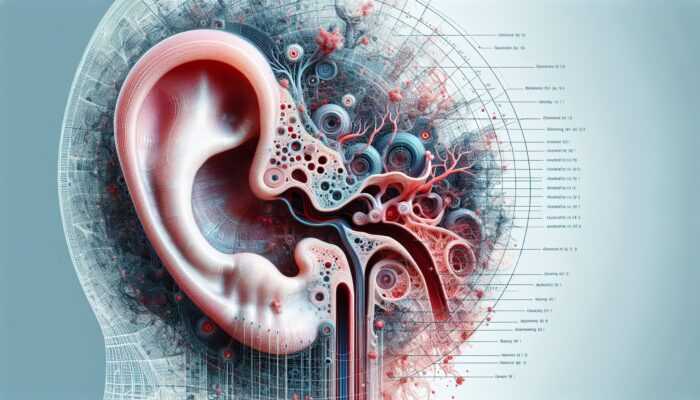
Categories
Health & Wellness Hearing Health

Stress and Hearing Problems: Exploring Their Connection

Exploring the Physiological Connections Between Stress and Hearing Health

Understanding the Impact of Stress Hormones on the Auditory System

Anatomical illustration of inner ear with disrupted blood flow due to high cortisol levels, showing stress impact on hearing.

The complex relationship between stress and hearing health is rooted in the physiological reactions our bodies undergo during stressful situations. At the heart of this connection are stress hormones, particularly cortisol, which plays a pivotal role in our response to stress. When faced with elevated stress levels, cortisol is released into the bloodstream, initiating a series of physiological changes, including alterations in blood flow. The inner ear, a critical component for hearing, relies on a consistent and adequate blood supply to function effectively. Interruptions in this vital blood flow can exacerbate existing auditory issues or even trigger new hearing challenges, underscoring the importance of understanding and managing stress for the preservation of auditory health.

Extensive research has identified a significant correlation between prolonged exposure to elevated cortisol levels and conditions such as sensorineural hearing loss. This particular form of hearing loss stems from complications within the inner ear or the auditory nerve and may be worsened by reduced blood supply and increased stress levels. Individuals residing in high-stress environments—such as bustling urban locales or demanding job settings—are particularly susceptible to experiencing auditory complications as a result of these hormonal fluctuations. This highlights the necessity of addressing stress in proactive measures aimed at safeguarding auditory health.

The auditory system is acutely sensitive to alterations caused by stress. For example, the cochlea, a vital part of the inner ear, is highly vulnerable to changes in blood flow, which can result in both transient and permanent damage when stress becomes chronic. The wider implications of these changes are considerable, impacting not just affected individuals but entire communities in high-stress regions like Tokyo, New York, or São Paulo. Gaining a comprehensive understanding of these dynamics is crucial for developing effective interventions aimed at enhancing hearing health within stressed populations.

The Effects of Muscle Tension on Auditory Well-Being

Physical manifestations of stress frequently present as muscle tension, which can have significant repercussions for hearing health. Chronic stress often results in prolonged tension in the muscles surrounding the ears and jaw, which may exacerbate existing hearing challenges. This muscle tension can lead to a range of symptoms, including discomfort, pain, and even tinnitus—a persistent ringing or buzzing sensation in the ears. Recognising these physical signs is vital for addressing the underlying causes of hearing issues effectively.

The established link between muscle tension and hearing impairment is well-supported by research; studies indicate that those with heightened muscle tension frequently report diminished hearing sensitivity. In vibrant urban settings such as Mumbai, where urban noise pollution adds to stress levels, the interplay of external noise and internal strain creates an environment conducive to hearing deterioration. It is essential for individuals to understand how stress-induced muscle tension affects their auditory health and to take proactive measures to alleviate these effects.

Moreover, the consequences of muscle strain on hearing extend beyond mere discomfort. Tension in the muscles can impede the functionality of the Eustachian tube, leading to pressure imbalances within the ear. Such imbalances can considerably impair hearing acuity, making it crucial for individuals to recognise and address signs of stress-related muscle tension in a timely manner. Increased awareness and intervention can enhance overall auditory well-being and prevent further complications from arising.

How Stress Heightens Noise Sensitivity

In a world inundated with sound, elevated stress levels can amplify sensitivity to auditory stimuli, intensifying pre-existing hearing issues. Individuals under considerable stress may find themselves easily overwhelmed by background noises, exacerbating conditions such as hyperacusis, characterised by an increased sensitivity to everyday sounds. This phenomenon highlights the necessity of understanding the psychological implications of stress on auditory perception.

Heightened sensitivity can be particularly problematic in densely populated regions, where ambient noise levels are consistently elevated. Cities like London or Hong Kong, renowned for their vibrant yet chaotic atmospheres, present unique challenges for stressed individuals. Instead of acclimatising to the sounds of their environment, those experiencing stress may respond more acutely, resulting in increased anxiety that complicates their existing hearing difficulties. Recognising this reaction is crucial in the development of effective coping strategies.

The interaction between stress and noise sensitivity can impede effective communication, prompting individuals to withdraw from social situations due to discomfort with auditory overload. This withdrawal can contribute to feelings of isolation, adversely impacting mental health. It is imperative to advocate for personal stress management strategies and broader societal initiatives aimed at mitigating environmental noise pollution, thereby supporting those grappling with hearing challenges.

The Interplay Between Sleep Disturbances and Auditory Function

A person in bed, awake, with abstract sound waves and disrupted sleep pattern, illustrating stress effects on hearing.

Quality sleep is pivotal for maintaining overall health, including optimal auditory function. However, stress frequently disrupts sleep patterns, leading to lasting consequences for hearing recovery and overall health. Sleep serves as a crucial period for bodily repair, including the restoration of the auditory system. When stress disrupts sleep, it undermines these restorative processes, potentially aggravating hearing issues over time.

Research has shown that individuals struggling with chronic stress often report markedly poorer sleep quality, which subsequently affects cognitive functions and auditory processing abilities. In a global context, the demands of modern living exacerbate these challenges, resulting in sleep-related hearing complications. For example, professionals in high-pressure roles in cities such as Sydney or Los Angeles may find their inability to achieve restorative sleep due to stress adversely impacts their ability to comprehend sounds and speech throughout the day.

Additionally, the relationship between sleep and hearing is bidirectional; poor hearing can also lead to sleep disturbances, creating a complex interrelationship that requires careful management. Therefore, implementing sufficient rest through effective stress management techniques is essential for preserving hearing health. Understanding this dynamic can motivate individuals to prioritise both sleep and stress reduction within their wellness strategies.

The Role of the Immune System in Ear Health During Stress

The immune system plays a crucial role in protecting ear health, and chronic stress can significantly weaken its effectiveness. When the body is under constant stress, it prioritises survival mechanisms, reallocating resources away from essential functions such as immune defence. As a result, this can increase susceptibility to ear infections, which are well-known to have detrimental effects on hearing.

Communities worldwide experiencing prolonged stress—whether due to socio-economic conditions, conflict, or environmental stressors—often report heightened rates of auditory issues linked to compromised immune responses. For instance, populations in war-torn regions or those facing economic struggles frequently contend with higher rates of infections that can lead to hearing loss. This highlights the need for holistic health approaches that encompass both stress management and immune support.

Furthermore, recognising the relationship between immunity and hearing health underscores the necessity for individuals to incorporate stress management into their overall wellness strategies. By strengthening the immune system through lifestyle changes and effective stress reduction techniques, individuals can better safeguard their auditory health from the adverse effects of infections and inflammation.

Diving into the Psychological Aspects of Hearing Health

How Anxiety Influences Perceived Hearing Loss

A person in a bustling city, covering ears, overwhelmed by anxiety and distorted sound waves representing heightened perception of hearing loss.

The psychological connection between anxiety and hearing health is profound, often leading to an exaggerated perception of hearing loss. Individuals grappling with anxiety may misinterpret their auditory experiences, feeling that their hearing abilities are more diminished than they actually are. This misperception can create a self-fulfilling prophecy, where anxiety amplifies the real hearing difficulties faced by the individual.

Globally, this phenomenon is prevalent across various cultures, where societal expectations and pressures can heighten anxiety levels. In fast-paced urban environments, the relentless pursuit of performance can lead individuals to become overly critical of their hearing capabilities, resulting in increased anxiety and stress. Addressing this perception of hearing loss is critical for enhancing overall health and well-being.

Cognitive Behavioural Therapy (CBT) has shown efficacy in assisting individuals to manage anxiety associated with their hearing health. By challenging negative thought patterns and reshaping their understanding of auditory health, individuals can alleviate anxiety and improve their quality of life. Integrating psychological support into hearing care is essential for fostering resilience and enhancing outcomes.

Additionally, fostering supportive networks within communities can help alleviate anxiety linked to hearing loss. Educational initiatives centred on hearing health can create an environment that encourages individuals to share their experiences and learn from one another, fostering a culture of understanding and support.

Cognitive Overload Resulting from Stress

Elevated stress levels can lead to cognitive overload, significantly hindering the brain’s capacity to process auditory information. When individuals are preoccupied with stressors, their ability to concentrate on sounds diminishes, making it increasingly difficult to engage in conversations or comprehend speech. This cognitive overload is particularly damaging in social contexts where auditory cues are crucial for interaction.

In regions characterized by high-stress environments, such as South Africa or Brazil, individuals may find their auditory processing capabilities compromised. The cacophony of daily life, coupled with cognitive overload, can create barriers to effective communication, resulting in frustration and feelings of isolation. Addressing these challenges is essential for improving auditory health in stressed communities.

Research indicates that stress can negatively impact working memory, a critical element for following conversations and interpreting complex auditory inputs. For many individuals, this decline in cognitive function leads to a retreat from social interactions, as they feel overwhelmed or incapable of participating in verbal exchanges. Effective stress management techniques, such as mindfulness and relaxation exercises, can help individuals regain cognitive clarity and improve auditory processing, ultimately enhancing their social experiences.

Emotional Distress and Its Effects on Hearing Aid Acceptance

Emotional distress can pose significant barriers to the effective use of hearing aids, complicating the challenges associated with hearing loss. Individuals experiencing stress or anxiety may hesitate to wear hearing aids, fearing stigma or unwanted attention regarding their hearing difficulties. This reluctance can create a detrimental cycle, where the absence of auditory amplification exacerbates feelings of isolation and frustration.

Globally, perceptions surrounding hearing aids vary considerably. In some cultures, wearing hearing aids carries a stigma that contributes to emotional distress for those who need them. This stigma can discourage individuals from seeking the assistance they require, further compromising their auditory health and overall well-being. Addressing these emotional dimensions is vital for improving hearing aid acceptance and outcomes.

Audiologists and hearing care professionals play an essential role in providing compassionate support and counselling to encourage acceptance of hearing aids. Community education initiatives can also help to normalise the use of hearing aids, fostering a more inclusive atmosphere for individuals facing hearing loss. Creating supportive environments where individuals feel comfortable discussing their hearing challenges can alleviate emotional distress and promote better utilisation of hearing aids.

How Depression Affects Auditory Processing

Depression can severely hinder auditory processing, complicating the ability to understand speech and sounds. Individuals dealing with depression often experience cognitive deficits that impede their ability to interpret auditory information effectively. This creates a frustrating feedback loop, where hearing difficulties lead to social withdrawal, further exacerbating depressive symptoms.

Research indicates that individuals in regions grappling with economic instability or social challenges, such as parts of Eastern Europe or South America, may experience higher rates of both depression and auditory processing issues. The intersection of these challenges highlights the urgent need for comprehensive approaches that address both mental health and hearing care.

Treatment methods that tackle auditory processing and emotional health concurrently are essential for effective care. Multi-disciplinary approaches involving audiologists, psychologists, and mental health professionals can provide holistic support that addresses the complex needs of individuals struggling with both hearing loss and mental health challenges. Additionally, community support systems can empower individuals to seek help by fostering a culture of understanding and empathy.

The Link Between Social Isolation and Hearing Decline

Social isolation is a significant factor that accelerates hearing decline, particularly among individuals experiencing stress. When people withdraw from social interactions due to hearing challenges, they miss out on essential auditory stimulation, which is vital for maintaining hearing capabilities. This isolation can lead to decreased cognitive engagement, further compounding hearing difficulties.

Globally, social isolation is a pressing concern, especially among older adults or communities facing socio-economic challenges. In rural areas of India or remote regions of Canada, individuals often struggle with limited access to auditory health resources and social support, resulting in accelerated hearing decline. Strategies to combat this trend are essential for enhancing social connections and auditory health.

Fostering social connections is crucial in mitigating the effects of isolation. Community programmes that encourage interaction among individuals with hearing loss can significantly improve overall well-being. Moreover, leveraging technology, such as video conferencing and social media, can create virtual platforms for connection, allowing individuals to engage despite physical barriers. Education plays a vital role in reducing isolation; awareness campaigns highlighting the importance of social interaction for hearing health can motivate individuals to seek help and engage with their peers.

Assessing Lifestyle Factors That Affect Hearing Health

The Detrimental Effects of Sleep Deprivation on Hearing

The negative consequences of sleep deprivation on hearing health are substantial. Chronic lack of sleep, often exacerbated by stress, can lead to significant auditory problems by impairing both auditory function and overall health. Sleep is a restorative process essential for cellular repair and maintaining cognitive functions, including auditory processing, making its quality fundamental to hearing health.

Research has indicated that individuals who experience chronic sleep deprivation frequently report increased hearing difficulties. Essential physiological processes that support auditory health, including brain functions critical for sound interpretation, are adversely affected by insufficient rest. This connection underscores the necessity of prioritising sleep as a vital component of hearing health.

Globally, lifestyle factors contributing to sleep deprivation vary widely. In bustling urban environments like Tokyo or New York, the demands of work and social life often lead individuals to sacrifice sleep, inadvertently harming their auditory health. In contrast, cultural practices that promote rest in other regions may enhance sleep hygiene and, consequently, lead to better hearing outcomes.

To counter the adverse effects of sleep deprivation on hearing, individuals should adopt strategies that promote restorative sleep. Establishing a relaxing bedtime routine, minimising screen time before sleep, and managing stress levels can all contribute to improved sleep quality. By prioritising sleep as part of a holistic approach to hearing health, individuals can yield significant benefits for their auditory function.

The Influence of Diet on Stress-Related Hearing Issues

A balanced diet is essential for overall health, including auditory function. Stress often drives individuals to make poor dietary choices, resulting in nutritional deficiencies that can adversely affect hearing health. Diets rich in processed foods and sugars can contribute to inflammation, which is detrimental to the auditory system and can exacerbate hearing problems.

Certain nutrients are particularly vital for maintaining auditory health. For example, omega-3 fatty acids play a crucial role in reducing inflammation and supporting cellular function within the auditory system. Additionally, antioxidants found in fruits and vegetables help combat oxidative stress, which can damage hearing structures. Acknowledging the importance of diet in auditory health is critical for addressing stress-related hearing issues.

Globally, dietary habits vary significantly, influencing hearing health in diverse ways. In Mediterranean regions, traditional diets rich in fish, nuts, and vegetables may lead to better hearing outcomes compared to the processed food-heavy diets prevalent in industrialised nations. Individuals seeking to enhance their auditory health should prioritise a balanced diet that incorporates essential nutrients to counter the negative effects of stress on dietary choices. Community initiatives promoting healthy eating can foster collective efforts to enhance overall health, including auditory function.

The Role of Exercise in Stress Management and Hearing Health

Regular exercise serves as a powerful tool for managing stress and simultaneously supporting hearing health. Engaging in physical activity has been shown to significantly reduce stress levels, enhance mood, and promote overall well-being. By alleviating stress, individuals can also diminish its negative effects on hearing, making exercise a crucial aspect of a healthy lifestyle.

The benefits of exercise extend beyond stress reduction. Physical activity enhances blood circulation, which is vital for delivering oxygen and nutrients to the inner ear. This improved circulation can promote auditory health and help combat the physical manifestations of stress on hearing. Emphasising the importance of regular exercise is essential for maintaining optimal hearing function.

Globally, exercise practices vary widely, from yoga in India to jogging in urban parks across Europe. Regardless of the form, incorporating regular physical activity into one’s routine can yield significant benefits for both mental and auditory health. Communities that encourage active lifestyles and provide accessible exercise facilities can foster healthier populations and contribute to improved hearing health outcomes.

Individuals should aim to engage in at least 150 minutes of moderate exercise each week. Whether through group classes, outdoor activities, or solo workouts, finding enjoyable ways to stay active can significantly impact stress management and hearing health. By prioritising physical activity, individuals can create a positive feedback loop that supports their overall well-being, including auditory function.

Examining Social and Environmental Factors

The Consequences of Social Isolation Due to Stress

Social isolation, often intensified by stress, presents significant risks to hearing health. Individuals experiencing elevated stress levels may withdraw from social engagements, leading to a lack of auditory stimulation that is crucial for maintaining hearing capabilities. This isolation can exacerbate feelings of loneliness, creating a detrimental cycle that impacts both mental health and auditory function.

Globally, the ramifications of social isolation can be particularly pronounced in specific communities. In many developing countries, individuals may lack access to hearing health resources, further isolating them when they encounter hearing difficulties. The absence of social connections can accelerate auditory decline, as diminished interactions limit opportunities for cognitive engagement and auditory processing. Tackling this issue requires community-focused strategies that promote social interaction and connectivity.

Initiatives that connect individuals experiencing hearing loss with social networks can significantly improve their overall well-being. Leveraging technology to facilitate communication can also bridge gaps for those unable to engage in person. Awareness campaigns underscoring the importance of social interaction for hearing health can foster more supportive environments, encouraging inclusive practices that reduce the stigma surrounding hearing loss.

Environmental Noise Pollution and Its Stress-Inducing Effects

Environmental noise pollution can significantly heighten stress levels and adversely affect hearing health. Individuals residing in noisy areas may experience increased sensitivity to sounds, leading to heightened stress and auditory discomfort. Understanding this relationship is vital for addressing hearing health effectively and mitigating the impacts of environmental factors.

Globally, urban centres are often marked by elevated noise levels from traffic, construction, and social activities. In cities like Mumbai or New York, the constant influx of sound can create an overwhelming atmosphere, contributing to increased anxiety and stress. These conditions not only negatively impact mental health but can also lead to auditory decline over time, making it essential to consider strategies for noise reduction.

Individuals can implement sound management strategies to counteract the adverse effects of environmental noise. Utilising noise-cancelling headphones, creating quiet personal spaces, and advocating for policies aimed at noise reduction can help mitigate stress. Community initiatives focused on reducing environmental noise can also promote healthier auditory environments, fostering well-being for residents.

Moreover, raising awareness about the impact of noise pollution on both mental and auditory health is vital. By educating communities about the importance of quieter environments, individuals can become advocates for supportive spaces that promote overall health and well-being.

Workplace Stress and Hearing Protection

High levels of workplace stress can lead to negligence regarding hearing protection, increasing the risk of auditory damage. In industries such as construction, manufacturing, and entertainment, exposure to high decibel levels can severely impact hearing health. When stress levels rise, individuals may overlook essential safety protocols, resulting in long-term consequences for their auditory function.

Globally, workplace cultures vary, influencing the emphasis placed on hearing safety. In some regions, robust regulations and practices exist to safeguard workers from noise-induced hearing loss. Conversely, areas with limited resources or enforcement, such as parts of Southeast Asia, may expose workers to significant risks without adequate protection. Employers must prioritise stress management alongside occupational health to cultivate a culture of hearing safety.

Implementing regular training on hearing conservation, providing access to hearing protection, and fostering a supportive workplace environment can significantly reduce risks. Employees should also be encouraged to communicate their needs regarding hearing protection and stress management. By creating open channels for dialogue, companies can foster a culture of safety and well-being that ultimately contributes to better auditory health outcomes.

Investigating Medical and Therapeutic Solutions

Effective Techniques for Stress Management to Enhance Hearing Health

Implementing effective stress management techniques can substantially benefit hearing health. Strategies such as mindfulness, meditation, and deep breathing exercises are instrumental in helping individuals manage stress, potentially enhancing their auditory well-being. These practices can lower cortisol levels and promote relaxation, thereby improving overall health and supporting hearing function.

Globally, various cultures have developed unique methods for managing stress. For instance, in Japan, the practice of Shinrin-yoku, or forest bathing, emphasises the therapeutic benefits of nature, showcasing a powerful approach for reducing stress levels and improving both mental health and auditory function. Incorporating these practices into daily routines can yield profound benefits for hearing health.

Individuals should explore a variety of stress management techniques to discover what resonates most with them, whether it be yoga, tai chi, or mindfulness meditation. Community programmes offering workshops on stress reduction can provide resources and support for individuals seeking to enhance their well-being. By prioritising stress management in everyday life, individuals can significantly improve their auditory health outcomes.

Medical Interventions for Stress Management

While medical interventions for stress, including medications, can provide relief, they may also carry side effects that impact hearing health. Certain prescription drugs, particularly those that affect neurotransmitters, can have auditory consequences. It is crucial for individuals to engage in discussions with their healthcare providers about potential side effects and their implications for hearing.

Globally, access to mental health resources varies significantly, affecting individuals’ options for effectively managing stress. In countries with robust healthcare systems, individuals may have access to various therapies and medications. However, in regions with limited resources, such as parts of Africa or Central America, individuals may face challenges in obtaining effective treatment for stress-related issues.

When considering medical interventions, individuals should carefully weigh the benefits against potential risks. Seeking guidance from healthcare professionals and audiologists can empower individuals to make informed decisions regarding stress management options that prioritise both mental health and auditory function. Additionally, educating individuals about the possible impact of medications on hearing can help them advocate for their health effectively.

The Crucial Role of Audiologists in Promoting Hearing Health

Audiologists are essential in addressing hearing challenges exacerbated by stress. These professionals offer expert guidance on auditory health, assisting individuals in navigating the complexities of hearing loss and its psychological components. By addressing both auditory and emotional aspects, audiologists can provide comprehensive care that enhances overall well-being.

Globally, access to audiological services varies, yet the need for support is universal. In developed countries, audiologists often collaborate with mental health professionals to provide holistic care, while individuals in underserved regions may lack access to such valuable resources, highlighting the need for increased awareness and support for hearing health initiatives.

Audiologists also provide customised solutions for managing hearing loss linked to stress. This can include counselling on hearing aid usage, strategies for coping with auditory overload, and recommendations for stress management techniques tailored to individual needs. Community outreach initiatives can improve access to audiological services, empowering individuals to take charge of their auditory health and well-being.

The Advantages of Cognitive Behavioural Therapy for Hearing Health

Cognitive Behavioural Therapy (CBT) has gained recognition as an effective strategy for managing stress and anxiety, which may indirectly support hearing health. CBT focuses on altering negative thought patterns and promoting healthier coping mechanisms, assisting individuals in combating the emotional toll associated with hearing loss. This therapeutic approach can equip individuals with valuable tools for enhancing their mental well-being and auditory function.

Globally, the implementation of CBT varies, with accessibility influenced by cultural attitudes toward mental health. In some regions, such as Northern Europe, CBT is widely accessible and integrated into healthcare systems. Conversely, in areas where mental health remains stigmatised, individuals may struggle to obtain these essential resources. Promoting a culture of acceptance and understanding is vital for enhancing access to therapeutic interventions.

For individuals experiencing stress and anxiety related to hearing loss, CBT can provide invaluable tools for reframing their perceptions and building resilience. Additionally, community programmes that offer CBT workshops can empower individuals to engage proactively with their mental health, promoting positive outcomes for both hearing and emotional well-being.

Nutritional Strategies to Support Stress Relief

A balanced diet rich in specific nutrients can significantly aid in reducing stress and enhancing overall well-being, including auditory function. Nutritional choices are crucial for managing stress, as certain foods can influence cortisol levels and promote relaxation. Understanding the dietary factors that contribute to stress management is essential for maintaining auditory health.

Globally, dietary patterns vary widely, affecting individuals’ abilities to manage stress effectively. In cultures prioritising fresh produce, whole grains, and healthy fats, individuals may experience lower stress levels and improved auditory health. In contrast, regions dominated by processed foods may see higher stress levels and associated health challenges. Promoting holistic approaches to nutrition can foster overall health and well-being.

Individuals aiming to enhance their stress management through nutrition should focus on incorporating foods rich in omega-3 fatty acids, antioxidants, and other essential nutrients. Building a diverse, nutrient-rich diet can not only support mental health but also contribute to improved auditory function. Community initiatives that promote healthy eating and nutritional education can play a crucial role in fostering overall health and enhancing auditory outcomes.

Understanding the Cyclical Relationship Between Stress and Hearing Loss

How Stress Intensifies Hearing Loss

The interplay between stress and hearing loss creates a vicious cycle where each factor exacerbates the other. Stress can directly worsen hearing loss by affecting physiological processes that support auditory health, while hearing loss can elevate stress levels, further deteriorating overall well-being. This cycle is especially pronounced in high-stress environments, where individuals may become increasingly vulnerable to auditory issues.

Research suggests that those experiencing chronic stress often report heightened noise sensitivity, which can lead to increased discomfort and frustration in social situations. As stress levels escalate, the brain’s capacity to process auditory information declines, resulting in a setting where hearing difficulties worsen. Understanding this dynamic is crucial for developing effective interventions that concurrently address both stress and auditory health.

Globally, the ramifications of this cycle are significant. In densely populated urban areas, where stress levels tend to be high, individuals may find themselves trapped in a feedback loop of stress and hearing decline. To break this cycle, individuals must prioritise stress management techniques alongside comprehensive hearing care. By fostering resilience and accessing resources such as counselling and audiological support, individuals can disrupt the negative feedback loop and enhance their overall health.

The Influence of Hearing Loss on Stress Levels

Conversely, hearing loss can significantly heighten stress levels, creating a challenging dynamic that compounds the difficulties individuals face. The inability to communicate effectively can result in feelings of frustration, isolation, and anxiety, further exacerbating the effects of stress on overall health. This relationship underscores the necessity of addressing both hearing health and stress management simultaneously.

Globally, the stigma surrounding hearing loss can also contribute to increased stress. Individuals may feel embarrassed or self-conscious about their auditory difficulties, leading to social withdrawal and elevated anxiety levels. In cultures where communication is highly valued, the effects of hearing loss can be particularly pronounced, emphasising the need for supportive environments and open discussions surrounding auditory health.

Addressing this aspect of the cycle requires a multi-faceted approach. Encouraging open dialogues about hearing loss and fostering supportive environments can help individuals feel less isolated. Community initiatives aimed at raising awareness about auditory health and reducing stigma can cultivate greater acceptance and understanding. Providing access to resources such as hearing aids and audiological support can empower individuals to manage their hearing loss effectively, breaking free from the cycle of stress and auditory decline.

Strategies for Interrupting the Cycle

Breaking the cycle of stress and hearing loss necessitates a comprehensive approach that addresses both factors concurrently. Individuals must recognise the interplay between stress management and auditory health, seeking resources and support that facilitate positive outcomes. Strategies for interrupting this cycle include implementing stress management techniques, engaging in regular physical activity, and fostering social connections.

Globally, communities can play a pivotal role in providing education and resources to support individuals facing stress and hearing challenges. Initiatives promoting awareness and understanding can empower individuals to seek help and embrace solutions that improve both their mental health and auditory function. Healthcare professionals must adopt a holistic approach to care, acknowledging the interconnectedness of these factors to offer comprehensive support that enhances overall well-being.

The Value of Professional Assistance

Seeking professional help from audiologists and therapists can deliver tailored solutions for effectively managing both stress and hearing loss. These professionals are equipped to address the complexities of auditory health and the psychological aspects associated with stress. Their expertise can facilitate comprehensive care that promotes better outcomes for individuals.

Globally, access to audiological and mental health services varies significantly. In some regions, individuals may have robust access to multidisciplinary care, while others face barriers that hinder their ability to receive essential support. Advocating for comprehensive services is vital to ensure individuals can access the necessary resources to improve their auditory health and overall well-being.

Audiologists can offer strategies for coping with hearing loss, while therapists provide tools for managing stress and anxiety. This collaborative approach allows individuals to effectively tackle both aspects of their health, fostering a comprehensive understanding of their unique challenges. Community initiatives that connect individuals with hearing health resources can enhance access to support and empower individuals to seek help for their auditory health needs.

Implementing Preventive Measures and Early Interventions

Effective Strategies for Stress Reduction to Protect Hearing Health

Implementing effective stress reduction strategies is crucial for preventing the deterioration of hearing problems. Individuals must prioritise self-care practices that promote relaxation and resilience against stress. Techniques such as mindfulness, yoga, and deep breathing exercises can all contribute to lowering stress levels while simultaneously supporting auditory health.

Globally, the adoption of stress reduction practices varies. Cultures that emphasise wellness and holistic health approaches often have more resources available, while others may struggle to integrate these practices into daily life. Highlighting the importance of stress management across diverse communities can foster a more widespread understanding of its impact on hearing health.

Individuals should explore various stress reduction techniques to find what resonates with them personally. By incorporating these practices into daily routines and prioritising self-care, individuals can elevate their overall well-being, reducing the risk of compromising their auditory health. Community initiatives that promote wellness and stress management can create supportive environments that empower individuals to take charge of their health proactively.

The Significance of Routine Hearing Check-Ups

Regular hearing check-ups are vital for early intervention and preventing hearing issues exacerbated by stress. Individuals should prioritise routine audiological evaluations to monitor their hearing health and address any concerns before they escalate into more significant problems. Proactive measures are essential for maintaining auditory health and overall well-being.

Globally, access to audiological services varies, impacting individuals’ ability to seek routine check-ups. In regions with limited healthcare resources, individuals may overlook the importance of hearing assessments. Advocating for increased access to audiological care is crucial for promoting auditory health across diverse communities, ensuring that everyone has the opportunity to maintain their hearing health effectively.

By prioritising regular check-ups, individuals can stay informed about their auditory health and receive personalised recommendations for managing stress-related issues. Audiologists can provide valuable insights on coping strategies and support, helping individuals navigate the complexities of hearing health in the context of stress. Community outreach programmes that promote awareness of the importance of hearing health can foster a culture of proactive care, motivating individuals to prioritise their auditory well-being.

Common Questions Regarding Stress and Hearing Health

What impact does stress have on hearing health?

Stress can adversely affect hearing health by inducing hormonal changes, causing muscle tension, and increasing noise sensitivity, all of which can lead to a decline in auditory function.

Can anxiety worsen the perception of hearing loss?

Yes, anxiety can amplify the perception of hearing loss, leading individuals to believe their condition is worse than it is, often resulting in increased stress and social isolation.

What role does sleep play in preserving auditory health?

Quality sleep is essential for auditory health, as sleep disturbances caused by stress can impair the body’s ability to recover and maintain hearing function over time.

How can diet affect auditory health?

A balanced diet rich in vital nutrients supports auditory function and can help mitigate the effects of stress on hearing health by preventing nutritional deficiencies that may impact hearing.

Which stress management techniques are most effective in supporting hearing health?

Techniques such as mindfulness, meditation, and regular physical activity can effectively manage stress levels and support overall auditory well-being, enhancing hearing health.

How does social isolation influence hearing loss?

Social isolation can accelerate hearing decline by reducing auditory stimulation and opportunities for communication, which can adversely impact both mental health and auditory function.

Why are regular hearing check-ups important?

Regular hearing check-ups are crucial for monitoring auditory health, addressing issues early on, and receiving tailored recommendations for effectively managing stress and its effects on hearing.

What is the relationship between stress and cognitive overload?

High stress levels can lead to cognitive overload, impairing the brain’s ability to process auditory information and increasing difficulties in communication and understanding.

How can audiologists assist with stress-related hearing issues?

Audiologists provide expert guidance on managing hearing loss exacerbated by stress, offering resources, strategies, and support for improved auditory health outcomes.

Can community initiatives contribute to supporting hearing health?

Yes, community initiatives that promote awareness, resources, and support can create environments that enhance auditory health and reduce stigma associated with hearing loss.

Explore our world on X!

The post Stress and Hearing Problems: A Universal Insight into Their Link appeared first on The Microsuction Ear Wax Removal Network.

The post Stress and Hearing Problems: A Universal Insight into Their Link appeared first on Healthcare Marketing Service.